
The Role of the Transverse Abdominis in Core Stability
The transverse abdominis (TVA) is a deep core muscle that plays a vital role in providing stability to the pelvis and spine during various physical activities. Its primary function is to stabilize the trunk and protect the internal organs, making it an essential component of overall core stability. When the TVA engages properly, it forms a natural corset around the abdomen, creating increased pressure within the abdominal cavity. This pressure aids in maintaining posture and stability, especially during dynamic movements like running or lifting. A well-functioning TVA is crucial for athletes, as it helps prevent injuries and improves performance. Additionally, core stability isn’t limited to athletes—it’s beneficial for everyone, including those with sedentary lifestyles. Engaging the TVA can enhance everyday movements, making daily activities safer and more efficient. The TVA also works in conjunction with other core muscles, such as the rectus abdominis and obliques, contributing to balanced core strength. Above all, understanding the role of TVA is key for individuals aiming to enhance their physical performance and overall functional fitness.
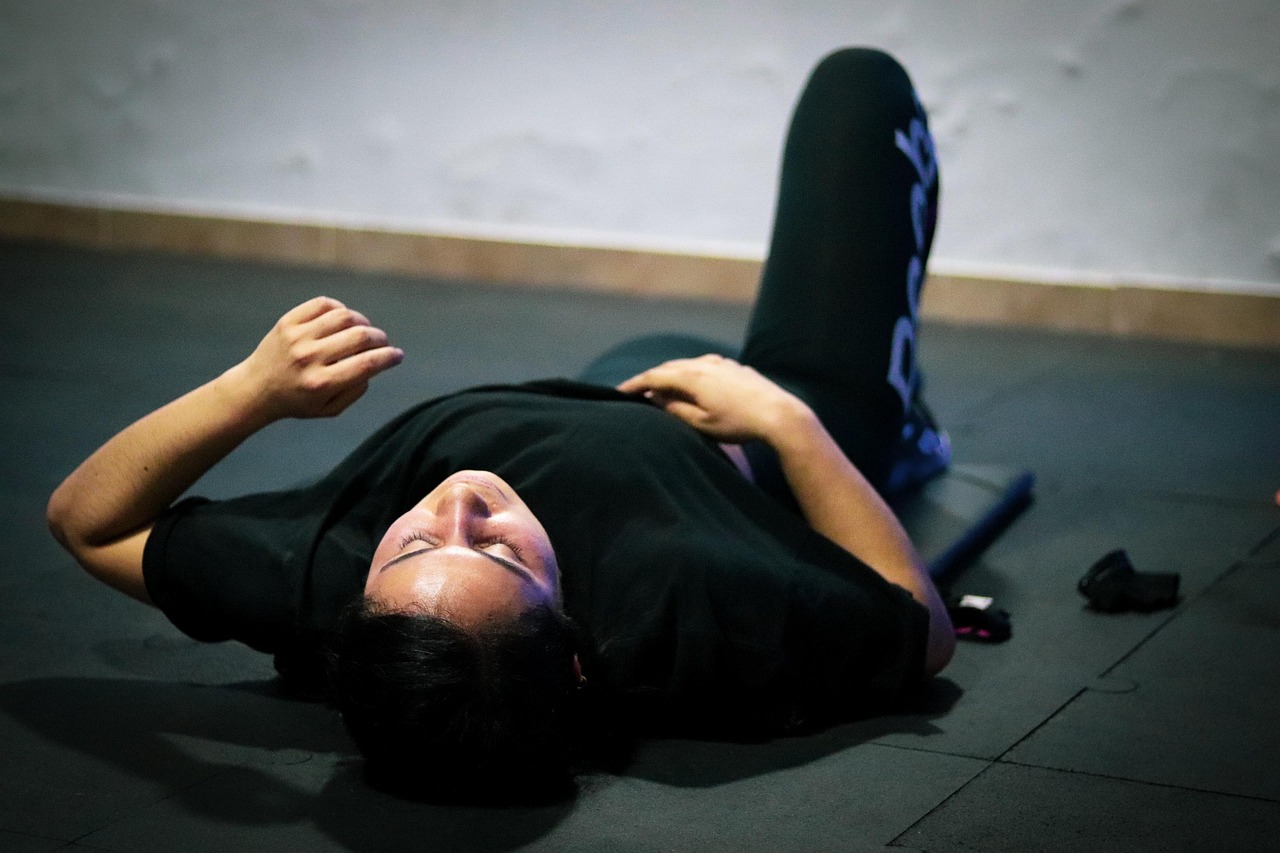
This core muscle plays a more significant role in overall stability than many may realize. When functioning effectively, the transverse abdominis contributes to balance and functional movement. A well-developed TVA can produce a powerful ‘bracing’ effect, which refers to the tightening of abdominal muscles that occurs in response to tension felt during various activities. Training the TVA improves coordination between the core and extremities, providing a strong foundation for athletic endeavors. Strengthening this muscle can also alleviate pressure on the spine during weightlifting by providing additional support. Furthermore, a strong TVA can improve the efficiency of everyday movements such as lifting, bending, and twisting. To engage this muscle effectively, individuals should focus on proper breathing techniques and core activation. Pilates and specific core-strengthening exercises are excellent methods to target the TVA. One such exercise involves lying on your back with knees bent and focusing on drawing the belly button towards your spine. It’s essential to integrate TVA exercises into regular workouts for maximum benefits. As individuals advance, incorporating dynamic movements that require TVA engagement will challenge and further develop the core’s stability.
Benefits of a Strong Transverse Abdominis
The advantages of strengthening the transverse abdominis extend beyond aesthetic improvements. An adequately trained TVA enhances overall core stability, which is fundamental for athletic performance. When engaging in sports, a stable core enables athletes to generate more power and maintain better control during movements. It allows for optimal trunk rotation and coordination, both vital for activities like golf, tennis, or swimming. Additionally, a strong TVA minimizes the risk of injury by protecting the spine from excessive forces during physical exertion. This is essential for athletes who often subject their bodies to intense training and competition. Beyond sports, improved core stability directly translates to better posture and balance in daily living. As people age, muscle strength tends to decline leading to instability that can result in falls or injuries. Strengthening the TVA can counteract these effects, providing a robust foundation for movement. Moreover, exercises targeting the TVA can aid in rehabilitation, particularly for individuals recovering from lower back injuries. A focus on core stability through the TVA can significantly enhance quality of life by promoting strength, balance, and functional movement efficiency.
One of the most effective ways to train the transverse abdominis is by incorporating targeted exercises into one’s fitness routine. Planks are highly effective for engaging the TVA and can be modified for various fitness levels. The basic plank position involves holding a neutral spine while balancing on forearms and toes. Maintaining this position activates the TVA and builds endurance. Additionally, incorporating side planks further challenges the core by engaging the lateral muscles while still targeting the TVA. Another excellent exercise is the dead bug, performed by lying flat on the back and performing coordinated arm and leg movements. This exercise emphasizes the importance of maintaining core engagement, directly involving the TVA. Furthermore, Pilates emphasizes core stability and strengthening, making it a fantastic training method to develop the TVA. Specific Pilates exercises such as the hundred and leg circles engage and strengthen the TVA effectively. As individuals progress in their core training, they should incorporate more dynamic and functional movements that require the TVA to stabilize the pelvis and spine, such as squat variations and overhead lifting. This progressive approach ensures a well-rounded and functional training regimen.
Assessment of Transverse Abdominis Function
Assessing the strength and function of the transverse abdominis is crucial for individuals seeking to improve their core stability. A simple yet effective method to evaluate TVA activation is through the use of ultrasound imaging or palpation. During an assessment, a qualified professional can observe the contraction of the TVA during specific movements. Alternatively, individuals can self-assess by lying on their back with knees bent and attempting to gently draw in their lower abdomen without holding their breath. If they can feel the contraction under their fingertips, this indicates that the TVA is engaging properly. Additionally, practitioners may use physical tests such as the abdominal drawing-in maneuver, where individuals are instructed to pull their belly button towards the spine during various positional holds. Incorporating these assessments into a regular fitness routine allows individuals to monitor their progress and ensure that they’re effectively targeting the TVA during exercises. Ideally, individuals should aim to integrate specific TVA assessment techniques into their routine, enabling them to gauge strength improvements and adjust training regimens accordingly.
For long-term core stability improvements, it is crucial to focus on developing the transverse abdominis alongside other core muscles. Integration is key; therefore, exercises should also engage the rectus abdominis, obliques, and multifidus. These muscles work in synergy to provide comprehensive core support, with the TVA serving as a foundation underlying the more visible abdominal muscles. Mixing up workouts with a variety of core training exercises promotes balance and prevents overuse injuries in targeted muscle groups. A well-rounded program can include pilates, yoga, resistance training, and stability exercises like balance boards and medicine balls. Moreover, consistency is paramount. It may take several weeks or months of regular training to improve TVA strength noticeably. Listening to one’s body and practicing patience are vital for success. Engaging in core exercises two to three times a week can yield significant strength gains. Finally, individuals should consult fitness professionals when necessary, to ensure they are exercising safely and effectively. Let’s not overlook the importance of alignment and posture during exercises to guarantee that the TVA remains active and engaged throughout the workout.
Conclusion on TVA and Core Stability
In conclusion, the role of the transverse abdominis in core stability is integral for anyone seeking optimal performance. By providing a stable base, the TVA allows for improved strength, power, and balance during physical activities. Through proper training and assessment, individuals can enhance their TVA function, leading to better overall core stability. The incorporation of targeted exercises, along with an understanding of the TVA’s contribution to core stability, matters greatly. Moreover, recognizing that a strong core foundation translates into injury prevention and improved athletic performance is vital for athletes and fitness enthusiasts alike. Specific exercises aimed at the TVA, coupled with a comprehensive training program that encourages the engagement of other core muscles, create a stronger, more functional core. Regularly assessing TVA activation and strength is crucial to measure progress. Consistent practice and commitment to core training can lead to lasting results in strength and stability. Therefore, whether you are an athlete or someone looking to enhance daily activities, making the transverse abdominis a focal point of your core training is an excellent investment towards your fitness journey.
By understanding the importance of the transverse abdominis in core stability, individuals can develop a more effective workout routine that combines strength training, stability exercises, and overall core engagement. The TVA’s support underscores the significance of a stable and functional core for all populations, making it essential to focus on this crucial muscle to improve both athletic performance and everyday life. As people continue to explore various fitness activities, investing time into TVA strengthening will undoubtedly yield positive changes in overall well-being.