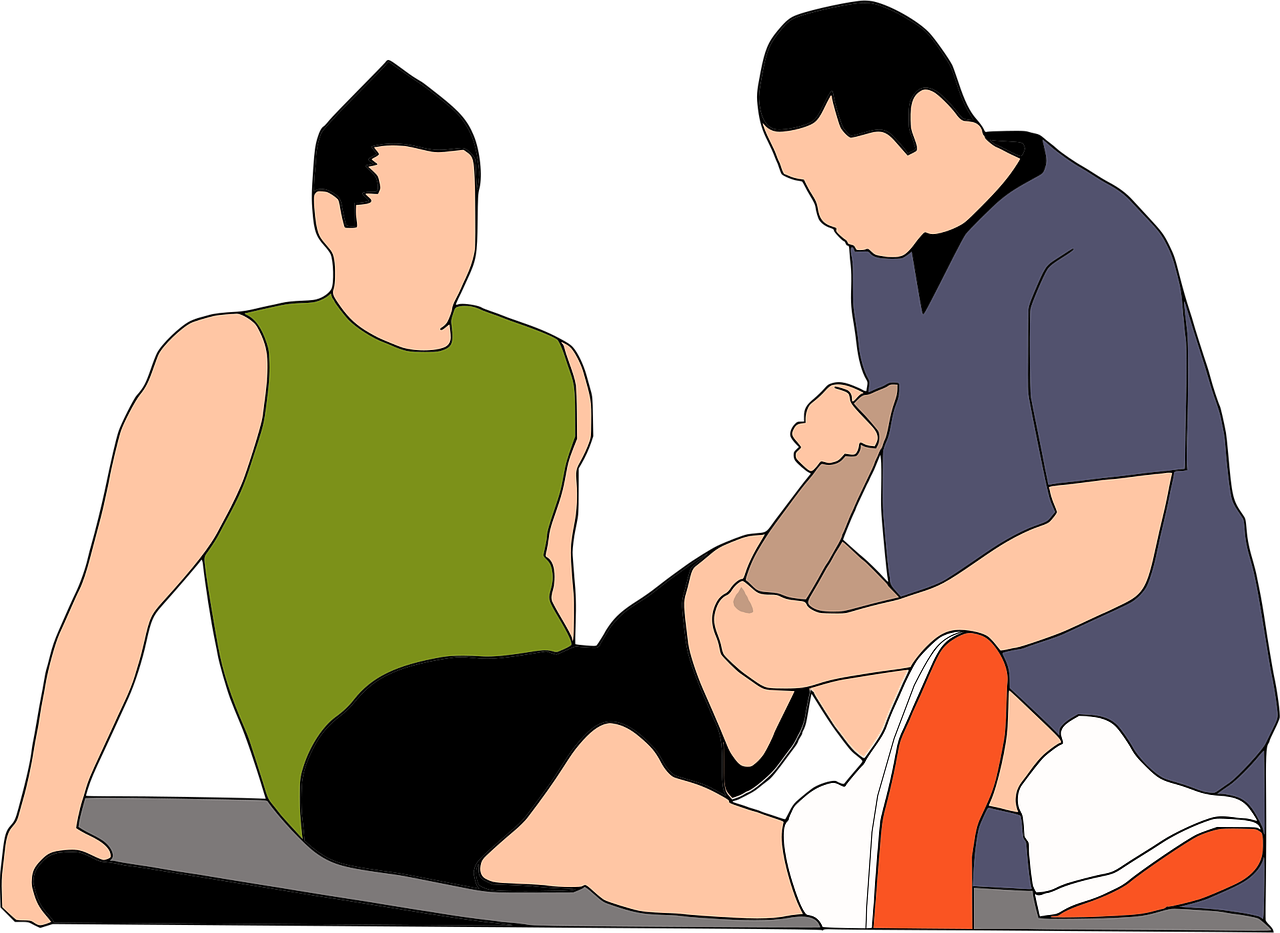

The Importance of Active Recovery for Cardiovascular Athletes
Active recovery is a crucial aspect of any athlete’s training regime, particularly for cardiovascular athletes engaged in high-endurance sports. By incorporating active recovery into their routines, these athletes can enhance their performance and prolong their athletic careers. Active recovery refers to low-intensity activities that are performed following intensive training sessions, allowing the body to heal more effectively. Activities such as gentle cycling, walking, and light jogging promote blood circulation that can speed up recovery. Enhanced circulation helps clear lactic acid and other waste products from muscles, thus decreasing the risk of soreness and injuries. Additionally, practicing active recovery stimulates the production of muscle-building proteins, promoting better muscle repair. This process can improve overall cardiovascular function, leading to better workout efficiency. Athletes often create personalized active recovery routines based on their specific needs. Incorporating flexibility and mobility exercises, along with focused breathing techniques, can create a more holistic recovery experience. When balanced correctly, active recovery sessions can positively influence mental health by reducing stress and anxiety levels. The more attention athletes pay to active recovery, the more effective their training will become.
The key to optimizing the benefits of active recovery lies in understanding when and how to implement it. Active recovery should ideally follow intense training sessions or competitions, providing a buffer against fatigue and muscle stiffness. Athletes need to differentiate between high-intensity workouts and recovery days effectively. For example, a marathon runner could integrate a light 30-minute jog the day after a long run. Other beneficial activities for recovery can include yoga, swimming, or low-resistance strength training focusing on proper form. It’s essential that the intensity of active recovery remains low to allow for gradual muscle recovery without overexerting the body. Hydration is another vital component to consider during active recovery, as it helps replenish lost fluids and nutrients. Athletes must also remember that nutrition plays a significant role in recovery, emphasizing foods rich in protein and healthy fats after workouts. Meal timing can create an efficient window for muscle repair. Monitoring how one’s body feels during recovery sessions provides valuable insights into what works best for each individual. Thus, by customizing their approach, athletes can better support their recovery process through active recovery.
Benefits of Active Recovery for Cardiovascular Health
Another primary benefit of active recovery for cardiovascular athletes is improved cardiovascular health. Engaging in light, flowing activities encourages the heart to maintain a steady rhythm without overexerting itself while still enhancing its efficiency. The rhythmic movement during active recovery promotes continued blood flow, allowing the heart to pump blood more efficiently throughout the body. This can lead to decreased resting heart rates and improved heart muscle strength. Moreover, activities like brisk walking or light cycling contribute to endurance and stamina—critical components for cardiovascular athletes. In the long term, consistent implementation of active recovery can lead to reduced risks of cardiovascular diseases, helping athletes maintain their performance and health as they age. Building a strong cardiovascular foundation through various low-impact activities also supports respiratory health, increasing lung capacity over time. Therefore, adopting a balanced active recovery strategy becomes integral to an athlete’s long-term success and overall well-being. Incorporating intentional recovery routines into daily schedules ultimately produces more significant gains in training results and performance levels, further solidifying the importance of prioritizing active recovery practices.
Proper planning of active recovery sessions not only aids physical recovery but also contributes positively to mental health. Strenuous training can sometimes lead to mental fatigue, burnout, or a lack of motivation. Balancing intense workouts with active recovery activities allows athletes to enjoy their sport without overwhelming themselves. These lower-intensity sessions can serve as mental downtime—allowing athletes to reflect on their training, set new goals, and maintain focus. Many athletes often find that engaging in social recovery programs—activities done with fellow athletes—can deepen friendships and provide support networks, crucial elements for consistent athletic performance. Furthermore, especially in competitive environments, athletes may face pressures that can weigh heavily on their mental health. Active recovery combats this by presenting a less intense and more enjoyable side of training, rekindling enthusiasm for their sport. Including fun activities, such as dancing or stretching classes, enhances their enjoyment levels. Positive feelings associated with satisfying recovery sessions ultimately boost athletes’ overall enthusiasm for their training schedules. By sharpening focus and mental resilience, active recovery creates athletes who are better prepared for intense competition and training sessions ahead.
How to Incorporate Active Recovery
Incorporating active recovery into a training regimen requires strategic planning. First, athletes must assess their individual fitness levels and select appropriate recovery activities that correspond to their specific needs and preferences. Creating a schedule outlining a balance between intense workouts and recovery sessions can significantly enhance performance outcomes. For example, athletes are encouraged to designate days for active recovery sessions post-high-intensity workouts or competitions. Low-impact activities, such as cycling, swimming, or yoga, should be factored into the recovery days to provide variety and enjoyment. Planning should also consider the overall training cycle, aligning recovery periods with harder training phases to optimize recovery efficiently. Incorporating group activities, such as hiking or recreational sports, also fosters community engagement while aiding recovery. Duration is also important; sessions can range from 20 minutes to an hour, depending on the athlete’s condition. Additionally, keeping sessions enjoyable and light can make the recovery experience more beneficial. Finally, regular reassessment of recovery strategies will help determine which activities yield the best results as training progresses.
As important as it is to focus on active recovery, recognizing the signs of fatigue or overtraining is vital for cardiovascular athletes. Athletes must remain aware of their bodies and prioritize recovery as an essential component of their training. Symptoms such as persistent fatigue, irritability, muscle soreness, or staleness indicate it might be time to adjust recovery practices. Athletes should safeguard their mental well-being by incorporating more rest days if needed, allowing time for their bodies to recuperate. Periodization of training approaches can provide insight into proper recovery pacing while maintaining performance levels. Key physiological indicators such as heart rate variability can also guide athletes in determining when to scale back their intensity or focus on active recovery. Developing a flexible training schedule that accommodates adjustments based on physical and mental health can significantly enhance athletic longevity. In any case, don’t hesitate to consult with coaches or professionals to tailor recovery protocols to specific needs. The goal is to maintain motivation and performance without compromising health. Balancing hard work with proper recovery intervals ensures long-term athletic success.
Enhancing the Recovery Experience
Enhancing the recovery experience through environment and mindset can contribute significantly to athletic performance. Creating a set routine for active recovery can help establish positive conditioning related to recovery activities. Utilizing calming environments, whether it’s a peaceful park or serene yoga studio, encourages relaxation both mentally and physically. In addition, mindfulness practices during active recovery can help foster deeper connections between the mind and body, allowing athletes to shift focus away from stresses encountered in intense workouts. Furthermore, positive affirmations and visualization techniques can help improve an athlete’s mindset during recovery. Implementing this holistic approach promotes a productive recovery session where athletes can gently focus on their goals and aspirations. Additionally, incorporating technological advancements such as recovery trackers or apps can support the optimization of recovery practices. These tools can monitor heart rates, stress levels, and activity patterns, which can help create individualized recovery plans. Overall, enhancing recovery experiences should promote a more profound appreciation for how active recovery complements primary training efforts. In doing so, athletes can foster stronger, lasting relationships with their recovery processes.
In conclusion, the importance of active recovery for cardiovascular athletes cannot be overstated. It serves as a critical factor in performance enhancement, helping athletes to achieve their fullest potential. By incorporating structured active recovery strategies, athletes can experience numerous physical benefits, including improved cardiovascular health, increased endurance, and enhanced mental well-being. Recognizing the significance of thoughtful recovery practices equips athletes with the knowledge needed to develop sustainable routines that optimize their training regimens. Emphasizing flexibility, hydration, and proper nutrition during recovery days contributes positively to an athlete’s overall health and longevity within their sport. Additionally, building strong social connections through community recovery can strengthen relationships and create a supportive network for all athletes involved. The commitment to balancing hard work with rest is what ultimately drives success in competitive environments and keeps passion for the sport alive. Together, these elements create a comprehensive approach to health among cardiovascular athletes. By prioritizing and understanding the need for active recovery, athletes can remain energetic and passionate about their performances while promoting longevity in their athletic careers.