
The Benefits of Journaling for Mental Clarity and Emotional Wellness
Journaling serves as a powerful tool to enhance mental clarity and promote emotional wellness. Engaging in this practice fosters self-reflection, allowing individuals to explore their thoughts and feelings deeply. By taking time each day to pen down experiences and emotions, individuals can identify recurring patterns or triggers associated with stress and anxiety. Over time, this habitual exploration facilitates greater self-awareness, enabling a deeper understanding of both oneself and one’s responses to life’s complexities. Furthermore, writing acts as a medium to release pent-up emotions, thereby providing a sense of relief and catharsis. The act of writing cultivates mindfulness, encourages individuals to be present within their emotions, and process them more effectively. In addition, journaling supports cognitive restructuring by allowing individuals to challenge negative thoughts and develop healthier perspectives. Through consistent practice, journaling can transform into a personalized roadmap for emotional and mental growth, guiding individuals in cultivating resilience against life’s inevitable challenges.
Moreover, journaling enhances emotional regulation. By articulating feelings on paper, individuals can dissect and reframe negative emotions with greater objectivity. This practice fosters a clear understanding of emotions and builds a healthy coping mechanism. As thoughts become tangible through words, individuals can observe their emotional responses from a distance, thus minimizing impulsivity. Journals can also serve as a safe space for accountability. Writing down goals or affirmations helps solidify intentions and commits individuals to their personal growth journeys. Regularly reviewing these written intentions reinforces motivation and encourages progress. The practice of gratitude journaling has gained popularity due to its proven benefits in shifting focus from negativity to positivity. By documenting three things that one is grateful for daily, the mind begins to cultivate a more optimistic outlook, thereby boosting overall emotional health. Furthermore, buyers often find solace and inspiration in revisiting past entries, providing insights into how far they have come and the lessons learned along the way.
Boosting Mental Clarity through Journaling
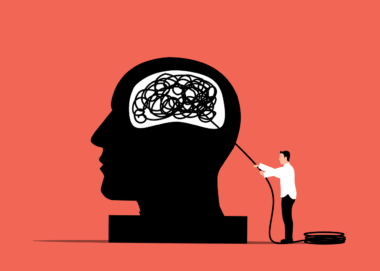
Journaling can significantly boost mental clarity by organizing thoughts coherently. When overwhelmed, individuals often feel mentally cluttered, which can hinder decision-making abilities. Writing provides a structured format to declutter the mind, offering a clear perspective on what truly matters. Creating bullet points or lists within journals helps simplify complex thoughts, breaking them down into manageable tasks or priorities. This clarity allows for better planning and aids in setting clear, achievable objectives. Furthermore, dedicating time to journaling daily reinforces discipline and routine, essential components for maintaining mental clarity. As individuals cultivate the habit of writing every day, they train their minds to focus, leading to improved concentration and productivity in other areas of their lives. Additionally, journaling can serve as a catalyst for creativity. When one allows thoughts to flow freely onto paper, brainstorming becomes easier, paving the way for innovative ideas and solutions to emerge. By nurturing this creative outlet, journaling can positively influence problem-solving skills and enhance one’s overall cognitive agility.
In terms of emotional wellness, journaling enables a deeper connection with oneself. With each written word, emotions and experiences transform into tangible elements that can be analyzed and reflected upon. This process encourages introspection, making it easier to identify emotional needs and desires. The act of exploring these feelings provides clarity on personal values and priorities in life. Individuals often discover their core motivations through journaling, which can lead to more aligned and fulfilled living. Additionally, this practice can facilitate emotional healing by providing a space to process trauma and grief. Writing about painful experiences can be therapeutic, allowing individuals to confront painful feelings and gain insights into how these experiences shaped their lives. In this vein, journaling may often serve as a first step in seeking support, as individuals may come to understand the value of external assistance for processing their emotions. The powerful combination of reflection and emotional exploration makes journaling an invaluable tool for emotional recovery and growth.
Creating a Journaling Routine
Establishing a consistent journaling routine is essential for reaping its many benefits. Setting aside specific times each day for journaling enhances commitment and reinforces the habit. Keeping a journal accessible encourages spontaneous writing, allowing individuals to capture moments of inspiration as they arise. Whether it’s in the morning with coffee or in the evening as a form of reflection before bed, finding a time that fits one’s lifestyle maximizes the effectiveness of this practice. To enhance engagement, individuals can experiment with different journaling styles, such as guided prompts, stream of consciousness writing, or artistic expressions like doodling. Different approaches cater to varied emotional needs and can stimulate deeper connections with one’s thoughts. Additionally, prioritizing a quiet and comfortable environment promotes concentration, allowing thoughts to flow freely. As the connection between writing and emotional expression deepens, individuals may begin to notice shifts in their emotional states, leading to increased mood stability and a deeper sense of well-being. Consistency is key, and long-term benefits become apparent with a devoted journaling practice.
Ultimately, the power of journaling lies in the self-empowerment it fosters. By taking a proactive approach to mental clarity and emotional wellness, individuals gain a sense of agency over their lives. This practice encourages individuals to explore their true selves, enabling transformative experiences that lead to informed life choices. As emotional resilience builds, the ability to navigate life’s challenges improves significantly. Many individuals find that regular journaling equips them with the tools needed to manage stress, anxiety, and emotional upheaval, fostering a healthier relationship with themselves. Implementing guided journaling can serve as a supplementary tool for mental health professionals, offering clients a medium to articulate their thoughts in therapeutic settings. As awareness surrounding mental health continues to grow, the adoption of holistic practices like journaling showcases the importance of integrating such tools into one’s living. The journey of self-discovery and emotional intelligence can often lead towards fostering a stronger connection with oneself and the surrounding world. Exploring one’s feeling through journaling opens avenues for healing, thus paving the way to a more fulfilled existence.
Conclusion: Harnessing Journaling for Well-being
In conclusion, journaling offers individuals a unique opportunity to enhance mental clarity and emotional wellness. By fostering self-reflection, establishing a routine, and engaging deeply with emotions, individuals can cultivate a rich tapestry of self-awareness and emotional intelligence. The benefits of journaling extend beyond mere documentation of thoughts and feelings; they encapsulate a holistic approach to mental health. By utilizing journaling as a complementary practice to traditional therapeutic methods, individuals can harness personal insights, creating pathways toward healing and growth. Moreover, individuals must remind themselves that this journey is unique for everyone, and different techniques may resonate differently. Whether used to express creativity, process emotions, or map out goals, journaling holds the potential to transform one’s mental and emotional landscape. The intrinsic rewards experienced through this practice promote a profound sense of fulfillment, aiding in the quest for sustained well-being. As one develops a personalized journaling habit, the path towards improved mental clarity and emotional strength becomes clearer, leading to a brighter and more empowered future.