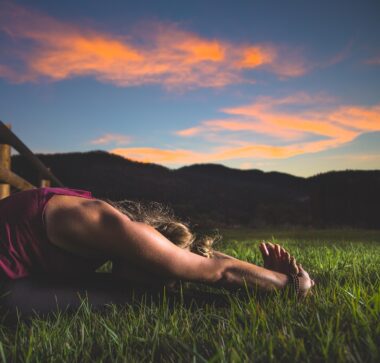

Safety Tips for Outdoor Sunrise and Sunset Exercise Sessions
Exercising outdoors during sunrise and sunset offers unique beauty and tranquility. However, safety must be prioritized to ensure enjoyable workouts. Start by wearing vibrant clothing that enhances visibility, especially as light fades during these times. Furthermore, opt for reflective gear if you’re out in low light conditions. Planning your route in advance is essential; choose well-lit, populated areas to minimize potential hazards. It’s also crucial to carry identification and inform someone about your exercise plans for personal safety. Incorporate a warm-up before engaging in physical activities to prepare your muscles, reducing the risk of injury. Staying hydrated is vital even during cooler temperatures; bring a water bottle for easy access. Remember, outdoor conditions can change quickly, so be prepared for fluctuations in temperature and weather. Use sunscreen even when it’s overcast to protect your skin from harmful UV rays. Additionally, listen to your body during workouts; if discomfort arises, seek rest. Lastly, enjoy the experience but keep safety as your utmost priority for a fulfilling workout session.
Understanding the Environment
Engaging in outdoor workouts means you interact with various environmental factors. Different terrains can influence workout intensity; be mindful of uneven surfaces while exercising. Always remain aware of your surroundings; monitor changes in weather conditions, including temperature drops or sudden rain, which can impact your comfort and safety. It’s essential to check local weather forecasts before heading out, especially when planning long sessions. In addition to weather changes, observe your environment, including parks or roads, to avoid obstacles such as holes or slippery surfaces. Ideally, choose designated workout areas in parks that have safety measures in place, like marked paths. Be conscious of nearby wildlife too; stick to established paths to avoid encounters. Understand that vegetation might alter the workout terrain, and wearing appropriate footwear can prevent slips or sprains. Carrying a small first-aid kit might be beneficial, especially for minor scrapes and cuts. When exercising during both sunrise and sunset, keep in mind that insects are often more active, so applying insect repellent can enhance your comfort. Embracing nature while staying mindful of these factors enhances your exercise experience.
Maintaining a steady pace while working out outdoors is crucial for both effectiveness and safety. If you notice fatigue or muscle strain, it’s vital to stop and assess your condition. Overexerting yourself can lead to serious injuries, especially if you’re unaccustomed to such activities. Listen to your body, and don’t hesitate to modify your workout routine based on your physical limits. Enticing weather during sunrise and sunset might encourage longer workouts, but maintaining personal limits is important. Consider incorporating interval training to maximize effectiveness without overexerting. This can involve alternating between intense bursts of activity, followed by gentle recovery periods. Moreover, using technology such as fitness trackers can help monitor heart rate and ensure you’re not pushing beyond safe levels. Emphasis on proper form during workouts is paramount; improper techniques can lead to injuries over time. Attend a local class or follow instructional videos if needed to refine your techniques. Moreover, avoid distractions like mobile devices while exercising outdoors, as they can divert your attention. Stay connected with nature while focusing on your movements to enrich the experience and maintain safety.
Bringing Essential Gear
Planning your outdoor workouts requires careful preparation and gathering essential gear. Start with proper footwear tailored to the terrain to provide comfort and support. Use breathable apparel that accommodates changes in temperature during early mornings or evenings. Carrying a lightweight backpack helps; include basics like water, snacks, and personal items. A portable first aid kit should also be part of your gear to address any minor injuries that occur during your exercise sessions. In addition, consider bringing along a whistle for emergencies or signaling if you encounter any issues. Using headphones is a great way to enjoy music or podcasts, but ensure you can still hear your surroundings, particularly when crossing paths or busy roads. Furthermore, utilizing a fitness app can help track progress and keep workouts structured. Considering items such as yoga mats or resistance bands, depending on your workout type adds versatility. Make sure to choose weather-appropriate items, like a light jacket in case of sudden weather changes. Keeping up with gear maintenance, including checking cycling equipment, or ensuring your shoes have sufficient grip, guarantees optimal safety.
Navigating shared spaces during sunrise and sunset workouts presents unique challenges and requires awareness of fellow exercisers. Always be courteous and respect personal space when exercising near others. Whether you’re jogging, biking, or practicing yoga, make sure you’re not obstructing pathways. When jogging or walking in groups, stagger your position to allow others to pass freely. If you’re using fitness equipment, such as mats or weights, refrain from blocking high-traffic areas. Pets can also be part of outdoor workouts; keep them leashed to minimize distractions or accidents. Sweeping views and fresh air are fantastic motivators but remain attentive to others’ movements to prevent collisions. Use hand signals before changing directions during runs or walking sessions; clarity ensures everyone remains aware. Additionally, using designated paths for cycling versus walking enhances safety for all users. If you encounter someone who may need help or appears distressed, pause your workout to check on them. However, prioritize your safety, and avoid running into potentially unsafe situations. Maintaining a strong sense of community through shared outdoor spaces enriches everyone’s experiences while upholding personal safety.
Post-Workout Care
Once workouts are completed, engaging in proper post-exercise care is crucial. Cool down gradually by walking or doing gentle stretches, helping the body transition from intense activity. Hydration is equally important; replenish fluids lost during workouts to stay hydrated. Consume a nutritious snack or meal within an hour after exercising, as your body needs refueling for recovery. Protein-rich foods can support muscle repair, while carbohydrates will restore energy levels. Moreover, listen to your body’s signals post-workout; soreness might indicate a need for rest or adjustments in future sessions. It’s essential to plan recovery days to allow time for muscles to heal and rebuild. Gentle yoga or stretching sessions can encourage flexibility during rest days. Keeping track of your workouts through a journal or app assists in recognizing patterns or recurring discomfort. Seeking professional advice for tailored training programs can optimize workout effectiveness and safety. Additionally, focus on quality sleep post-exercise; sleep is crucial for recovery and rejuvenation. Practicing mindfulness or meditation after workouts can help center your mind and body, balancing the overall fitness journey.
Weather conditions can be unpredictable, influencing your outdoor workout plans. Before stepping outside, check the weather forecast and be prepared to adapt your routine. If rain is likely, consider indoor alternatives or invest in waterproof gear for unexpected weather changes. For cold weather, layering appropriately will help maintain body temperature without overheating. Choose moisture-wicking fabrics to keep sweat away from your body. During hot days, early mornings or later evenings are ideal for avoiding harsh sun exposure. Remember, UV rays can still remain strong during sunrise and sunset; protecting your skin with sunscreen is vital. If conditions seem unsafe, such as high winds or storms, prioritize your safety by postponing outdoor activities. When facing fog or diminished visibility, opt for nearby, familiar paths to ensure safety. Keep track of your local weather patterns; seasons can influence your outdoor workout schedules, adding variety to routines. Always embrace flexibility in planning; that’s what makes outdoor exercise refreshing. Staying tuned into your surroundings ensures you can adapt quickly, remaining committed to your fitness goals despite environmental factors.