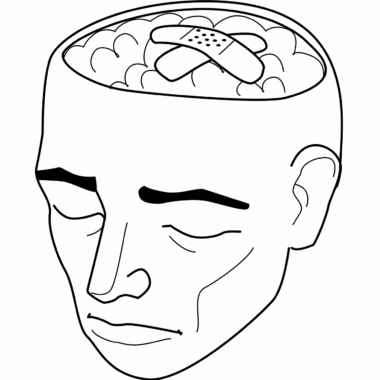

Psychological First Aid for Caregivers: Managing Compassion Fatigue
Caregivers often experience overwhelming emotional and physical tasks, leading to compassion fatigue, which can drastically affect their mental health and well-being. Psychological first aid (PFA) is an effective tool that equips caregivers to handle distress while supporting those they care for. Understanding the symptoms of compassion fatigue is crucial for anyone working in demanding roles. Symptoms include emotional exhaustion, depersonalization, and a diminished sense of personal accomplishment. Recognizing these signs early can aid in preventing more severe issues. Practicing self-care and seeking support is vital; caregivers should ensure they have time for relaxation and self-reflection. Developing strong communication skills can foster supportive relationships with peers and loved ones, allowing caregivers to express their experiences. Engaging in community or support groups is beneficial too, as shared experiences create camaraderie. Furthermore, establishing healthy boundaries prevents overwhelming responsibilities from infringing on personal time, allowing for better emotional management. Comprehensive training in PFA helps caregivers become resilient to stress while enhancing their capacity to support others effectively. This holistic approach to mental well-being is essential for sustaining both caregivers and their communities in managing emotional demands.
Implementing Psychological First Aid is not solely about responding to crises; it’s also about fostering resilience. Caregivers can learn to build their emotional strength through various strategies. Regularly checking in with oneself, using mindfulness techniques such as deep breathing or meditation, promotes emotional regulation. Journaling is equally powerful; writing down thoughts helps articulate feelings and clear overwhelming emotions. Sharing these reflections in therapeutic settings can provide additional relief and enhance emotional processing. Understanding personal triggers leads to better avoidance strategies, ensuring caregivers recognize when they need to step back. Attending workshops focused on managing stress and emotional health can offer valuable insights and techniques for self-protection. It’s crucial to remember that mental health is not static but rather a continuous journey requiring attention. Simple practices, like engaging in hobbies or physical exercises, can rejuvenate a caregiver’s spirit and prevent burnout. Additionally, caregivers should cultivate realistic expectations and avoid self-criticism for feeling overwhelmed. Establishing a schedule that includes regular breaks and leisure contributes to a more balanced life. Finally, caregivers must not hesitate to seek professional help when feelings become too intense. Seeking help should be viewed as a strength, not a weakness.
Tools for Managing Compassion Fatigue
Caregivers can utilize various tools to combat compassion fatigue efficiently and cultivate emotional strength. One effective approach is embracing overall wellness strategies encompassing physical, emotional, and social health. Maintaining a balanced diet and exercising regularly is critical; these activities contribute to improved mood and energy levels. It’s equally essential for caregivers to build a supportive network; this can mean forming connections with fellow caregivers, friends, or family members who understand the unique challenges faced. Engaging in leisure activities and creative outlets can also relieve stress, making it easier for caregivers to discharge pent-up emotions. Mindfulness practices, such as yoga or creative arts, promote relaxation and self-awareness. Recognizing and celebrating small victories in caregiving fosters positivity, reinforcing caregivers to continue their important work. Exploring educational texts on self-care techniques can provide additional strategies for managing stress and emotional burdens. Regular training sessions focusing on mental well-being enhance understanding and application of psychological first aid. Furthermore, workshops aimed at improving communication skills can empower caregivers by equipping them with the tools necessary for effective interactions, ultimately leading to better outcomes for those receiving care.
Caregivers must prioritize their mental health proactively to sustain their emotional well-being. One way to ensure this is by developing a self-care routine that includes regular physical activity, nutritious eating, and sufficient sleep. Creating boundaries within caregiving roles helps prevent overcommitment and clarifies responsibilities. Scheduling ‘me-time’ can protect personal needs and facilitate relaxation. Furthermore, caregivers can benefit from attending support groups designed for sharing experiences, offering insight, and promoting connection with others facing similar challenges. This creates a safe environment where caregivers can openly discuss their struggles without fear of judgement. Additionally, incorporating stress-reduction techniques such as deep breathing exercises, meditation, and outdoor activities can effectively manage anxiety levels. Engaging in meditation, even for a few minutes daily, cultivates mindfulness and emotional resilience. Caregivers should also explore various coping strategies to manage feelings of overwhelm. Building a toolkit of strategies specifically tailored to their unique situation will maximize effectiveness. Furthermore, seeking professional guidance in therapy can provide tailored coping mechanisms and greater emotional clarity. Understanding that it is acceptable to ask for help and prioritizing mental health ultimately leads to enhanced levels of care for those they support.
Building a Support Network
A strong support network is essential in helping caregivers combat compassion fatigue effectively. Caregivers should actively seek out connections within their communities to foster essential relationships, both personally and professionally. Colleagues and peers within caregiving roles provide understanding, validation, and opportunities for sharing resources. Online platforms dedicated to caregiver discussions are resources where individuals can connect, share experiences, and offer mutual support, breaking the isolation many caregivers feel. Organizations that focus on caregiver well-being often provide forums, workshops, or training sessions specifically designed to facilitate connections. Additionally, family and friends play a crucial role in providing emotional support; caregivers should encourage open conversations about their experiences with loved ones. This creates a compassionate environment where caregivers feel understood and valued. Participating in local community events or support groups can also nurture positive relationships outside of the caregiving role, expanding personal circles and alleviating feelings of loneliness. This network provides essential items in the caregiving toolkit, such as emotional validation. Lastly, using technology to stay connected, whether through video calls or messaging, ensures caregivers can maintain relationships, even when distance is a factor.
Lastly, caregivers should be encouraged to frequently assess their mental well-being. Regular self-assessments help caregivers identify changes in their emotional health, allowing for timely interventions. Simple tools, such as self-report questionnaires, provide insight into their current feelings and levels of stress. Taking the time to reflect can guide caregivers in determining the need for further support or adopting new coping strategies. Establishing personal goals for mental wellness must become an integral component of caregiving. These goals should be realistic and focused on fostering resilience, balance, and emotional health. Emphasizing the importance of adaptive skills such as flexibility and resilience helps caregivers navigate the challenges they face. When caregivers actively engage in setting wellness goals, they cultivate motivation and ownership of their mental health. They must use mental health resources available in their communities to foster a holistic support system. Joining peer-led support initiatives enables caregivers to learn from shared experiences while emphasizing recovery strategies. Ultimately, prioritizing psychological first aid within caregiver roles strengthens the overall health of both caregivers and those they serve, ensuring a compassionate and effective caregiving experience.
Conclusion: Prioritizing Caregiver Well-Being
In conclusion, the mental health and well-being of caregivers is invaluable and must be prioritized to sustain quality care for those they support. Compassion fatigue is a pressing issue that caregivers face as they dedicate emotional labor to others’ well-being. Employing psychological first aid principles provides effective coping strategies to combat fatigue and reinforce resilience. It is crucial to combine self-care practices and support systems to ensure caregivers can maintain their mental health effectively. Building a robust support network, engaging in stress-relief activities, and regularly evaluating emotional health are essential steps toward preserving caregivers’ well-being. Understanding personal triggers and setting boundaries can significantly contribute to a healthier balance in caregiving roles. Importantly, caregivers should not hesitate to seek help when needed; this action reflects strength and promotes mental health recovery. Investing in one’s own emotional needs enables caregivers to provide compassionate and effective support to their loved ones. As we foster understanding and promote resources surrounding caregiver health, the impact of compassion fatigue can be mitigated, ensuring caregivers remain resilient in their vital roles.