
Flexibility Exercise Benefits for Seniors’ Independence
Flexibility training offers numerous benefits, especially for seniors striving for independence. Enhanced mobility is one of the most significant advantages. As people age, their bodies become stiffer, leading to challenges in performing daily tasks. Engaging in consistent flexibility exercises can help to elongate muscles and improve joint range of motion. This improvement facilitates easier movements in mundane activities such as bending down to pick up objects or reaching overhead. Moreover, improved flexibility can directly influence balance and coordination, reducing the risk of falls, a common concern for older adults. With increased flexibility, seniors can maintain physical independence much longer, allowing them to enjoy hobbies and social activities without limitations. Additionally, flexibility training can aid in pain relief, particularly for those suffering from arthritis or chronic back pain. By incorporating stretches and gentle flexing into their routine, seniors can alleviate discomfort and enhance their quality of life. Altogether, these benefits make flexibility training a crucial component in seniors’ fitness regimens, contributing to overall well-being and retaining autonomy as they age. Regular practice guarantees sustainable progress and tangible improvements in daily life.
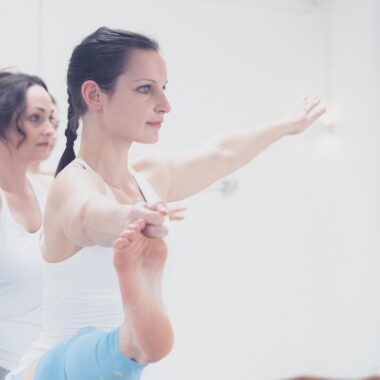
The social benefits of participating in flexibility exercises should also not be overlooked. Group classes focused on stretching and mobility are widely available and often bring together like-minded individuals. This social interaction not only motivates seniors to attend regularly but also fosters friendships, combating loneliness and isolation. In a society where many seniors live alone, having a local class to attend can be truly enriching. These group settings provide a supportive environment, allowing participants to share experiences and encourage one another. Furthermore, tailoring flexibility exercises to suit various fitness levels ensures inclusivity, making everyone feel welcome. Seniors are often advised to engage in low-impact exercises, which include stretching techniques, yoga, and tai chi, all of which can often be practiced in a group. Connection is essential, and sharing the journey toward improved flexibility can be uplifting. As seniors learn from instructors and each other, they not only gain flexibility but also mental and emotional support. Such group dynamics can greatly enhance life quality. Therefore, the social aspect of flexibility training not only aids physical health but also strengthens community bonds amongst participating seniors.
Physical Health Improvements from Flexibility Training
Improving physical health through flexibility exercises is a multifaceted benefit for seniors. One primary advantage is the decreased likelihood of injuries, which significantly impacts seniors’ independence. Flexible muscles and connective tissues resist potential injuries by allowing improved elasticity and adaptability during movements. By participating in stretching and mobility routines, older adults can better prepare their bodies for unexpected movements that may otherwise lead to strains or sprains. Another notable benefit is the enhancement of blood circulation. Regular stretching promotes increased blood flow to muscles, which can help deliver much-needed nutrients and oxygen while reducing muscle fatigue. Such circulation boosts cellular repair, allowing seniors to recover from workouts or daily activities more efficiently. Additionally, flexibility exercises can benefit seniors with certain pre-existing conditions. Those managing issues like limited mobility or chronic pain can experience noticeable improvements over time. It is essential for older adults to adopt consistent flexibility training, as it contributes not only to comfort and relaxation but also to longevity in their ability to perform essential daily activities, thereby bolstering autonomy and self-sufficiency throughout their golden years.
Furthermore, mental health improvements are another significant benefit of flexibility training. As seniors engage in stretching exercises, they often experience reduced stress and anxiety levels. This outcome is partly attributed to the calming nature of these activities, which encourage mindfulness during practice. The deliberate focus on breathing and movement provides seniors with a much-needed mental respite. A clear mind contributes positively to overall health and mitigates the risk of mental health issues such as depression, allowing for a more balanced emotional state. Moreover, practicing flexibility training can lead to enhanced self-esteem. Seniors who see tangible progress in their flexibility often feel a sense of achievement, reinforcing a belief in their ability to maintain independence. This improvement cultivates a proactive approach to fitness and encourages exploring new activities, enhancing their sense of agency. Additionally, the promotion of better sleep quality is linked to regular flexibility exercises. Many seniors struggle with sleep issues, and a nighttime stretching routine can facilitate relaxation, making it easier to fall asleep and stay asleep. The combination of physical and mental advantages derived from flexibility exercises creates a holistic effect, enriching the lives of seniors seeking to maintain independence fully.
How to Integrate Flexibility Training
Integrating flexibility training into a senior’s daily routine doesn’t have to be daunting. Simple strategies can be employed to ensure consistent practice. First, begin by setting specific, achievable goals for stretching and flexibility. This could involve dedicating 10-15 minutes each day to flexibility exercises. Choosing specific days and times for these activities can create routine and accountability, leading to long-term adherence. Second, seek guidance from professional trainers or instructors specializing in senior fitness. Knowledgeable coaches can provide personalized suggestions, ensuring exercises are safe and effective for individual needs. Third, consider using resources available online. Many platforms offer videos and tutorials specifically designed for seniors, allowing them to follow along in the comfort of their homes. Furthermore, it is beneficial to incorporate flexibility training into existing activities such as yoga or tai chi classes that promote stretching. Partnering with friends or family members can also motivate seniors by creating an enjoyable atmosphere. Ultimately, the goal is to make flexibility training a fun and beneficial part of daily life, ensuring lasting dedication and enhancing the potential for independence and overall well-being.
In summary, the numerous benefits of flexibility training make it an essential aspect of fitness for seniors. The amalgamation of physical improvements like enhanced mobility and reduced injury risk, coupled with mental health benefits such as reduced stress and improved mood, positions flexibility training as a cornerstone of senior wellness. These techniques support greater independence, allowing older adults to maintain their lifestyle preferences, whether related to chores, hobbies, or social engagement. The journey toward flexibility should be a gradual yet consistent process, empowering seniors to embrace their capabilities and set realistic goals. Awareness of one’s body, being responsive to its needs, and acknowledging progress, no matter how small, are important components of successful training. Whether through tailored programs developed by professionals or via online resources at the senior’s pace, the journey towards flexibility can be enriching and fulfilling. Community involvement through group classes can foster motivation and social connections, creating positive experiences in flexibility training. By prioritizing flexibility, seniors can significantly enhance their quality of life, ensuring they can navigate each day with confidence, grace, and, ultimately, independence.
Conclusion: Embrace Flexibility Training
In conclusion, embracing flexibility training is vital for seniors seeking to maintain independence as they age. The comprehensive physical and mental benefits highlight its importance within a fitness routine. Regular practice can lead to improved balance, reduced pain, enhanced social connections, and better overall health. Flexibility exercises are instrumental in encouraging older adults to continue engaging in daily activities, emphasizing that independence is achievable even with age-related changes. Caregivers and family members should actively support seniors by providing resources and encouragement for maintaining a consistent flexibility training regimen. With a focus on both adaptability and support, seniors can cultivate a fulfilling, independent lifestyle all while strengthening their bodies and minds. Together, these elements create a pathway to a prosperous age, filled with opportunities for health and happiness. Investing time in flexibility not only promotes physical well-being but fosters emotional resilience as well. So, let us inspire the senior community to embrace movement, flexibility, and improved quality of life, reinforcing the belief that it’s never too late to invest in one’s health, happiness, and independence.