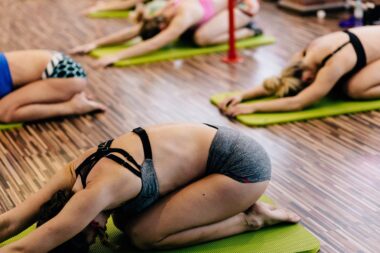

Daily Mindful Stretching Routine to Keep Injuries at Bay
Stretching mindfully plays a significant role in fitness, particularly when it comes to preventing injuries. The act of stretching with intention allows not just for physical benefits but also promotes mental well-being. Mindful stretching encourages you to listen to your body and recognize areas that need more attention. Consider this routine as a proactive approach to improving flexibility while decreasing muscle tension. Begin by finding a comfortable mat or space where you can concentrate without distractions. Next, focus on your breathing patterns, ensuring you take deep, steady breaths to reduce anxiety. When performing stretches, do not rush through the movements. Instead, allow yourself to feel each stretch deeply while maintaining control over your body. This mindfulness will enhance your awareness of any tightness or discomfort. Moreover, consistent mindful stretching fosters a deeper connection between your mind and body, which is crucial for overall well-being. By dedicating time each day to this practice, you will likely experience improved performance in your workouts and a reduced risk of injury, ultimately allowing you to enjoy your fitness journey to the fullest.
Incorporating mindful stretching into your daily routine can yield various physical benefits. One key advantage is improved flexibility, which helps maintain a full range of motion in your joints. Increased flexibility reduces the likelihood of muscle strains, tears, or other injuries that can arise from workouts or daily activities. To achieve these benefits, consider using a structured routine that focuses on different muscle groups. For instance, spend time stretching the hamstrings, quadriceps, calves, and shoulders. Each of these areas plays a crucial role in supporting body movements, and when they are flexible, your entire body functions better. Additionally, mindful stretching can enhance your posture, as it encourages greater awareness of body alignment. As you become more in tune with your physical self, you may notice that better posture leads to fewer chronic pains and discomforts. This is particularly beneficial for those who work sedentary jobs. Furthermore, dedicating time to mindfulness in stretching not only prevents injuries but also allows you to mentally unwind after a long day. The act of focusing on your body and breath truly creates a space for relaxation and rejuvenation.
Effective Techniques for Mindful Stretching
Mindful stretching can be tailored to suit your individual needs and preferences, incorporating a variety of techniques. One effective approach is dynamic stretching, which involves movement-based stretches that warm up your muscles. This method activates your body and prepares it for physical activity. Examples include arm circles, leg swings, or torso twists. Alternatively, static stretching involves holding stretches for a prolonged period, ideal for increasing flexibility. This includes stretches like the butterfly or standing quadriceps stretch. It’s essential to remember that stretches should feel comfortable without causing pain; listen closely to your body. Another technique is the use of props, such as yoga straps or blocks, which can help deepen stretches safely. You can also practice guided stretch sessions, available through various platforms. These usually integrate elements of mindfulness by focusing your mind on the posture while managing your breathing. By mixing both dynamic and static stretches in your routine, you offer your muscles an effective and comprehensive approach. This blend will lead you to experience how mindful stretching can be more beneficial than you might have initially presumed.
To maximize the benefits of mindful stretching, creating a regular schedule is essential. Aim to stretch at least five times per week, allowing your muscles the chance to adapt and grow more flexible. Incorporate stretching both before and after workouts to prepare your muscles and facilitate recovery. Furthermore, pay particular attention to your breathing during these moments. A simple yet effective strategy is to inhale deeply before entering a stretch and exhale slowly while holding it. This promotes further relaxation in your body and enhances your muscular response. Design a session lasting around 20 to 30 minutes, focusing on essential areas like the calves, hamstrings, back, and shoulders. Doing so ensures you maintain a well-rounded approach. Remember also to track your progress over time, documenting how stretching feels week by week. Note any improvements in flexibility or changes in your body, which will motivate you to continue this healthy practice. Finally, consider modifying your techniques or routines periodically to avoid complacency while keeping the practice engaging, cultivating a nurturing atmosphere for both body and mind.
Listening to Your Body
A fundamental aspect of mindful stretching is the ability to listen to your body. This means recognizing when to push your limits and when to ease off, ensuring you remain injury-free by avoiding overstretching. As you stretch, pay close attention to your body’s signals. If you feel any discomfort or pain, try to adjust your position, or release the stretch entirely. Moreover, you can keep a journal tracking your sensations during stretching, marking where you feel tightness or discomfort. This can greatly enhance your understanding of your physical self. It’s important to remember that everyone’s body is different; what feels right for one person may not work for another. During your mindful stretching practice, focus on nurturing your individual requirements. Developing this self-awareness nurtures a deep connection between your movements and mindset. This focus can genuinely contribute to mental clarity, as you’re engaging in the present moment. Whenever your mind wanders, gently guide it back to your breath and the sensation of stretching, allowing this awareness to serve as a conscious reminder throughout your practice.
Engaging in mindful stretching creates an opportunity for routine self-care, vital for maintaining physical and mental health. Building this habit carries long-term benefits, influencing your overall lifestyle and approach to wellness. When you dedicate time to stretch daily, you invest in your body’s ability to perform its functions optimally. The mental benefits are equally valuable; incorporating mindfulness reduces stress and anxiety, creating space for better focus both inside and outside of workouts. Regular practice of stretching facilitates not just body awareness but also cultivates patience and resilience. This practice fosters the ability to approach challenges mindfully, translating your stretching routine into other areas of life. Moreover, you may notice enhanced performance in physical activities, as regular stretching enables greater mobility and balance, thereby supporting overall fitness results. As your body becomes accustomed to this routine, you will likely feel more energized and agile. This newfound agility will help you advance in various fitness endeavors and lend itself to a more fulfilling lifestyle. These practices help solidify the connection and importance of incorporating mindfulness into your daily activities for long-term health and vitality.
Conclusion and Moving Forward
In conclusion, establishing a daily mindful stretching routine enriches both body and mind. The benefits extend beyond injury prevention, enhancing overall well-being and performance in physical activities. Embracing mindfulness during stretching encourages self-awareness and prioritizes your body’s needs, helping you maintain a balanced fitness lifestyle. Make sure to share your journey with friends or fellow fitness enthusiasts, creating a supportive atmosphere that promotes unity and shared goals. This community can provide motivation while keeping everyone accountable to their mindful practice. Remember, it’s essential to celebrate the progress you make, no matter how small. Regular feedback from your body helps refine your technique and understanding of your limits. As you continue this routine, consider expanding into additional form practices, such as yoga or pilates, both of which enhance the concepts of mindfulness and stretching. Gradually introducing variety ensures continued progress, keeping both the physical and mental aspects engaging. Prioritize the quality of your practice rather than quantity, focusing on deepening your connection with your own body, mind, and overall fitness journey. Taking these steps will guide you towards many injury-free ventures in your active life ahead.