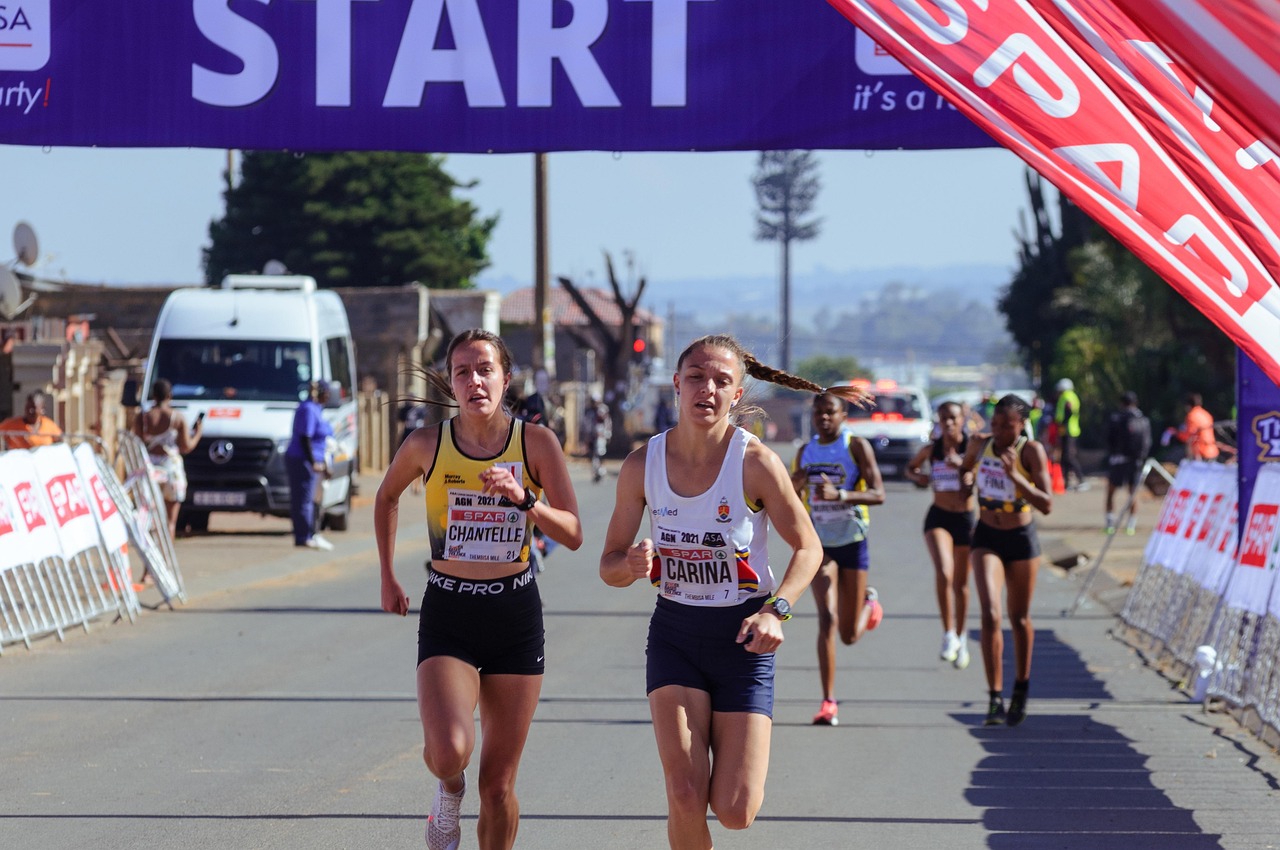

Are Women Naturally Less Athletic? Busting the Myth
The perception that women are inherently less athletic than men is a pervasive myth rooted in historical gender stereotypes. This notion is often perpetuated by media representations, anecdotal experiences, and cultural beliefs that associate strength and athleticism with men alone. However, scientific research shows that differences in athletic performance are not solely determined by gender. Physiological factors like muscle composition, hormones, and training impact performance significantly. While there are general trends in male and female athletic abilities, these are overshadowed by individual differences. Many women excel in various sports, breaking records and redefining capabilities across disciplines. Encouraging women to participate in all forms of fitness can help dismantle these myths. Rather than focusing on gender-based assumptions, it is essential to emphasize personal goals, interests, and capabilities. By celebrating female athletes and their successes, we foster a more inclusive environment in sports and fitness. Additionally, women naturally possess many qualities that can contribute to athletic success, including endurance, flexibility, and mental toughness. It is time to move past stereotypes and recognize the diverse skills women bring to athletics.
In recent years, the landscape of women’s fitness has seen tremendous growth in the participation and visibility of female athletes. This evolution stands in stark contrast to the outdated assumption that women cannot compete at the same level as men. Studies show that women perform exceptionally well in various endurance sports, often surpassing their male counterparts in terms of stamina. For example, ultra-endurance events reveal that women often maintain a higher level of performance over extended distances. Furthermore, the rise of female role models in athletics, including marathon champions and Olympic medalists, has inspired a new generation of girls to pursue their passions. This makes clear that determination and dedication matter far more than gender in achieving athletic prowess. As the fitness community continues to evolve, it must champion the idea that anyone can be athletic and excel in their chosen sport without the limitation of gender-based assumptions. This shift encourages inclusivity and empowerment among aspiring female athletes. Additionally, fitness opportunities must continue expanding, providing women with resources, training programs, and platforms where they can thrive and shine, demonstrating their potential in competitive arenas.
Understanding Athletic Variability
It’s crucial to recognize that athletic ability varies widely across individuals, regardless of gender. Factors such as genetics, nutrition, training habits, and lifestyle choices play a significant role in one’s athletic performance. Some argue that physiological differences, such as testosterone levels, may favor men in certain physical tasks, yet this doesn’t define the complete athletic landscape. Women often excel in activities requiring aerobic endurance, flexibility, and agility. Furthermore, women typically exhibit greater pain tolerance, allowing them to endure the rigors of physical training effectively. The individualized approach to fitness acknowledges these unique attributes, encouraging everyone to harness their strengths confidently. Moreover, it is vital to debunk the myth that stamina or strength is inherently male traits. Women have demonstrated astounding capabilities in various strength-based sports, often living up to, and even exceeding, expectations. This reality reinforces the idea that athleticism transcends gender boundaries. Cultivating a training environment tailored to enhance individual abilities can empower women in fitness, fostering confidence and dismantling outdated myths that limit their participation. Ultimately, redefining the narrative surrounding women in sports cultivates a more equitable and inspiring path for aspiring athletes.
The influence of societal expectations also plays a pivotal role in shaping women’s perspectives on fitness. When girls see fewer role models in sports, they might internalize the belief that athleticism isn’t for them. Conversely, when they witness empowered female athletes achieving incredible feats, it inspires participation and resilience. Its not uncommon for women to be discouraged by a lack of representation or motivated by societal norms emphasizing appearance over performance. These external pressures lead to self-doubt and potential disengagement from physical activities. To combat this cycle, it is essential for communities and coaches to create inclusive environments. Initiatives can include programs designed to celebrate and promote female success in sports while emphasizing the importance of health and well-being over aesthetics. Awareness campaigns can help shift the narrative, providing encouragement and motivation to young women eager to explore fitness. Schools, organizations, and local sports teams must foster supportive networks where every girl feels valued and capable of excelling. By fostering mentorship opportunities that connect aspiring female athletes with experienced role models, we can inspire the next generation and reshape their relationship with fitness for the better.
The Importance of Emotional and Mental Strength
Athleticism is not limited to physical capabilities; emotional and mental strength significantly contributes to success in sports. Women often showcase remarkable resilience, determination, and tenacity in facing challenges. These attributes can often be overlooked but are crucial components of athletic performance. Research indicates that mental fortitude can be a differentiating factor between successful and unsuccessful athletes. Training the mind and building confidence can lead individuals to push their limits and achieve incredible results. Female athletes have shown extraordinary emotional strength throughout history, breaking barriers, and transforming perceptions about women in sports. This emotional strength often enables women to connect better with their teammates, fostering collaboration and support. Mentorship programs that emphasize developing mental resilience may be particularly beneficial for young female athletes. Such programs encourage them to navigate obstacles and pursue their goals with unwavering confidence. By honing not just physical but also mental skills, women athletes can enhance performance and resilience. Therefore, developing holistic training approaches is essential for fostering well-rounded and successful athletes who excel beyond combining strength and skill.
Despite the obstacles faced by female athletes, the fitness community is rapidly adapting to create spaces that nurture female talent. Many organizations and sports institutions now prioritize inclusivity and diversity, offering more programs specifically designed for women. This shift helps combat the years of underrepresentation and empowers women to pursue their ambitions without fear of judgment. Female-centric sports brands are also emerging, showcasing athletic apparel tailored to women’s needs and preferences. Additionally, increased visibility in mainstream media plays a vital role in reshaping societal perspectives. As female sports figures gain prominence, their achievements are celebrated, breaking age-old stereotypes. This positive reinforcement encourages potential athletes, showing them that success is achievable and valuable to a society eager for greater equality. Social media platforms have also become a powerful tool, enabling women athletes to share their journeys and support each other. This connectivity fosters a supportive community and sparks conversations about women in sports. As these changes continue, it will build a foundation for future female athletes. Breaking barriers and challenging traditional notions of athleticism can finally lead to a more diversified and equal playing field.
The Future of Women in Fitness
Looking ahead, the future of women in fitness appears bright. As myths continue to be challenged and debunked, it becomes increasingly evident that athleticism knows no gender. In schools, initiatives aimed at promoting sports among girls are expanding, contributing to a more equitable landscape. More young women are participating in various sports, resulting in healthier lifestyles and a stronger sense of community. Access to quality training and mentorship programs will continue to play a crucial role in fostering the next generation of female athletes. As we encourage women to pursue their interests and passions, we contribute significantly to breaking these outdated stereotypes. The sports industry must also keep evolving, creating opportunities for sponsorship and visibility that celebrate women athletes. By prioritizing representation in various media, we can inspire countless girls to embrace their athleticism. Progress requires collective effort—achieving sustainable change will involve blending education, community support, and media representation. With increased awareness and adaptation to new training methodologies, women can thrive in a landscape that recognizes individual strengths and contributions. The vision of an inclusive athletic future is achievable, and together, we can turn this vision into reality.
In conclusion, emphasizing that women are not naturally less athletic is vital for creating an inclusive and dynamic fitness culture. The pervasive myths surrounding women in sports hinder potential growth and evolution in athletics. As we challenge these long-held beliefs, we pave the way for holistic understanding and appreciation of individual capabilities. Women possess immense potential to excel in fitness and sports, and they should be celebrated for their unique contributions. The emphasis should lie not on gender but on individual motivation, training, and discipline. By honoring athletic achievements regardless of gender, we enhance the overall experience for all involved in sports. Communities should come together to foster supportive environments, actively work against stereotypes, and champion female athletes and their accomplishments. Furthermore, education about the physical and mental aspects of athletic training can empower women to reach for their goals unapologetically. The narrative surrounding women in fitness is evolving; now is the time to embrace this change actively. By busting the myth that women are less athletic, we foster a future where women feel empowered to pursue their athletic dreams freely and openly.