
Understanding the Muscular Anatomy in Yoga Practice
Yoga, as a holistic practice, deeply engages the body, mind, and spirit, and understanding the muscular anatomy involved can significantly enhance your practice. The human body comprises more than 600 muscles, each playing a crucial role in the execution of various poses. Knowledge of how these muscles work in concert can lead to improved alignment, strength, flexibility, and overall body awareness. For instance, engaging core muscles accurately stabilizes the pelvis and supports the lower back during postures like Downward Dog and Warrior II. In yoga, major muscle groups such as the glutes, quadriceps, hamstrings, and the muscles of the shoulders and spine bear the brunt of our movements. Each pose stretches and strengthens these muscle groups, promoting balance and coordination. Yogic practices, which incorporate breath control or Pranayama, also harmonize muscular tension and relaxation. This interconnectedness can amplify focus and serenity in practice. Therefore, delving into the specifics of muscle function can help practitioners vary their routines effectively. Understanding anatomy in yoga isn’t just for instructors; it’s equally beneficial for all enthusiasts who wish to deepen their practice.
In yoga, the role of the skeletal muscles is pivotal. These muscles are responsible for voluntary movements and are attached to bones via tendons. The four key components of the muscular system relevant to yoga are: skeletal muscle, smooth muscle, cardiac muscle, and connective tissue. Each component interacts uniquely with the bones and joints during yoga asanas. For instance, when practicing a pose such as the Triangle Pose, the engagement of the obliques, quadratus lumborum, and other abdominal muscles supports the lower back and enhances mobility. Additionally, the relationship between agonist and antagonist muscles is vital. Agonist muscles contract to initiate movement, while antagonist muscles relax to allow the movement. Yogic postures often demonstrate this concept; for example, when performing the Cobra Pose, the back muscles work while the abdominal muscles relax. The balancing act between these opposing muscle groups minimizes the risk of injury and promotes stability. An understanding of these dynamics empowers practitioners to adapt their practices according to their body’s specific needs, enhancing both strength and flexibility over time.
The Importance of Core Stability
Core stability is essential for safe and effective yoga practice. The core consists of several muscles, including the rectus abdominis, transverse abdominis, and the obliques, which work together to stabilize the pelvis and spine. A strong core supports proper posture, aids in alignment, and facilitates the execution of various asanas. A well-developed core allows practitioners to transition smoothly between poses and perform complex sequences without excessive strain. For example, in poses like Plank and Boat, core engagement is crucial to maintaining balance and control. Moreover, a stable core enhances breathing, as it helps maintain proper posture and diaphragm function during Pranayama. Lack of core strength can lead to misalignments, which may result in discomfort or injury over time. To address this, practitioners can incorporate core-strengthening poses such as Bridge and Chair, focusing on controlled movements and breath. Furthermore, awareness of the core during each practice enhances mindfulness, contributing to a deeper, more connected experience. Practicing regularly with an emphasis on core engagement promotes overall health and well-being, not just in yoga but in everyday activities, fostering resilience against injury.
In yoga, lower body strength is of utmost importance, particularly in foundation poses such as Warrior and Tree Pose. Understanding the anatomy of the legs, including the quadriceps, hamstrings, calves, and glutes, is crucial for effective practice. The quadriceps, located on the front of the thighs, are responsible for extending the knee and stabilizing poses. On the other hand, the hamstrings, found at the back of the thighs, act to flex the knee and extend the hip. A balance between these muscle groups is essential for preventing injuries and ensuring safe transitions between poses. An over-focus on one muscle group can lead to tightness or weaknesses that manifest in discomfort. For instance, a tight hip flexor can impact the alignment in seated or standing poses. Thus, incorporating stretches such as Pigeon Pose and Forward Bend can alleviate tightness and enhance mobility. Furthermore, strengthening the glutes plays a vital role in hip stability, which is fundamental to maintaining balance in various asanas. Hence, diversifying lower body training not only increases strength but also contributes to better stability and alignment throughout the yoga practice.
Upper Body Awareness in Yoga
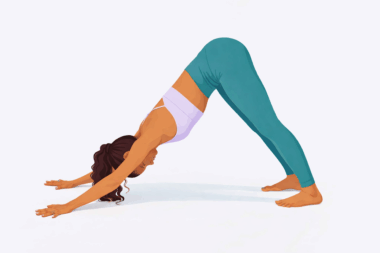
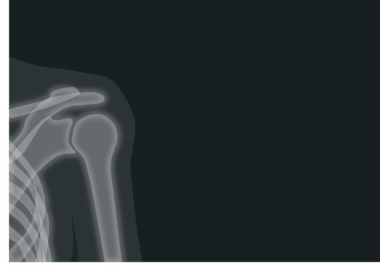
The upper body consists of various muscles critical to many yoga poses, including the shoulders, chest, back, and arms. Understanding the anatomy of the upper body can lead to more informed choices in practice, particularly in poses that require strength and stability. In the Downward-Facing Dog, for instance, engagement of the shoulder blades is vital for maintaining shoulder stability and alignment. The trapezius, latissimus dorsi, and pectoralis muscles work together to stabilize the shoulders while allowing for fluid movement. Additionally, the rotator cuff muscles play a crucial role in maintaining shoulder health, especially during arm balances and inversions. Practitioners should be aware of their limits, as pushing beyond them can lead to strain or injury. Including poses such as Child’s Pose and Eagle stretches can increase flexibility in the upper body. Moreover, strengthening exercises like Plank help build muscle endurance. Incorporating movements that emphasize upper body engagement helps enhance overall strength, promoting a sense of confidence and power during practice, thus enabling practitioners to explore more challenging transitions effectively.
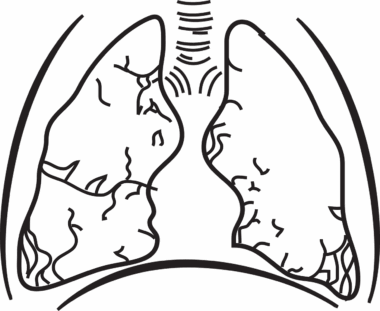
The relationship between breath and muscular engagement in yoga cannot be overstated. Pranayama, or breath control, teaches the significance of breath in managing energy and enhancing focus. Understanding how muscle tension affects breathing patterns is vital for optimizing practice. For example, when performing Forward Fold, mindful awareness of how to relax the muscles while maintaining a natural breath rhythm helps achieve deeper stretches. Yoked with exhalations, key muscles such as the diaphragm and intercostals facilitate increased lung capacity during asanas. This synergy between breath and movement promotes relaxation while still allowing for strength and endurance through dynamic poses. Additionally, practicing breath control during challenging postures helps master transitions and enhances core stability. In essence, breath serves as a guide, helping practitioners maintain awareness of their body connections while adapting to various asanas. Therefore, learning to synchronize breath with movement fosters a deeper connection with both the practice and oneself. It ultimately leads to a more fulfilling experience on and off the mat, contributing to improved wellness and overall mental clarity.
Adapting Practices Based on Muscular Understanding
Understanding muscular anatomy in yoga is essential for making informed decisions about personal practice. Knowing when to strengthen or stretch particular muscle groups can inform practitioners’ choices during sessions. For example, those with tight hip flexors may benefit from a focus on hip-opening poses such as Bound Angle or Lizard. Conversely, individuals who lack strength in their glutes and legs might prioritize poses that build lower body strength, including Warrior III and Chair Pose. Flexibility and strength training should be balanced to optimize performance in asanas. Additionally, practitioners should be mindful of their limitations and listen to their bodies, adjusting their approach accordingly. As every individual has unique muscular structures and limitations, practicing variations of poses can enhance personal comfort. For instance, using props like blocks can provide support and stability while stretching, enabling deeper accessibility in challenging poses. Seeking the guidance of a qualified instructor can also aid in this process, as they can offer personalized strategies rooted in muscular understanding. Thus, adapting practices not only enhances the physical aspects but also encourages psychological advantages, fostering greater satisfaction and confidence in one’s yoga journey.
To summarize, gaining an understanding of muscular anatomy includes a myriad of benefits for enhancing the yoga practice. The key roles played by different muscle groups—core, lower body, and upper body—cannot be underestimated. By focusing on developing strength and improving flexibility, practitioners create greater body awareness, stability, and balance. Additionally, integrating breath control and understanding its interplay with muscular engagement allows for deeper connections within the practice. As yoga encompasses a comprehensive approach to well-being, understanding anatomy enriches the entire journey. This awareness prompts practitioners to be more attuned to their bodies and respectful of their limits. Furthermore, personalizing routines based on muscular considerations leads to a more tailored experience on the mat. As the relationship between muscle function and movements unfolds, practitioners can explore variations that enhance their comfort and accessibility of poses. Ultimately, deeper insight into the muscular anatomy will empower yoga enthusiasts and students alike in their practices. By implementing thoughtful adaptations guided by anatomical knowledge, they can flourish, benefiting from both physical and emotional growth. Therefore, cultivating a more profound understanding of anatomy is essential for anyone committed to nurturing their yoga journey in meaningful ways.