
Top 10 Strength Training Exercises for Busy Professionals
For busy professionals, finding time for fitness can be challenging. Strength training is an effective way to build muscle, enhance metabolism, and improve overall health. Here we present ten exercises that can be done in a short time to help you stay fit amidst a hectic schedule. The exercises require minimal equipment and can often be performed at home or in the gym. Incorporating these movements into your routine can yield significant benefits, such as increased strength and better energy levels. Moreover, they can often be completed in thirty minutes or less. These workouts are designed to be efficient while also being powerful enough to deliver results. To maximize effectiveness, consider integrating these exercises into a circuit-style workout. This method allows for minimal rest between exercises, keeping heart rates elevated throughout. Ultimately, no matter how busy your life is, incorporating strength training into your routine can be done effectively. Let’s dive deeper into each exercise and discover how they can be beneficial for you, accommodating the fast-paced demands of your professional lifestyle.
1. Push-ups
Push-ups are a classic exercise that can be done anywhere, making them perfect for busy professionals. They target your chest, shoulders, triceps, and core simultaneously, offering a full upper-body workout. To perform a push-up correctly, start in a plank position with your hands slightly wider than shoulder-width apart. Lower your body until your chest nearly touches the floor, and then push yourself back up to the starting position. If standard push-ups are too challenging, you can modify them by resting on your knees or doing inclined push-ups using a bench. Aim for three sets of eight to twelve repetitions, adjusting as necessary to meet your fitness level. Push-ups not only build strength but also help with functional fitness, improving your performance in day-to-day activities. Additionally, you can vary the exercise by incorporating different hand placements or foot elevations. Consistent practice will lead to noticeable improvements in strength and endurance over time. When you’re strapped for time, push-ups can effectively fit into your quick workout routine, ensuring you still get your strength training sessions in.
2. Squats
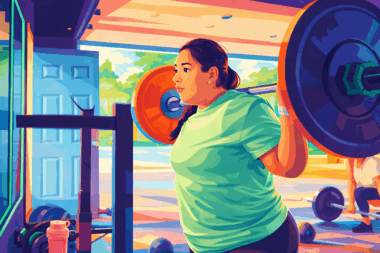
Squats are another fundamental exercise to include in your strength training routine, targeting major muscle groups such as legs and glutes. This functional movement mimics everyday activities like sitting and standing, enhancing performance for daily tasks. To execute a squat, begin by standing with your feet shoulder-width apart. Lower your body by bending your knees while keeping your chest up and back straight, as if sitting back into a chair. Go as low as comfortable, ideally until your thighs are parallel to the ground, and then return to standing position. You can also add weights like dumbbells or a barbell for additional resistance, or even perform variations such as jump squats to increase intensity. Aim for three sets of ten to fifteen repetitions. Squats can be performed in your home, garden, or gym, making them a versatile choice. Not only do they build strength, but they also improve balance and mobility. The strength gained from squats translates well into enhancing performance in other activities, making them a valuable addition to any busy professional’s fitness regimen.
3. Deadlifts
The deadlift is a compound exercise that strengthens multiple muscle groups and is incredibly effective for busy individuals. Like squats, deadlifts target your lower back, glutes, and hamstrings. To perform a basic deadlift, begin with your feet hip-width apart, with a weight on the floor close to your shins. Bend at your hips and knees to grip the weight, keeping your back straight. Engage your core, and lift the weight by standing up, pushing through your heels, and straightening your legs. It’s crucial to maintain proper form to prevent injury, ideally starting without heavy weights until you’re comfortable with the movement. Aim for three sets of six to ten repetitions, ensuring the weights are manageable. Deadlifts can enhance posture and core stability, which is beneficial for those who spend a lot of time sitting at desks. For those with a demanding schedule, incorporating deadlifts as part of a quick, focused workout can be remarkably effective. Remember to warm-up before engaging in heavy lifts to prepare your body and minimize the risk of injury.
4. Lunges
Lunges are an excellent full-body exercise that targets the legs and glutes while also engaging your core. This movement improves balance and stability, vital for everyday activities. To perform a basic lunge, stand tall and take a step forward, lowering your back knee towards the ground without letting it touch the floor. The front knee should remain above the ankle, and then push back to the starting position. You can vary lunges by incorporating reverse lunges or lateral lunges for added intensity. These can be impactful, particularly on busy days when you’re looking to maximize your workout in minimal time. You can perform lunges anywhere, making them convenient for professionals who may not have access to a gym. Aiming for three sets of ten repetitions on each leg helps build strength effectively. Incorporating lunges into your workout routine will not only increase leg strength but also enhance flexibility and metabolic rate. They can be performed quickly, fitting nicely into a hectic schedule without sacrificing effectiveness.
5. Planks
Planks are an isometric core exercise that provide tremendous benefits for overall stability and strength, particularly in busy professionals. They primarily engage your abdominal muscles and back, which are critical for good posture during long hours of sitting. To execute a plank, start on your forearms and toes, keeping your body in a straight line from head to heels. Hold this position for as long as possible, aiming for thirty seconds to three minutes, depending on your fitness level. Regular plank practice can yield strength gains and help with endurance, making it a quick option for busy days. You can also incorporate variations, such as side planks or plank jacks, for added challenge and to work different muscle groups. Planks have the added advantage of requiring no equipment, making them ideal for home workouts or even during breaks at work. Dedicated core strengthening through planks contributes to better performance in all strength training exercises. A steady focus on increasing plank duration can significantly aid in achieving fitness goals for professionals on the go.
6. Bench Press
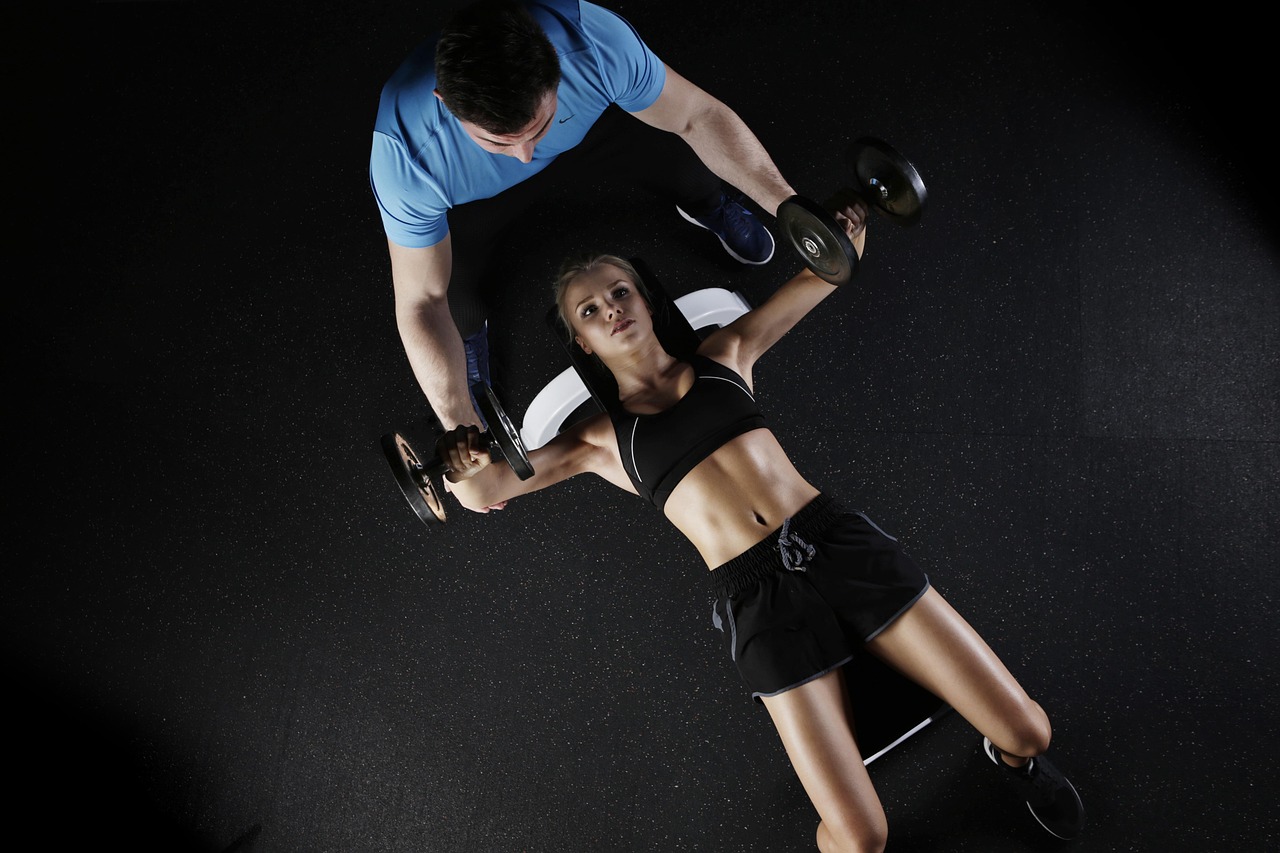
For those who have access to gym facilities, the bench press is among the most effective strength exercises for building upper body strength. This movement targets the chest, shoulders, and triceps, providing a compound exercise that can form the basis of any strength training routine. Begin by lying flat on a bench with your feet firmly on the ground. Grip the barbell with your hands slightly wider than shoulder-width apart, lower it slowly to your chest, and then push it back up to the starting position. Ensure proper technique to avoid shoulder injuries; keeping your elbows at a forty-five-degree angle helps. Aim for three sets of eight to twelve repetitions, adjusting the weight according to your experience level. Executing the bench press provides serious strength gains that translate well to various sports activities. As a busy professional, maintaining a consistent routine with the bench press can be a key component of your fitness journey, helping you meet strength goals effectively. Remember to have a spotter for added safety when working with heavier weights.
7. Dumbbell Rows
Dumbbell rows are exceptionally beneficial for busy individuals looking to enhance back strength and overall functionality. They target the upper and lower back, helping to counteract the effects of prolonged sitting. To perform a dumbbell row, stand with your feet shoulder-width apart, and hold a dumbbell in one hand. Bend slightly at the hips and knees, maintaining a flat back. Pull the dumbbell towards your hip while keeping your elbow close to your body, then lower it back down. This exercise can also be performed using both arms for a dual dumbbell row if desired. Aim for three sets of eight to twelve repetitions per arm. Dumbbell rows can easily be incorporated into a busy lifestyle, as they require little space and minimal equipment. These exercises can also be integrated into superset routines, allowing for a highly efficient workout. Adding dumbbell rows to your strength training can significantly improve your posture and upper body strength. This makes a great impact on overall fitness, making it a valuable exercise for professionals with packed schedules.