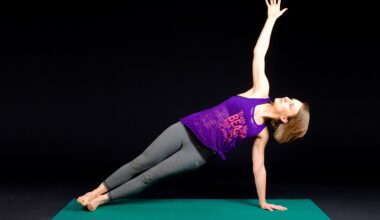

The Ultimate Guide to Stretching for Bodyweight Exercises
Bodyweight exercises are an incredible way to build strength, flexibility, and endurance. However, stretching plays an equally vital role in ensuring optimal performance. By integrating stretching into your routine, you enhance your range of motion, prevent injuries, and improve your overall workout experiences. Stretching before and after workouts prepares your muscles, reduces soreness, and enhances recovery. Among all types of stretching, dynamic stretching is especially crucial before bodyweight exercises. This practice involves controlled movements that warm up the muscles and joints. Examples of effective dynamic stretches include leg swings, walking lunges, and arm circles. Performing these exercises increases blood flow, ensures the muscles are flexible, and makes your body ready for more intense activities. Moreover, it helps prevent injuries associated with sudden muscle contractions. Always focus on smooth and controlled movements during dynamic stretching. After completing your workout, static stretching should become a priority. This involves holding stretches for 15 to 60 seconds to improve flexibility and relaxation. Incorporating both dynamic and static routines will transform your approach to bodyweight exercises while maximizing your effectiveness and comfort.
Essential Dynamic Stretches Before You Start
Dynamic stretches are essential for warming up muscles before engaging in bodyweight exercises. They help increase blood flow, flexibility, and range of motion, making them vital for an effective workout routine. Warm-up routines that include dynamic stretches can significantly improve performance and reduce the risk of injuries during exercises. Incorporating high knees is one way to enhance mobility and engage core muscles effectively. Leg swings can also promote improved leg circulation and hip flexibility. Arm circles not only warm up your shoulders but also increase upper body readiness. Additionally, consider including torso twists to engage the spine and facilitate core activation. These movements can be done for 30 seconds each, ensuring an effective warm-up session. Aim for at least 5 to 10 minutes to prepare your body adequately for what’s ahead. Always ensure movements feel comfortable and controlled to avoid overstretching. Remember, the goal is to gently activate as many muscle groups as possible rather than exhausting them. Incorporate various movements to keep the warm-up dynamic and enjoyable, setting yourself up for a successful workout session.
After a workout, static stretches become extremely important for recovery and muscle relaxation. They help to lengthen tense muscles, improve flexibility, and promote overall well-being. Consider holding each stretch for at least 15 seconds to provide optimal benefits. For the hamstrings, a seated toe-touch stretch is excellent to target tightness effectively. Additionally, a quadriceps stretch pulls your foot towards your glutes, aiding in lengthening the front of your thighs. The butterfly stretch can significantly open up the hips and groin area. Moreover, to target the back, seated spinal twists engage and lengthen the spinal cord, promoting a feeling of release and comfort. Ensure that you breathe deeply while performing static stretches to enhance relaxation and effectiveness. Always focus on gentle, controlled movements, holding each position without bouncing to avoid injury. An excellent post-workout routine that incorporates these static stretches will not only enhance recovery but will also contribute to long-term flexibility gains. Integration of regular stretching improves performance in future workouts while keeping your body healthy, balanced, and strong through your bodyweight training journey.
Listening to Your Body
Listening to your body is critical when it comes to stretching. Every individual’s body responds differently to various stretches and workouts, so understanding your needs is essential. Monitoring how your muscles feel during stretching ensures that you’re not overstretching or causing injury. It’s important to distinguish between mild discomfort during a stretch versus sharp pain, which may signal an injury. Consider taking a moment to evaluate your current flexibility limits before you proceed with stretches. This awareness will guide your routine effectively, helping you to set realistic goals for increasing flexibility and strength. If you experience excessive tightness or discomfort in a particular area, spend additional time working on those specific muscles. Over time, incorporating consistency into your routine will maximize benefits, allowing gradual improvements in flexibility. Make adjustments based on how your body feels each day, as fatigue or tension can vary from one workout to another. A flexible stretching routine tailored to your personal needs will go a long way in enhancing your bodyweight exercise performance while keeping you safe.
Incorporating breath with stretches can enhance the effectiveness of your practice significantly. Proper breathing techniques during stretching allow for more extended holds and improved relaxation. When stretching, aim for deep, diaphragmatic breaths that engage your core while expanding your lungs fully. Inhale deeply through the nose as you prepare to stretch, then exhale slowly to help release any tension from the muscles. This connection between breath and movement facilitates a greater mind-body connection, creating more significant benefits during your bodyweight training sessions. Utilize breathing techniques particularly during static stretches, as this promotes relaxation and focus. As you deepen your breath, aim to sink further into the stretch, enhancing flexibility over time. Moreover, sustained breathing can help shift your mindset into a relaxed state, allowing for better performance during workouts. Pay attention to how the rhythm of your breath changes as you move through your stretches. Over time, you will notice improvements not only in your flexibility but also in your ability to maintain composure during challenging bodyweight exercises. Mindfulness in movement can lead to an overall enhanced workout experience.
Consistency is Key
To achieve meaningful improvements, consistency in your stretching routines is paramount. Just as you commit to regular bodyweight exercises, equally prioritize your stretching practice. Aim to integrate both dynamic and static stretching for a well-rounded approach to flexibility. Incorporating stretching into your daily routine can significantly improve your overall fitness outcomes. The goal isn’t to achieve perfect flexibility overnight but rather to focus on gradual, steady progress. Keep a stretching log to track your improvements and ensure you’re addressing all major muscle groups. Consistency does not mean you have to spend a massive amount of time; just 10 to 15 minutes daily can create significant benefits over the long term. Variability is crucial; try different stretches or sequences occasionally to keep your practice engaging. Find what works well for you, and allow your body to adapt naturally over time. This commitment will reduce muscle tightness, improve performance, and support faster recovery. Additionally, be sure to include variety, as this will prevent monotony and continuously push your limits as you document your progress.
Lastly, integrating technology into your stretching routines can provide valuable insights and improvements. Many fitness apps offer guided stretching routines that are suitable for varying skill levels. Utilizing these resources ensures you implement proper techniques and avoid common mistakes. Moreover, following tutorials can enhance your posture and stretching techniques significantly. Consider chronicling your progress through measurement tools or apps, providing visual feedback. Utilizing reminders can also ensure you stay consistent with stretching practices. Some apps even provide videos that allow you to perform stretches in sync with professional demonstrations. Incorporating these digital tools brings an enjoyable aspect to your routine and helps you stay motivated. By diversifying your approach, you can maintain excitement while ensuring you’re addressing all essential muscle groups. Technology can break barriers in your stretching journey, assisting your growth and development. With the combined efforts of technology and dedicated practice, you can maximize your bodyweight exercise routine. Ultimately, the decisions and habits you create today lead to your future fitness success.