
The Importance of Zinc and How Vegetarians Can Obtain It
Zinc is an essential mineral that plays several crucial roles in the body, particularly for vegetarians. It is vital for immune function, protein synthesis, wound healing, and DNA synthesis. Unlike those who consume meat, vegetarians often face challenges in obtaining sufficient zinc due to its lower bioavailability in plant-based foods. This factor makes it necessary for vegetarians to choose food sources wisely and consider pairing them with practices that enhance absorption. Food sources rich in zinc include legumes, seeds, nuts, whole grains, and fortified cereals. While these foods can provide zinc, the presence of phytates in many plants can inhibit absorption. Therefore, methods such as soaking, sprouting, or fermenting whole grains and legumes can significantly increase zinc bioavailability. Additionally, vegetarians may incorporate zinc supplements into their diet after consulting with healthcare professionals. Understanding the importance of zinc for overall health is crucial, as deficiencies can lead to symptoms such as hair loss, diarrhea, and impaired immunity. This article aims to guide vegetarians on how to effectively include zinc in their diet to maintain optimal health.
In addition to legumes and nuts, another great source of zinc for vegetarians is whole grains. Whole grains like quinoa, brown rice, and oats can provide a good amount of zinc, but the presence of phytic acid in grains can interfere with absorption. To maximize zinc intake, pairing whole grains with vitamin C-rich foods can enhance mineral absorption. For example, adding bell peppers or citrus fruits to whole grain dishes can be beneficial. Another interesting source of zinc that is often overlooked by vegetarians is dairy products. Milk, cheese, and yogurt not only supply zinc but also provide protein and other essential nutrients. However, those following a strict vegan diet may need to focus on plant-based alternatives like fortified plant milks, which can also contain added zinc. Moreover, dark chocolate is a delicious way for vegetarians to increase their zinc intake while enjoying a treat. In essence, combining different zinc-rich foods and utilizing proper preparation techniques can effectively help vegetarians meet their dietary zinc needs.
It’s essential to recognize the symptoms related to zinc deficiency, particularly for vegetarians who may struggle to receive adequate amounts. Symptoms can include fatigue, sluggishness, weakened immunity, and more. Long-term deficiency may lead to more serious health issues, including stunted growth in children and complications in pregnant women. While ensuring adequate zinc intake is essential, it’s also important not to go overboard. Excessive zinc consumption can impair iron and copper absorption, which can create further health complications. This is particularly crucial for vegetarians since they often depend on non-heme iron from plant sources, which is already less bioavailable than heme iron found in animal products. Therefore, it’s advisable to explore varied sources of mineral intake, experiment with meal combinations, and stay informed about nutritional guidelines. Regular monitoring of one’s diet can be beneficial, especially alongside health professionals or nutritionists who can offer personalized advice tailored to individual needs and preferences. Awareness of dietary sources that can provide sufficient zinc is fundamental for maintaining a properly functioning immune system and overall well-being.
Vegan Alternatives to Boost Zinc Intake
For those following a vegan diet, it is essential to identify specific foods that can enhance zinc intake without relying on any animal products. There are several plant-based options that can satisfy daily zinc needs effectively. First on the list would be seeds, especially pumpkin seeds, which are not only rich in zinc but also in essential fatty acids. A handful of these seeds can provide a significant percentage of the daily recommended intake. Additionally, legumes are a fantastic choice, with lentils and chickpeas being particularly beneficial. They are versatile and can be incorporated into various dishes. Furthermore, it’s important to consider the addition of nutritional yeast. This ingredient is not only rich in vitamins, particularly B12 when fortified, but can also supply a decent amount of zinc. A simple sprinkle of it over popcorn or salads can greatly improve the nutrient density of meals. Lastly, incorporating wealthier sources of zinc, such as tempeh and tofu, can significantly contribute to a vegan diet’s mineral requirements while promoting overall health and sustainability.
An effective way to maximize zinc absorption is by balancing food intake throughout the day. For vegetarians, focusing on meal diversity and variety is crucial. Incorporating zinc-rich foods at each meal ensures that the body receives a steady supply, thus improving absorption and utilization. For example, a breakfast of oatmeal topped with nuts and seeds can jumpstart zinc intake early in the day. For lunch, a chickpea salad with vegetables and a citrus dressing can provide yet another boost. Dinner can feature quinoa and roasted vegetables to round out the day’s meals. Additionally, zinc can be enhanced by avoiding certain foods, such as those high in oxalates, which can interfere with absorption. It’s also recommended to keep a watchful eye on the overall nutrient balance, ensuring that zinc is complemented with adequate protein and carbohydrates. This holistic approach not only corrects mineral deficiencies, but promotes sustained energy levels via balanced macronutrients. Tracking intake and maintaining a thoughtful dietary approach will assist vegetarians in achieving health goals effectively in the long run.
The Role of Supplements
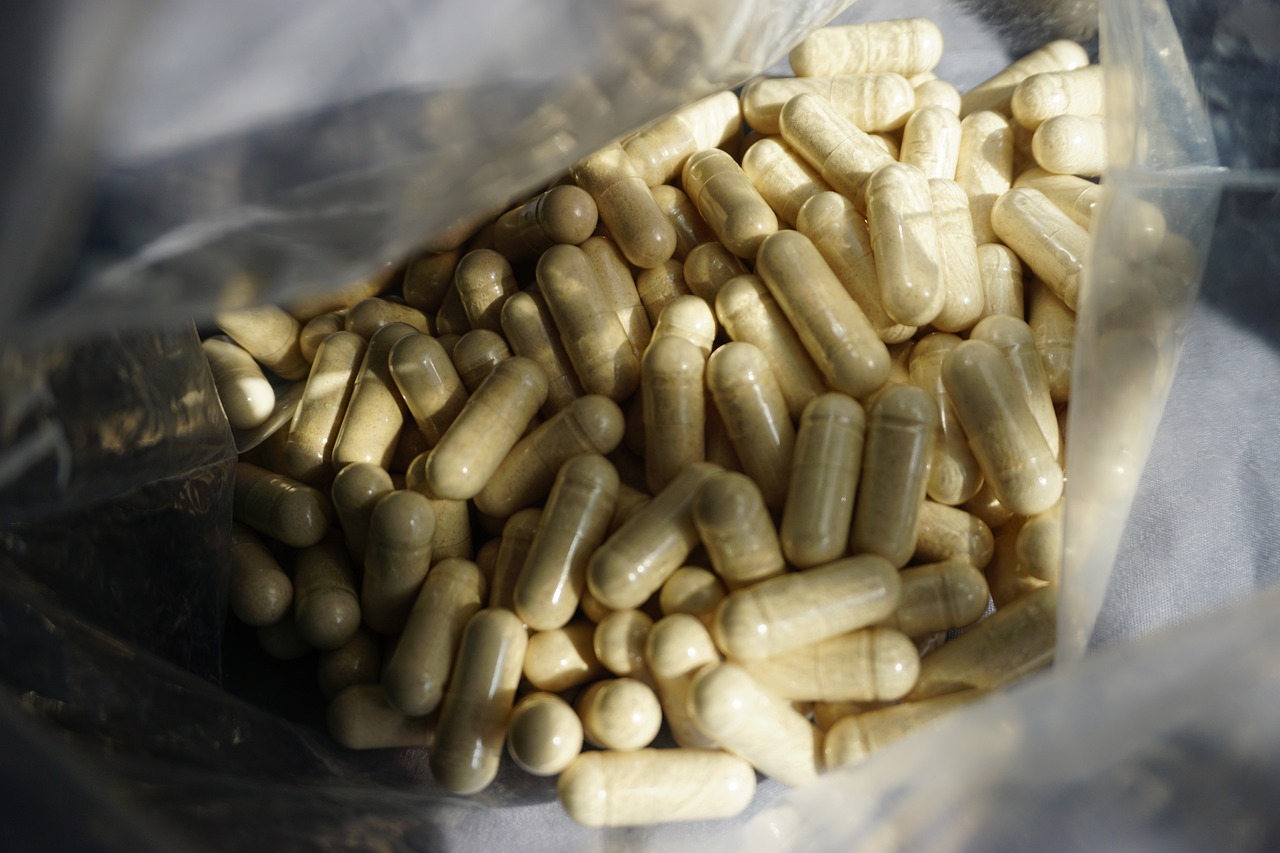
When dietary adjustments and food choices are not sufficient to meet zinc requirements, supplements may be a necessary consideration for some vegetarians. Zinc supplements come in various forms, including zinc gluconate, zinc sulfate, and zinc citrate, with varying levels of absorption. It’s critical to consult with a healthcare provider before beginning any supplement regimen, as they can evaluate individual needs and recommend appropriate dosages. Over-supplementation can lead to toxicity and adverse health effects, so it’s imperative to rely on professional guidance. Also, it’s wise to opt for supplements that are vegan-friendly if following a strict plant-based lifestyle. Consistent monitoring through regular check-ups can help determine levels of zinc and overall health status. It can be helpful to diversify supplement options, possibly combining a multi-vitamin that addresses other key nutrients as well. For those who prefer a natural approach, opting for food sources that are organic and minimally processed may also yield more bioavailable zinc. Ultimately, supplementation should serve as a complementary addition to a well-rounded diet rather than a complete replacement.
As with any aspect of diet, education on mineral needs is crucial. For vegetarians and vegans alike, staying informed about the nutrients necessary for a balanced diet can lead to improved decision-making regarding food choices. This knowledge empowers individuals to assess their eating habits and adapt them as needed to fulfill dietary requirements. Participating in cooking classes or workshops focused on plant-based cuisine can significantly enhance culinary skills while promoting a deeper understanding of nutrition. Online resources and communities can also serve as a valuable aid in discovering new recipes and products that go well with a vegetarian lifestyle. Advocating for nutritional awareness within personal circles or community forums can help gather more information and share knowledge effectively. Empowering oneself and others with understanding ultimately aids in mitigating the risk of nutrient deficiencies, which broadens one’s perspective toward health. Additionally, adopting a proactive approach in learning, combined with culinary experimentation and social encouragement, may inspire a deeper commitment to vegetarian or vegan diets that promote ethical and sustainable choices.
In conclusion, maintaining sufficient zinc intake is a critical component of a balanced vegetarian diet. By employing various strategies such as selecting zinc-rich foods, enhancing absorption, and utilizing supplements responsibly, vegetarians can successfully meet their dietary needs. Understanding the importance of zinc for immune and overall health will encourage better dietary choices and health outcomes. Through consistent education and awareness, vegetarians can navigate the challenges of obtaining sufficient minerals and nutrients to support their health. Regularly incorporating a diverse mix of foods, along with necessary supplementation, can lead to significant improvements in overall well-being. Sharing knowledge among peers about zinc and its sources can foster a more supportive environment for maintaining vegetarian diets. Ultimately, taking a multifaceted approach to diet that prioritizes mineral intake will help in achieving a balanced and sustainable vegetarian lifestyle while enjoying the numerous health benefits it brings. Empowering oneself through self-care and mindful eating practices will lead to informed dietary decisions and enhanced quality of life. Zinc may be just one mineral, but its impact on health is undeniably profound.