
The Importance of Fiber in Children’s Diets
Fiber is an essential component of a balanced diet for children. It plays a crucial role in maintaining digestive health and overall well-being. Including sufficient fiber in a child’s diet can prevent constipation, a common issue among kids. Fiber aids in keeping the digestive tract healthy by promoting regular bowel movements. Additionally, fiber can help prevent childhood obesity by enhancing feelings of fullness and reducing the likelihood of overeating. The digestion of fiber takes longer, which helps children feel satisfied and keeps their energy levels stable. Moreover, fiber-rich diets are linked to lower risks of chronic diseases such as heart disease and type 2 diabetes later in life. Parents should encourage their children to consume a variety of fiber sources, including fruits, vegetables, whole grains, and legumes. This not only helps with the immediate digestive needs but also contributes to long-term health. Teaching children about the importance of fiber can instill healthy habits early on, setting them up for a lifetime of good nutrition. Ultimately, integrating fiber into children’s diets is a vital step in fostering their growth and health.
Sources of Fiber
Including a diverse range of fiber sources is essential for promoting healthy eating habits among children. The following foods are excellent options to consider: whole grains, such as oats, brown rice, quinoa, and barley, provide substantial fiber content. Fruits are also rich in fiber; bananas, apples, and berries are particularly beneficial. Additionally, some vegetables, such as broccoli, carrots, and peas, are loaded with fiber. Legumes like beans, lentils, and chickpeas serve as another great source of fiber, offering both nutrition and protein. Incorporating a variety of these foods daily can help ensure children get sufficient fiber in their diets. It’s crucial to introduce these foods gradually, especially if children are not accustomed to high-fiber diets. This approach helps to minimize any digestive discomfort that may arise from rapid changes in fiber intake. Providing children with fun and interactive ways to prepare and enjoy fiber-rich foods can make them more appealing. Encourage children to try new recipes that include these ingredients, fostering curiosity and enjoyment in their eating experiences. Overall, a colorful and diverse fiber-rich diet can promote healthier eating habits for a lifetime.
The Benefits of Fiber for Kids
In addition to digestive health, fiber offers numerous benefits for children’s health. One significant advantage is weight management. High-fiber foods are often low in calories and help children feel full without overeating. This can be especially helpful in combating the rising rates of childhood obesity. Furthermore, fiber-rich diets can improve insulin sensitivity, which is essential for overall health and can help prevent type 2 diabetes. By stabilizing blood sugar levels, fiber can enhance children’s mood and concentration, thus supporting cognitive function. Fiber also helps in the absorption of essential nutrients by promoting a healthy gut microbiome, which is vital for overall health. A strong gut health foundation can support immune function, reducing the frequency of common illnesses. Children who consume adequate fiber may also experience lower cholesterol levels, contributing to long-term heart health. Moreover, introducing fiber in a child’s diet creates an opportunity for them to learn about nutrition and make healthier choices. Parents can use these benefits to motivate their kids to include more fiber-rich foods in their regular meals. By highlighting these advantages, families can work together to improve children’s dietary habits.
Tips for Increasing Fiber Intake
Increasing fiber intake in children’s diets doesn’t have to be challenging. Here are practical tips to make the transition smooth and enjoyable. First, start small by incorporating small amounts of high-fiber foods into existing meals. For example, add a handful of oats to smoothies or sprinkle seeds on cereal. Gradually replace white bread with whole grain options to up fiber intake without any drastic changes. Another effective strategy is to present fruits and vegetables in fun, appealing ways. Creative presentations, like fruit skewers or vegetable sticks with dip, can entice children to try new options. Involve kids in the meal preparation process, allowing them to choose and prepare foods rich in fiber. This engagement fosters a sense of ownership over their meals and encourages experimentation. Additionally, educate children about the importance of fiber, making it an exciting topic rather than a chore. Comment on the health benefits they may experience, like improved digestion and energy levels. Involving children in their dietary choices can lead to more positive attitudes towards fiber-rich foods, establishing stronger and healthier eating habits.
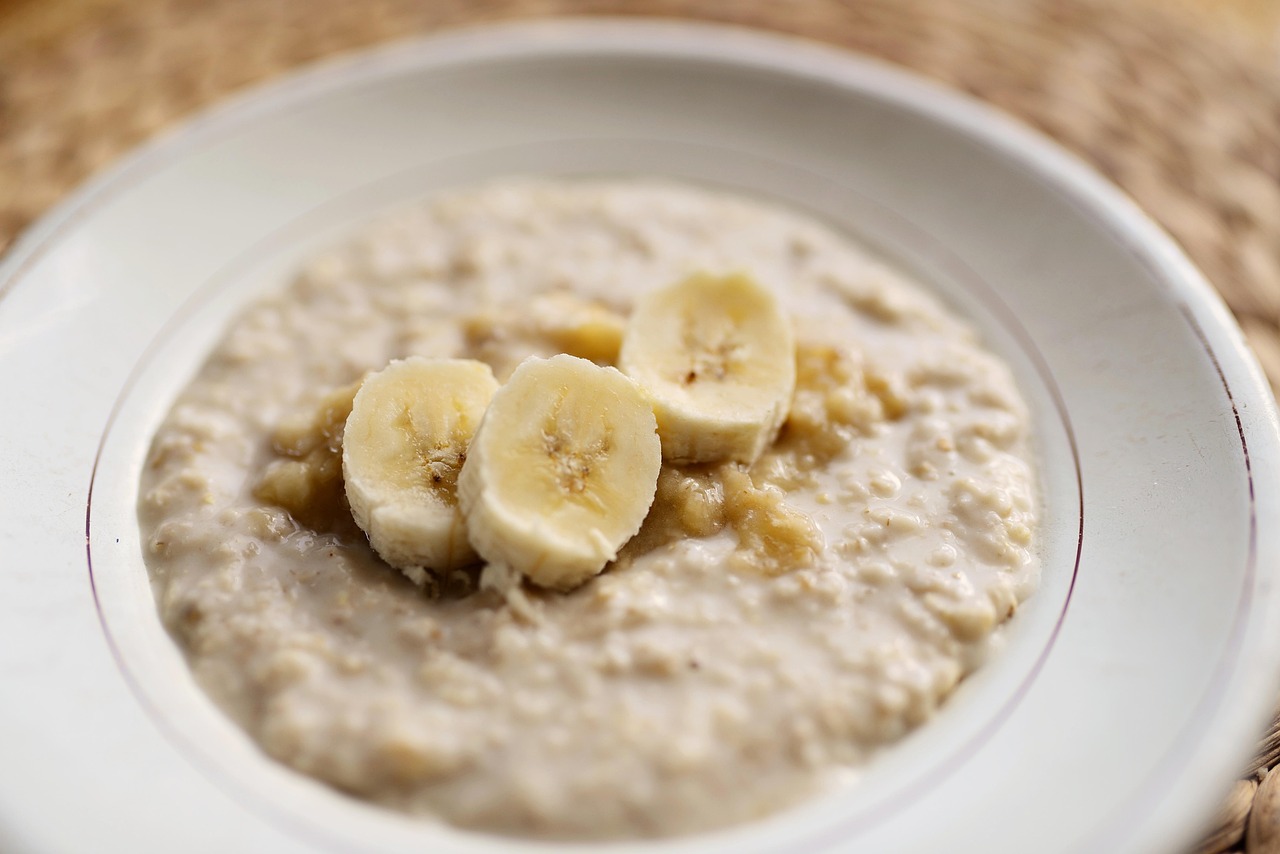
The recommended daily fiber intake for children varies by age, with younger kids needing approximately 19-25 grams per day. School-age children should consume about 25 grams, while teenagers may require up to 38 grams, depending on their activity level. To help children meet their fiber needs, it’s essential to monitor their diets intentionally. By spreading fiber-rich foods throughout each meal and snack, parents can promote consistent intake. For breakfast, serving whole grain cereals or oatmeal paired with fruit can boost fiber without overwhelming kids. For lunch and dinner, salads loaded with a variety of vegetables can be both appealing and nutritious. Including whole grain pasta or brown rice as sides is another great way to increase fiber. Encouraging healthy snacking is critical; options like raw vegetables, fruit, or whole grain crackers can ensure children receive adequate fiber throughout the day. Families should share experiences about fiber-rich foods or engage in meal prep together, promoting a positive relationship with food. Over time, children will adapt to these fiber-rich choices, developing lifelong habits that promote their health, well-being, and longevity.
Conclusion: Emphasizing Fiber Benefits
In conclusion, emphasizing the importance of fiber in children’s diets is paramount for fostering their health. Not only does fiber support digestive health, but it also plays a role in weight management, chronic disease prevention, and cognitive function. Parents are encouraged to actively involve their children in meal planning, providing guidance and education on why fiber is essential for growth and development. By introducing a wide variety of fiber-rich foods, families can create exciting and balanced meals that encourage healthy eating habits. Meal preparation can be a perfect opportunity to foster creativity in the kitchen while ensuring that children enjoy nutritious options that benefit their bodies. Furthermore, addressing any potential concerns about transitioning to a higher fiber diet will help alleviate discomfort or reluctance. Encouraging kids to stay hydrated is equally important, as water intake helps facilitate fiber’s benefits within the digestive system. Parents should regularly discuss the positive impacts fiber can have on overall health and how it relates to their everyday lives. Ultimately, the journey to a healthier diet that includes fiber can be an exciting and rewarding experience for both children and parents.
Taking proactive steps to ensure children consume adequate fiber can set the foundation for a healthy lifestyle. When children understand the significance of fiber and how it impacts their daily lives, they are more likely to embrace healthy eating habits. Parents and guardians can be the guiding force in educating their children about nutrition. This journey towards better dietary choices should be approached with positivity and encouragement rather than restrictions. The inclusion of fiber offers children the ability to thrive, both physically and mentally. Therefore, cultivating an interest in fiber-rich foods from an early age will likely positively influence their food preferences throughout life. The goal of fostering healthy habits must be combined with delicious recipes and family involvement. Children should have fun engaging with foods and learning about how different ingredients can impact health and well-being. A better understanding of nutrition will help them in making informed dietary choices even as they grow older. In summary, fiber plays an essential role in children’s diets, not just for physical health but as a lifelong tool for maintaining balanced nutrition and well-being.