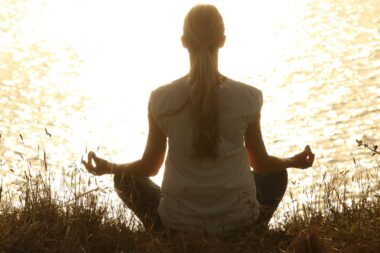

The Balance of Body, Mind, and Spirit in Yoga Philosophy
Yoga philosophy teaches the profound connection between the body, mind, and spirit. This triad is essential for achieving a harmonious life that encourages well-being and personal growth. Practitioners of yoga learn that by nurturing each aspect, they can enhance their overall existence. An important concept in yoga is that the body must be strong and flexible. This strength allows for better posture and alignment, essential for meditation and other practices. Your mind also plays a crucial role in this balance. A focused and calm mind can increase self-awareness and reduce distractions. When the mind is at peace, practitioners can experience deeper spiritual connections. Finally, nurturing the spirit can lead to a fulfilling sense of purpose. Many yogis find that through spiritual practices, such as meditation, they cultivate a connection with their true selves. This spiritual aspect often intertwines with community support and the sharing of experiences, leading to personal transformation. Embracing this philosophy requires commitment but leads to a more balanced existence. The journey of self-discovery in yoga is lifelong, leading to ultimate harmony for every individual.
Understanding the Triad of Balance
To truly grasp the intricacies of yoga philosophy, one must delve into the triad of body, mind, and spirit. Each element contributes significantly to one’s overall balance and well-being. The body is the vessel through which experiences are gained and wisdom is cultivated. By engaging in postures or asanas, individuals enhance physical stamina and flexibility. These practices not only improve health but also prepare the body for meditation. Moreover, the mental aspect of yoga involves controlling thoughts and emotions. Tranquility of mind allows for clarity of thoughts, leading to better life choices. Practitioners may use various techniques, such as breath control or meditation, to achieve mental peace. Spirituality ties these two elements together, fostering a sense of belonging in the universe. Many yoga practitioners sense an inner calling or higher purpose, prompting them to seek deeper understanding through practices. Ultimately, cultivating balance among these three areas can lead to holistic wellness. Developing this balance requires dedication, as well as a willingness to face personal challenges along the way. The journey is unique for everyone but remains universally rewarding.
Integrating yoga philosophy into daily life offers transformative potential. Daily practices can solidify the principles of balance within the triad, enriching life significantly. For instance, setting aside time for asanas can improve physical strength. Additionally, this practice encourages mindfulness, helping the mind remain present and focused. Once practitioners learn how to still their minds, they find it easier to navigate challenges. Spiritually, incorporating gratitude practices can enhance awareness of life’s blessings. Simple acts, like journaling or reflection, help individuals appreciate present moments. Achieving this trifecta requires consistent commitment and patience. As practitioners engage in their yoga journey, personal growth becomes noticeable over time. Many find themselves more connected with their hearts and their surroundings. They may sift through their emotions, uncovering hidden truths and shedding light on the deeper aspects of their lives. As such, the practice of yoga not only includes physical activity but becomes a means of personal expression and exploration. Ultimately, the essence of yoga philosophy enables individuals to lead a balanced life, deeply rooted in self-love, acceptance, and spiritual growth. Embracing these principles can profoundly impact one’s path.
The Role of Meditation in Yoga Philosophy
Meditation serves an essential purpose within yoga philosophy, acting as a conduit for achieving balance. This practice allows individuals to silence the mind and connect with their inner selves. During meditation, the transition from the chaos of daily life to the tranquility of the inner self becomes apparent. Participants find that this transition fosters self-awareness, allowing deeper understanding of thoughts and emotions. Meditation encompasses various techniques, including mindfulness and visualization, each promoting different aspects of growth. Mindfulness practices help individuals stay grounded in the present, while visualization techniques may assist in manifesting desired outcomes. These practices not only heal the mind but empower individuals to engage with their spiritual side. While meditation takes time to master, its rewards are profound. By committing to regular practice, individuals report improved clarity in their thoughts and a greater sense of belonging. Furthermore, meditative practices are adaptable, meaning they can be tailored to resonate with different individuals’ needs. Creating a sanctuary for meditation in your life is crucial to experiencing these benefits fully. Truly, it helps in uniting the body, mind, and spirit, leading to overall contentment and joy.
In conclusion, the balance of body, mind, and spirit in yoga philosophy offers a comprehensive approach to well-being. By recognizing the significance of each element, practitioners can unlock the potential for personal transformation. As bodies become stronger through physical practice, mindfulness creates a clearer mental state. This process encourages spiritual exploration, fostering a deeper understanding of one’s purpose and connection to the universe. Over time, these practices can lead to an inner peace that permeates daily life. Challenges will arise, but utilizing the tools from yoga philosophy provides resilience and strength. The teachings emphasize that the journey is just as important as the destination. Each practitioner’s path varies; therefore, adaptability plays a crucial role in maintaining balance. Joining a community or finding support can make this process enjoyable and meaningful. One’s experience can be enriched through shared stories and practices, allowing for collaborative growth. This sense of belonging can deepen spiritual insights as individuals explore their journey together. Ultimately, integrating yoga philosophy in daily routines is a pathway to achieve harmony, joy, and fulfillment in life. Those who embrace this philosophy should observe an enhanced quality of life.
Living the Yoga Philosophy
Practicing yoga philosophy is more than merely executing postures; it involves embodying a lifestyle rooted in balance. One begins to live the teachings of yoga by integrating its principles into everyday actions. For instance, the practice of mindfulness can extend beyond the mats—weaving daily awareness into mundane activities. Simple actions, such as eating, walking, or speaking become opportunities for conscious engagement. By doing so, practitioners cultivate deeper connections and a sense of gratitude for life. It’s equally important to foster connection with others as they walk their unique paths. Sharing experiences and insights can significantly enhance personal growth, facilitating a supportive environment. Moreover, maintaining a compassionate attitude towards oneself fosters self-acceptance, an essential aspect of yoga philosophy. Challenges may test one’s patience, but embracing these tests provides an opportunity for growth and healing. Additionally, one can extend this compassion to others, promoting understanding and acceptance in the community. As individuals live by these principles, a ripple effect occurs, positively impacting those around them. Ultimately, living yoga philosophy creates a fulfilling life that resonates with purpose and connection to the greater whole.
The journey of discovering the balance of body, mind, and spirit through yoga philosophy is both profound and enriching. Individuals are encouraged to explore their unique paths, emphasizing that consistency and commitment yield long-term rewards. Yoga offers tools that evolve as practitioners deepen their understanding. Trying different approaches, from physical postures to meditation, helps individuals identify what resonates with their unique needs. Exploring these facets proves essential for personal growth and transformation. Beyond just individual practice, cultivating a sense of community allows individuals to share experiences and perspectives. The diversity of experiences offers countless insights into the practice of yoga. Each practitioner plays a vital role in creating a welcoming space for growth. As one embraces this philosophy, it becomes evident that balance doesn’t imply perfection but rather acceptance of life’s ebbs and flows. The harmony achieved fosters resilience, empowering individuals to navigate life’s challenges gracefully. In summary, integrating yoga philosophy leads to a more harmonious and fulfilling life. Those who immerse themselves in these teachings discover a pathway to genuine transformation, cultivating inner peace and joy that resonates with their surroundings.