
Telehealth and Remote Fitness Coaching for Older Adults
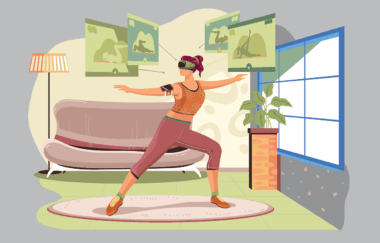
As the population ages, innovative technology is becoming increasingly vital to support fitness and health amongst older adults. Telehealth and remote fitness coaching present unique opportunities to enhance wellness, allowing seniors to participate in structured exercise regimens without the constraints of traditional settings. For homebound individuals, technology provides a critical link to fitness resources, helping them stay active and socially engaged. Virtual platforms can connect seniors with trainers, nutritionists, and wellness coaches via video conferences, ensuring personalized attention tailored to their specific needs. These interactions can be designed to cater to varying levels of physical ability, offering inclusive and adaptive fitness solutions. Assessments can be conducted through telehealth visits, where fitness professionals can monitor progress closely, adjusting programs as necessary. Utilizing mobile apps also empowers seniors to track workouts, nutrition, and wellness goals. The convenience of remote coaching makes it easier for senior adults to incorporate exercise into their daily routines. By leveraging technology, older adults can break down the barriers to fitness, enhancing their strength, flexibility, and overall quality of life. Ultimately, technology serves as a bridge to sustainable health in our aging population.
Remote fitness coaching offers a range of benefits that directly address the unique challenges faced by older adults. Not only does it foster a flexible workout schedule, but it also enhances the accessibility of fitness programs. Seniors can engage with specially designed fitness routines that cater to their physical capabilities from the comfort of their homes. The use of technology allows them to participate in classes and sessions that maintain physical and mental engagement. A consistent fitness routine is crucial for seniors, as it helps in preventing health issues and managing existing conditions. Additionally, remote coaching fosters a sense of community, as many programs incorporate group sessions, enabling social interaction, which is essential for mental well-being. Regular engagement with peers through virtual platforms can relieve feelings of isolation and promote motivation. Moreover, trainers equipped with the appropriate technology can provide real-time feedback and adapt exercises immediately. This responsiveness not only ensures safety but also maximizes the effectiveness of each session. Engaging with a community of fellow seniors demonstrates solidarity while facilitating guidance and encouragement. Thus, remote coaching merges physical fitness with social connectivity, showing that technology can enhance the overall wellness of aging populations.
Implementing Technology in Senior Fitness
To effectively implement technology aids in senior fitness, it is essential to focus on user-friendly platforms that are easily navigable for older adults. Many seniors may not have prior experience with technology, thus accessibility plays a significant role in their engagement with fitness programs. Simple interfaces designed for older users enable smoother interaction during workouts. The first step involves selecting reliable telehealth platforms, which ensure secure connections and provide intuitive layouts. Several fitness apps have emerged tailored specifically for seniors, featuring varied levels of workouts, catering to all abilities. Additionally, many apps offer customizable features, enabling seniors to tailor their fitness experience based on their personal preferences and goals. Device compatibility is also critical, as ensuring that remote coaching can be accessed via smartphones, tablets, or computers broadens usability. Video conferencing tools like Zoom or Google Meet have gained popularity, providing platforms for live interactions between trainers and participants. Fitness wearables that track heart rates, calories burned, and step counts can further motivate seniors to stay active. Emphasizing the importance of education, trainers can host instructional sessions to familiarize seniors with the technology, ensuring confidence and ease in using electronic resources for fitness.
Moreover, building a strong support system around older adults is essential when integrating technology into their fitness routines. Family members and caregivers can play an instrumental role in encouraging seniors to adopt new technologies and aiding them in overcoming initial apprehensions. Encouragement can come in various forms, such as joining them during online workouts or assisting in navigating apps. Communities can also help bridge gaps, providing group sessions and resources for seniors to explore technology together. Creating online forums where seniors can share experiences and tips enhances connection and fosters community spirit. Successful fitness journeys benefit from collective support, enabling seniors to bond over shared goals and progress. Understanding the features of different platforms ensures seniors feel empowered rather than intimidated by technology. By establishing routines, maintaining accountability among peers, and celebrating achievements, the likelihood of sustained engagement increases. Furthermore, involving healthcare professionals in discussions about tech-related fitness can enhance credibility and trust, making seniors more receptive to exploring these resources. A supportive environment creates a foundation for consistent fitness participation and builds confidence in using the technology available to them.
Challenges of Remote Fitness
Despite the many advantages, some challenges regarding technology in senior fitness should be addressed. One major concern is the digital divide, which highlights disparities in access to technology among older populations. Not every senior adult has access to high-speed internet or modern devices, which creates barriers to participation in remote fitness programs. This issue can be exacerbated for those living in rural or low-income areas, where resources may be limited. Additionally, some seniors may experience skepticism or anxiety about using new technology, leading to reluctance to engage. Technology literacy varies significantly, and caregivers need to bridge this gap by providing assistance and encouragement. Moreover, the virtual nature of remote coaching can diminish personal connection, as some seniors may benefit more from face-to-face interaction. This absence of physical presence can lead to feelings of isolation, even while participating in group sessions online. Trainers must find ways to establish rapport through screens effectively. Solution efforts must focus on creating inclusive programs, addressing access limitations, and recognizing different comfort levels with technology. By working collaboratively, the fitness community can overcome these obstacles, ensuring that physical wellness remains achievable for all seniors.
As technology continues to evolve, integrating wearables into senior fitness practices presents exciting potentials and innovations. Devices like fitness trackers and smartwatches monitor health metrics in real-time, providing valuable data about daily activity levels, sleep patterns, and overall health. This information can be advantageous when combined with remote fitness coaching. For instance, trainers can analyze a participant’s activity levels and adjust workout plans accordingly to promote safety and effectiveness. Wearables also encourage a degree of personal accountability, empowering seniors to take charge of their fitness journey actively. Additionally, some devices feature reminders for hydration and movement, promoting a more holistic approach to wellness. Community features, where friends or caregivers can connect through the device, can enhance support and motivation among seniors. As the acceptance of technology grows, collaboration between fitness professionals and tech developers will foster designs specifically for older adults, enhancing usability and relevance. Training sessions can be tailored around the data collected from wearable devices, allowing seniors to see tangible progression over time. Thus, integrating wearables within remote coaching may lead to greater adherence to fitness regimens while enhancing health outcomes overall for seniors.
Conclusion
In conclusion, telehealth and remote fitness coaching offer transformative possibilities for older adults striving for improved health and well-being. These technologies provide not only convenience but also foster a much-needed sense of community among seniors. While challenges exist, the potential benefits far outweigh the obstacles, provided that innovative solutions are implemented. Equipping seniors with the necessary tools and support to navigate the digital landscape is crucial. As newer technologies emerge, they can significantly enhance the quality of life by promoting physical health, maintaining social engagement, and empowering older adults. Moreover, ongoing education and support systems will encourage seniors to embrace technology as a viable aid in their fitness endeavors. Stakeholders, including fitness experts, technology developers, and healthcare providers, need to collaborate to create accessible platforms catering to the unique needs of older individuals. This joint effort can facilitate more engaging experiences for seniors, ultimately leading to healthier lifestyles through technology. By embracing telehealth and remote coaching, society as a whole will be one step closer to ensuring that aging individuals remain active, healthy, and connected, thus nurturing dignity and independence in later life.
Ultimately, fostering a culture of health and wellness among older adults requires an open mindset toward technology and its evolving role in fitness. The intersection of fitness and aging can be greatly enhanced through innovative applications of telehealth solutions while ensuring inclusivity and accessibility for all. As seniors continue to embrace these changes, the landscape of fitness will evolve to meet their specific needs. Continued research, feedback, and user experiences will lead to further advancements, encouraging regular exercise, better health outcomes, and enriched lifestyles. Health practitioners, fitness coaches, and technology innovators must remain dedicated to this vital mission, striving to cultivate environments supporting active senior living. Together, we can redefine aging through the lens of fitness and technology, steering clear of traditional notions that often link aging to decline or inactivity. Embedding fitness within the daily fabric of older adults’ lives illustrates that health is indeed achievable at any age. By leveraging technology in partnership with health guidance, we can create a healthier, more engaged older generation equipped to lead fulfilling lives and navigate the challenges of aging with grace and resilience.