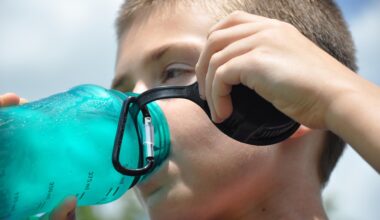

Hydration and Sleep: How Fluid Intake Affects Recovery
Understanding the connection between hydration and sleep is crucial for recovery. Adequate fluid intake not only impacts physical performance but also profoundly affects the quality of your sleep. When your body is dehydrated, it may lead to discomfort during the night, causing interruptions in sleep cycles. Consuming sufficient water before bed aids in maintaining optimal physiological processes that promote sleep. However, it’s essential to balance liquid intake, so you don’t wake frequently to use the bathroom. Maintaining hydration throughout the day contributes to a more restful night. Hydration can also help with thermoregulation, which is essential during sleep. A well-hydrated body can maintain a consistent temperature, ensuring deeper and uninterrupted sleep phases. Moreover, drinking enough fluids can assist in alleviating stress and anxiety, improving overall well-being. Therefore, monitor your liquid intake, aiming for balanced hydration throughout the day. Selecting hydrating foods, such as fruits and vegetables, can also help maintain hydration levels. Ultimately, understanding your body’s unique needs will enable you to optimize both hydration strategies and sleep hygiene, contributing to effective recovery and performance outcomes.
To achieve better sleep quality, focus on the varieties of fluids consumed. Not all beverages are created equal; some can enhance sleep, while others interfere significantly. For instance, beverages high in caffeine, such as coffee and energy drinks, may lead to increased alertness, causing difficulty falling asleep. Conversely, herbal teas such as chamomile or peppermint can promote relaxation and aid in sleep preparation. Hydration plays an integral role in the body’s physiological functions; it is vital to consider how the timing and types of fluids affect sleep quality. Aim to minimize caffeine and alcohol intake in the hours leading up to bedtime. Alcohol may initially induce drowsiness but disrupts sleep cycles later in the night. Balanced hydration should include water-based beverages, and adjustments should be made depending on activity levels. Replace sugary drinks and sodas with hydrating alternatives to prevent hydration-related sleep disturbances. Keep in mind that hydration is only one element of sleep health; combining good hydration practices with effective sleep hygiene will achieve optimal recovery and performance. Consider creating a personalized hydration schedule that aligns with your sleep habits.
The Impact of Dehydration on Sleep
Dehydration can severely impact sleep quality and overall recovery. Studies show that insufficient fluid intake can lead to increased wakefulness during the night. When the body experiences dehydration, it often signals discomfort that disrupts sleep patterns. For instance, dry mouth or nasal passages can cause coughing and throat irritation, leading to multiple awakenings. Additionally, dehydration affects mood, resulting in anxiety and difficulty relaxing before sleep. As sleep is vital for physical recovery, ensuring adequate fluid intake is essential both before and during intense training sessions. To mitigate these effects, it’s essential to monitor your hydration status. Simple indications such as urine color can provide insights into hydration levels; pale yellow signifies appropriate hydration. Athletes and fitness enthusiasts should prioritize fluid intake, especially when engaging in rigorous activities that promote sweat loss. Regular hydration check-ins throughout the day can help maintain balance so that the body can effectively recover during rest periods. Create a strategy to address hydration needs, leveraging tools like water bottles or hydration reminders to optimize daily intake so that sleep improves as a result of that focus.
Sleep hygiene practices should encompass hydration strategies tailored for individual needs. As hydration plays a significant role in sleep quality, aligning fluid intake with personal routines can enhance recovery efforts greatly. Establishing a hydration routine, where fluids are consumed consistently throughout the day, can prevent nighttime awakenings due to thirst or discomfort. Examples of such strategies include carrying a refillable water bottle or scheduling regular hydration breaks. In addition, the role of nutrition in enhancing hydration should not be ignored. Foods with high water content can play a vital role in meeting daily hydration needs. Incorporating fruits such as watermelons, cucumbers, and oranges can significantly boost your hydration levels. Similarly, broths and soups make excellent choices for hydrating meals. Consider timing these hydration-rich foods effectively throughout the day, allowing your body the necessary resources to recover during sleep. Limit fluid consumption a few hours before bedtime to avoid waking up to relieve your bladder. Combining smart food choices with hydration routines helps achieve a more restful night’s sleep, significantly impacting recovery and performance outputs for athletes.
Hydration Tips for Better Sleep
Incorporating effective hydration tips can drastically improve your sleep. Firstly, set a goal for daily fluid intake, aiming for at least eight glasses of water per day. Individual needs may vary, but this serves as an excellent baseline for maintaining hydration. Next, drink small amounts frequently rather than large quantities all at once. This promotes better absorption and minimizes the risk of feeling bloated. Additionally, consume hydrating foods as part of meals or snacks, enhancing not only hydration but also nutrition overall. It’s beneficial to replace high-sugar drinks with infused water or herbal teas that not only hydrate but also support relaxation. Create a pre-bedtime ritual around preparing for sleep that includes a calming beverage. As the body winds down, the choice of a caffeine-free tea can signal your body it’s time for rest. Remember to assess individual tolerance levels; some may require more or less fluid throughout the day. Lastly, make adjustments according to physical activity levels and environmental conditions to ensure your body remains optimally hydrated, enabling restful sleep and supporting recovery processes during the night.
Tracking hydration can elevate awareness regarding consumption patterns that influence sleep. Keeping a hydration journal may help identify trends that correlate with sleep quality. In such a journal, note beverages consumed throughout the day alongside sleep patterns. This record can help gauge potential dehydration issues or overconsumption leading to disturbances. Monitoring how different fluids impact sleep can inform future hydration practices. Engaging apps or devices that assist with tracking can motivate better hydration habits. Moreover, consider utilizing reminders or alarms that prompt fluid intake at regular intervals. Such proactive strategies can eliminate forgetfulness regarding hydration, especially in busy schedules. Also, ensuring easy access to water during the day can tremendously enhance hydration habits. Invest in a practical water bottle and keep it visible. Engaging family members or workout partners in hydration goals can provide accountability and enhance motivation. Not only does proper hydration contribute to sleep quality, but it enhances recovery and performance during workouts. Connecting hydration levels to sleep patterns provides a holistic perspective on health, stimulating sustainable improvements in both sleep and overall fitness.
Conclusion
In conclusion, effective hydration is vital for quality sleep and recovery. Understanding the impact of fluids on physical performance is essential for athletes and fitness enthusiasts alike. As emphasized throughout this article, hydration directly influences sleep cycles, mood, and recovery success. Strategies for maintaining proper hydration while also focusing on sleep hygiene can create a synergistic effect that enhances overall well-being. By implementing the tips shared, one can effectively optimize hydration throughout the day while ensuring better sleep at night. Combining thoughtful fluid choices with good nutrition and hydration practices establishes a strong foundation for performance and recovery. Remember to monitor hydration levels closely and adjust for individual needs. With awareness and proactive strategies, you can achieve a balance between hydration and sleep optimization, leading to improved recovery and overall performance. Make sure to integrate hydration routines seamlessly into daily life, where they become habits that support health. In this modern age of well-being, understanding how essential hydration is for restful sleep can significantly enhance recovery efforts and promote a healthier lifestyle for every individual striving for peak performance.