
How Much Water Should You Drink Every Day? A Comprehensive Guide
Understanding daily water requirements is crucial for maintaining optimal health. Most experts suggest that adults should aim for at least eight 8-ounce glasses of water a day. This is known as the “8×8 rule” and is easy to remember. However, individual water needs can vary based on several factors, including age, gender, physical activity, and overall health. For instance, active individuals generally require more water to replace fluids lost during physical exertion. Additionally, women who are pregnant or breastfeeding also have increased hydration needs. It’s important to note that fluid intake doesn’t only come from beverages; many foods, such as fruits and vegetables, can contribute to overall hydration as well. Foods with high water content like cucumbers, lettuce, and watermelon can significantly aid in providing your daily needs. Listening to your body is crucial; drink when thirsty and monitor your urine color, which should be pale yellow. This isn’t just a simple suggestion, but vital for good health and wellness. Keeping hydrated can also improve physical performance and cognitive function, making water an essential part of your diet.
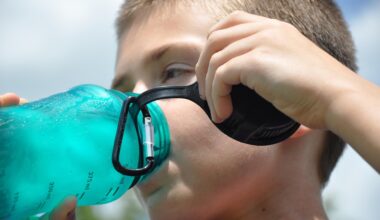
Different sources often provide varying recommendations regarding daily water intake, but the Institute of Medicine suggests a more detailed approach. For men, about 3.7 liters (or 13 cups) of total fluids is recommended daily, and for women, about 2.7 liters (or 9 cups). Additionally, individual circumstances such as climate, altitude, and specific health challenges can alter these general guidelines. For example, individuals living in hot climates may need to significantly increase their water intake, while those at high altitudes might also require more fluids to stay hydrated. It’s essential to customize your water intake based on your unique lifestyle factors and needs. Monitoring your fluid intake can be a practical solution to ensure you drink enough. Keeping a water bottle with you throughout the day can serve as a constant reminder to hydrate regularly. Further, setting reminders on your phone can help establish a routine for drinking water. Remember that the best indicator of your body’s hydration needs is your thirst. Adequate hydration is crucial for overall health, including skin health, joint lubrication, and maintaining energy levels.
How to Increase Water Intake
If you struggle to drink enough water daily, there are several strategies you can implement to increase your intake effectively. Start by incorporating water into your meals; for instance, choose soup or water-rich fruits as part of your diet. You may also want to keep track of your fluid intake using an app or a journal. This habit can keep you accountable for your hydration goals. Additionally, flavoring your water can make the process more enjoyable. Adding slices of fruits such as lemons, limes, or berries can enhance the taste without added sugars. Another tip is to establish a schedule for drinking water, setting specific times throughout the day as reminders. For instance, drink a glass of water before each meal and whenever you feel thirsty. Lastly, try dedicating specific water bottles for different activities. For example, a designated bottle for workouts could encourage you to maintain hydration while exercising. Creating a positive association with drinking water can significantly enhance your overall daily consumption as a result, benefiting your health tremendously.
Another important aspect of water intake is the need to consider different beverages in your hydration strategy. While water is the best choice for hydration, other drinks like herbal teas, milk, and even coffee can contribute to your fluid intake. However, be cautious with caffeinated beverages, as they can have a mild diuretic effect. Moreover, consider the sugar content in other beverages like soda, energy drinks, and juices, which can lead to excessive calorie consumption and dehydrate you if consumed excessively. It’s wise to keep a balanced approach and ensure that a significant portion of your hydration comes from plain water. When you’re feeling dehydrated, it’s best to reach for a glass of water rather than a sugary drink. Lastly, being mindful during social situations can help maintain your hydration goals. Choose water or unsweetened beverages when dining out or at gatherings. Staying hydrated will benefit not only your physical health but can also enhance your mood and cognitive functioning, ensuring you feel your best overall.
Signs of Dehydration
Recognizing the signs of dehydration is vital for maintaining adequate hydration. Common symptoms include dry mouth, fatigue, dizziness, and dark yellow urine. If you notice any of these symptoms, it’s important to drink water promptly. Particularly, the elderly can be more susceptible to dehydration, leading to confusion and exacerbating existing health conditions. Moreover, children are also at risk, and parents should stay vigilant in ensuring their kids drink sufficient fluids, especially during hot weather. Athletes should recognize that prolonged physical activity can significantly deplete hydration levels, which can impair performance. Taking regular breaks to hydrate is essential when exercising. Understanding your hydration needs based on physical activity can prevent negative consequences. Additionally, other factors such as illness or high temperatures can lead to increased water loss, highlighting the importance of adjusting your intake accordingly. Always prioritize hydration as part of your health routine, focusing on proactive measures to stay ahead of dehydration. Ultimately, listening to your body’s signals will guide your water intake, ensuring you maintain proper hydration levels throughout your daily life.
Hydration is not only beneficial for physical health but is crucial for mental well-being as well. Dehydration can negatively affect your mood, cognitive function, and overall energy levels. Many people experience headaches or a decrease in focus when dehydrated. Staying hydrated can enhance concentration, memory, and overall mood stability throughout the day. When you’re well-hydrated, you’re likely to feel more alert and capable of handling daily challenges. Make it a habit to drink water regularly to support cognitive performance and emotional health. Staying hydrated can also lead to better digestion and reduced feelings of anxiety. It plays a significant role in ensuring that your bodily systems function smoothly. Moreover, a well-functioning digestive system can improve nutrient absorption, making hydration essential for your overall health. As you focus on your daily water consumption, try to make it exciting and enjoyable. Experiment with different flavored waters, herbal teas, and other hydrating cold beverages to keep you engaged in your hydration habits. Ultimately, good hydration is not just about fulfilling a daily quota but about nurturing a healthier lifestyle.
Conclusion
In conclusion, understanding and implementing daily water requirements are essential aspects of maintaining your health and well-being. Aim for a minimum of eight 8-ounce glasses, while individual needs may vary based on personal circumstances and lifestyle factors. Keeping a consistent routine and using reminders can significantly help achieve daily water goals. Be proactive in recognizing the signs of dehydration and equip yourself with healthy hydration strategies. It’s also crucial to consider your overall consumption of fluids, from a variety of sources, not just plain water. Enhanced hydration benefits both physical and mental well-being, contributing to improved mood, cognitive function, and energy levels. Remember that hydration plays a vital role in maintaining your health across various aspects of life, whether through diet, exercise, or daily tasks. So make every effort to ensure you meet your hydration goals. With deliberate attention to your water intake, you can experience all the amazing benefits that proper hydration has to offer. As always, prioritize your body and listen to what it needs for optimal health and wellness.