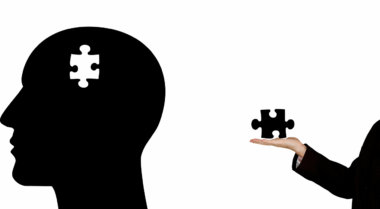

How Cultural Beliefs Shape Mental Health Stigma
Mental health stigma is shaped significantly by cultural beliefs. Different cultures have unique frameworks for understanding and interpreting mental health issues. In many societies, mental health conditions are viewed through a lens of shame and moral failing, which can intensify stigma. Individuals suffering from mental health conditions often face discrimination, isolation, and a lack of support. This stigma can lead to delaying treatment and exacerbating conditions, creating a cycle of mental health challenges. Furthermore, cultural taboos surrounding discussions of mental health can inhibit open dialogue and education. As a result, those experiencing mental health issues may feel trapped and unsure of how to seek help. The construction of stigma can vary widely, with some cultures encouraging secrecy while others may promote open discussion of mental health. This thematic complexity makes understanding cultural perspectives essential for addressing mental health stigma. Raising awareness about different cultural beliefs concerning mental health can foster acceptance and reduce stigma. Encouraging communities to embrace mental wellness and challenge negative stereotypes is crucial for creating supportive environments for individuals seeking help.
The Role of Tradition in Shaping Perceptions
Traditional views often play a critical role in shaping perceptions of mental health across different cultures. In many cultures, traditional medicine remains the primary means of addressing mental health issues. Practices such as herbal remedies or spiritual healing can overshadow contemporary mental health interventions. This reliance on tradition may lead to a reluctance to access professional mental health services. Understanding the roots of these beliefs is essential, as traditional concepts of illness may differ dramatically from Western frameworks. For example, in certain cultures, mental disturbances may be considered a spiritual crisis rather than an illness requiring medical treatment. This form of understanding can significantly affect whether individuals seek help and various treatment options available to them. Cultural narratives and historical factors can deeply influence these perceptions. They can reinforce the stigma surrounding mental illness and shape individuals’ willingness to discuss their struggles. When communities prioritize traditional forms of healing, it becomes vital to integrate these practices with modern mental health care approaches. Respecting and understanding these traditions can inform more culturally sensitive care models that validate patients’ experiences.
Language also plays a significant role in shaping attitudes toward mental health. Different cultures may not have specific terms that accurately describe mental illnesses, leading to misunderstandings about what these conditions entail. For instance, some languages may lack words for depression or anxiety, resulting in feelings of isolation and confusion among individuals who need support. Emphasizing the importance of language and how it affects expression can be pivotal in destigmatizing mental health discussions. By promoting accurate and empathetic language, communities can cultivate spaces where individuals feel safe to share their experiences. Furthermore, it is important for mental health professionals to be aware of and sensitive to the linguistic barriers that exist. Training professionals to recognize and address these issues can aid in delivering culturally competent care. Collaborative efforts to create resources in multiple languages can enhance accessibility and understanding of mental health concepts. By breaking down language barriers, we can broaden the reach of mental health education and foster acceptance. Ultimately, acknowledging the relationship between language and mental health stigma is essential for any initiative aiming for meaningful change.
Additionally, societal norms surrounding masculinity and femininity profoundly impact mental health perceptions. In many cultures, traditional gender roles dictate how emotional vulnerability and mental health issues are expressed. Men often face significant pressure to exhibit strength and self-reliance, making it challenging to acknowledge mental health struggles. Consequently, men may be less likely to seek help or discuss their mental health concerns openly. This silence can contribute to a vicious cycle of distress and exacerbate mental health issues, ultimately affecting overall well-being. Meanwhile, women may be socialized to express their emotions but may still feel stigmatized when discussing mental health openly. These conflicting cultural expectations create immense barriers for both genders regarding mental health expression and support. Addressing these gender norms is critical in dismantling stigma surrounding mental health. By nurturing an environment that encourages vulnerability regardless of gender, societies can foster healthier dialogue about mental well-being. Initiatives highlighting diverse narratives can empower individuals to confront societal pressures and lead to healthier emotional expressions in all gender identities. Breaking down these barriers is essential for promoting mental health equity.
Religious beliefs also significantly affect mental health perceptions within different cultural contexts. For certain communities, mental illness may be framed as a spiritual crisis that requires intervention from religious leaders. These perspectives can lead to both positive and negative consequences regarding individuals’ willingness to seek help. In some cases, the community’s faith-based support might foster resilience and provide comfort. However, this reliance on spiritual explanations can also contribute to significant stigma surrounding mental illnesses, as individuals may fear being judged for their struggles. Additionally, the interplay of religion and mental health can create barriers to accessing conventional therapeutic practices, particularly if these methods contradict religious beliefs. Mental health practitioners must understand and respect these dynamics while providing care in a faith-sensitive manner. Integrating spiritual discussions into therapeutic processes can model a holistic approach to mental health. By acknowledging the multifaceted influences of religion on mental health perceptions, communities can develop strategies for reducing stigma that align with their beliefs while promoting well-being.
Furthermore, the impact of media representation should not be underestimated in shaping cultural perceptions of mental health. Media narratives often reinforce stereotypes and stigmatizing portrayals of individuals with mental health conditions. Television shows, films, and news outlets may depict mental illness in a sensationalized, negative light, perpetuating fear and misunderstanding. This misrepresentation can skew public perceptions, leading to increased stigma against those struggling with mental health issues. In contrast, positive and realistic portrayals of mental health can foster empathy, understanding, and conversations about mental health. Campaigns that highlight stories from real people can illustrate the complexities of mental illness and help combat harmful stereotypes. Media literacy initiatives can empower individuals to critically analyze representations of mental health, fostering a more nuanced understanding of these issues. By promoting a culture of accurate and compassionate media representation, societies can work toward reducing the stigma that often accompanies discussions of mental health. Challenging stereotypes and fostering informed narratives is crucial for creating a more accepting environment for those seeking help.
Lastly, the importance of education and awareness cannot be overstated in reducing mental health stigma shaped by cultural beliefs. Comprehensive mental health education within schools and communities can significantly influence perceptions and attitudes. By providing accurate information about mental health conditions, symptoms, and treatment options, stigma can be reduced. Community programs that engage in open forums and discussions can encourage individuals to share their experiences and ask questions. Importantly, these initiatives must be culturally relevant and tailored to address the specific concerns and beliefs prevalent in the community. By embracing a holistic approach, these programs can facilitate dialogue and strengthen support systems, ultimately leading to increased help-seeking behaviors. Education that incorporates cultural sensitivity can promote understanding of different perspectives on mental health and well-being. Engaging community leaders and influencers can amplify the impact by paving the way for ongoing conversations and initiatives. This proactive approach to mental health education can foster resilience and create environments where mental wellness is regarded as a priority, ultimately serving to deconstruct stigma raised by cultural beliefs and practices.
Through targeted efforts and collaborative initiatives, we have the opportunity to reshape how cultural beliefs influence mental health stigma. By approaching this challenge with empathy and acknowledgment of cultural diversity, societies can create spaces for acceptance and support. Understanding the cultural context surrounding mental health, gender roles, religious beliefs, media representation, and linguistic barriers can equip individuals and communities to address stigma meaningfully. Ultimately, the goal is to improve mental health outcomes and foster holistic well-being through informed public discussions and collaborative actions. This journey requires continuous engagement with cultural beliefs, respect for individual experiences, and a commitment to fostering healthier communities where mental health is prioritized and embraced as an essential aspect of human existence.