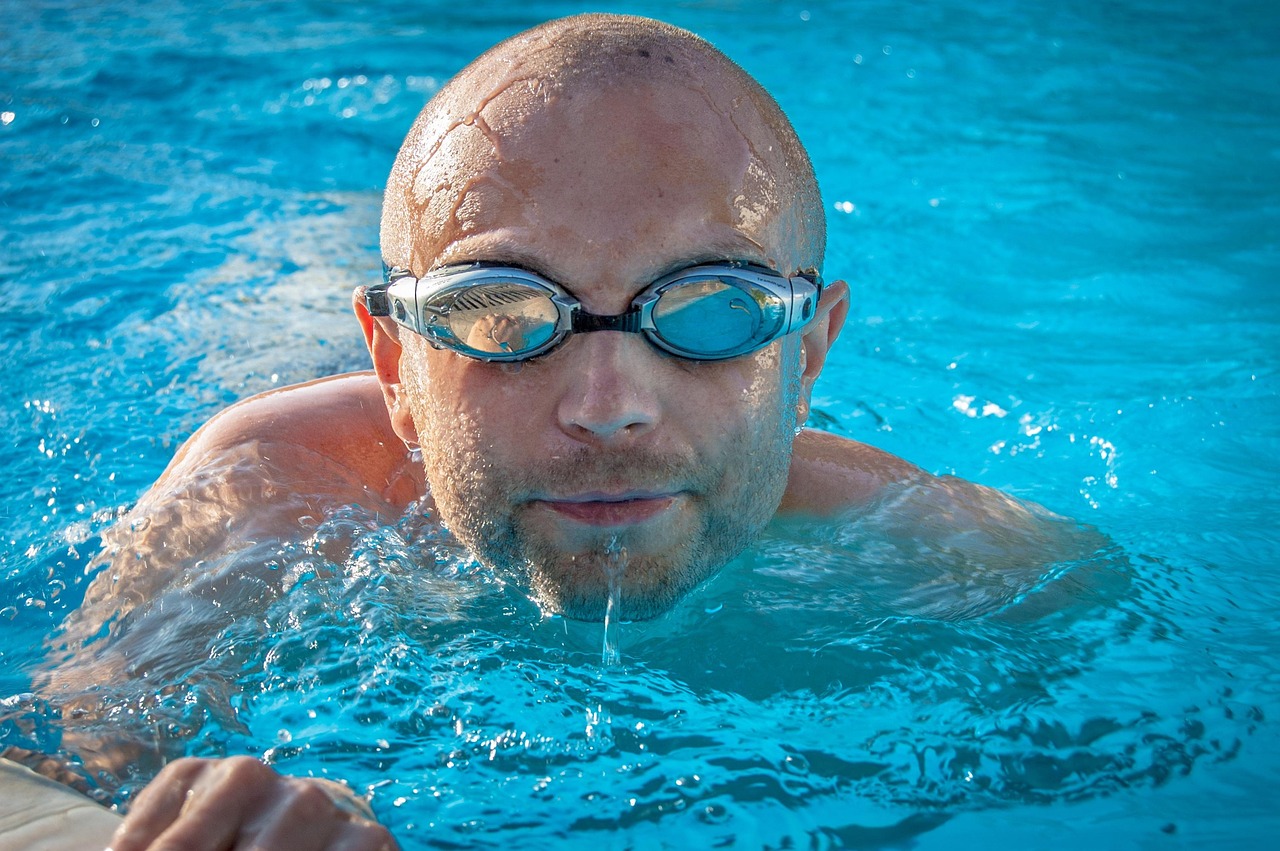

Healthy Fats and Their Benefits for Swimmers
Swimmers often push their bodies to the limits during training and competitions. To meet their energy demands and enhance performance, it’s crucial to incorporate healthy fats into their diets. These fats are a vital source of energy and support essential bodily functions. Healthy fats come in various forms, including monounsaturated, polyunsaturated, and omega-3 fatty acids. Swimmers can particularly benefit from these fatty acids, found in foods like nuts, seeds, and fish. They provide long-lasting energy, which is essential during prolonged swimming sessions and intense workouts. Additionally, healthy fats help combat inflammation, which can support recovery after strenuous training. They also assist in nutrient absorption, ensuring vitamins A, D, E, and K are effectively utilized. With tailored nutrition plans that include healthy fats, swimmers can optimize their energy levels and performance metrics in competitive settings. Thus, for swimmers aiming to succeed, a focus on healthy fats should not be overlooked. Incorporating foods rich in these beneficial fats can lead to improved training outcomes and overall well-being, setting swimmers up for enhanced performance in the water.
Understanding the types of healthy fats is fundamental for swimmers. Monounsaturated fats, typically found in olive oil, avocados, and almonds, are advantageous for cardiovascular health. These fats can help maintain cholesterol levels and are linked to reducing the risk of heart disease, which is critical for athletes. Polyunsaturated fats include omega-3 and omega-6 fatty acids, predominantly sourced from fish, flaxseeds, walnuts, and sunflower oil. Omega-3 fatty acids are particularly health-promoting. They possess anti-inflammatory properties and may aid in quick recovery after swims, reducing muscle soreness. Including these fats in meals before competitions can provide sustained energy levels. Furthermore, they support joint health, allowing for increased flexibility and reduced injury risk, which is crucial as swimmers intensively train. Swimmers should integrate these sources into meals systematically. Doing so can boost not only performance but also overall health. It’s essential for athletes to realize that adopting a fat-rich diet can help profoundly. Making conscious choices about fat sources will contribute positively to their overall athleticism, support performance stamina, and improve training results considerably over time.
Another aspect to consider is timing and quantity when consuming healthy fats. For swimmers, the ideal way to integrate fats into their diet is through balanced meals throughout the day. Particularly, incorporating a source of healthy fats in pre-workout meals can help sustain energy levels. Foods like nut butter on whole-grain toast or a smoothie with spinach and avocado can provide the necessary energy before hitting the water. Post-workout, athletes can benefit from omega-3-rich fish to aid in recovery. Pairing healthy fats with carbohydrates after swim sessions enhances muscle recovery and replenishment of glycogen stores. However, it’s essential to monitor portion sizes to avoid unwanted weight gain or sluggishness during swims. Generally, a small handful of nuts or a tablespoon of olive oil is enough. Moreover, maintaining a diverse and colorful plate rich in micronutrients complements healthy fat intake. Swimmers must aim for a well-rounded diet to maximize recovery, performance, and overall health. This way, they will reap the full advantages of what healthy fats can offer in contributing to high-level swimming performance.
Swimmers can also explore easy and delicious recipes that incorporate healthy fats into their diets. For instance, preparing a colorful quinoa salad can be an excellent mid-training meal option. Include avocado, olive oil, and seeds for healthy fat content. For breakfast, a smoothie bowl with almond butter and chia seeds creates a nutritious start to the day. Additionally, exploring snacks such as hummus with vegetable sticks can provide necessary fuel. Such meals are not only balanced but also enjoyable. Swimmers often lead busy lives, making meal prep crucial. Simple recipes can save time while ensuring proper nutrition. Moreover, engaging in meal planning allows them to control their fat intake effectively. Educating themselves about healthy recipes reinforces the importance of nutrition in their training regime. Websites or cookbooks dedicated to sports nutrition offer a plethora of ideas. Implementing these meal strategies can boost performance outcomes. Swimmers who prioritize nutrition are more likely to perform well competitively. Fostering good eating habits now will induce long-term benefits, keeping swimmers energized and healthy throughout their careers.
Another crucial benefit of healthy fats is their role in mental health and clarity. Swimmers often experience stress related to competitions and training, making it essential to manage mental well-being. Omega-3 fatty acids, found in fatty fish like salmon, have been linked to improved mood regulation and cognitive function. Consistent consumption may help swimmers handle pressures during meets or long training sessions better. A diet rich in healthy fats can lead to better concentration and focus in the water. Foods that include healthy fats can have positive effects on serotonin levels within the body. It’s vital for athletes to feel their best mentally, as well as physically. Fats should be seen not just as a source of energy but as a means of enhancing cognitive function. The mind-body connection is crucial in sports performance. Therefore, swimmers need to prioritize their diet holistically. By incorporating healthy fats into their daily intake, they will likely feel more balanced. This balance not only improves swimming performance but also supports overall enjoyment in the sport throughout its rigorous challenges.
Hydration also plays a critical role when athletes consider their overall nutritional strategy. Though not a source of calories or energy, the intake of healthy fats can influence hydration. For example, foods like olives or avocados contain fats, which can be hydrating. Moreover, fat sources can lead to satiety, which might reduce overall food intake. This balance helps maintain optimal hydration levels when paired correctly with proper fluid intake. Swimmers should not overlook their hydration strategy. Proper hydration levels are vital for maintaining endurance and performance. Incorporating healthy fats can maximize the efficient utilization of other nutrients consumed. Remaining hydrated enables swimmers to perform at their best, reducing fatigue during practices and races. Additionally, incorporating various leafy greens or fruits alongside fats can support hydration levels. This way, a swimmer can enjoy a varied and enjoyable plate during meals. Understanding the interplay of all components in their diet can lead to improved results in training and competition. Ultimately, every swimmer must recognize hydration as foundational, supported by a diet rich in healthy fats that benefit overall performance.
In conclusion, healthy fats are essential for swimmers striving for optimal performance. The energy derived from appropriate fat sources contributes to sustainability during prolonged swimming sessions. Furthermore, the anti-inflammatory properties of omega-3s help facilitate quicker recovery times, allowing swimmers to maintain regular training without interruptions. Swimmers must pay attention to the type of fat they consume, emphasizing those that promote health and well-being. By shaping their diets around healthy fats, swimmers lay the groundwork for durable athletic careers. Additionally, awareness of meal timing enhances the benefits associated with fat consumption. A holistic approach to nutrition, including healthy fats, contributes to both physical and mental well-being. Over the long term, these dietary choices can lead to significant improvements in performance. Swimmers who embrace these principles will not only swim faster but also enjoy their time in the sport. Consistent focus on nutrition fosters an environment where swimmers can thrive. Making mindful food choices today will pay dividends in future competitions. By prioritizing healthy fats, swimmers can realize their full potential in and out of the water, leaving a lasting impact on their athletic journey.