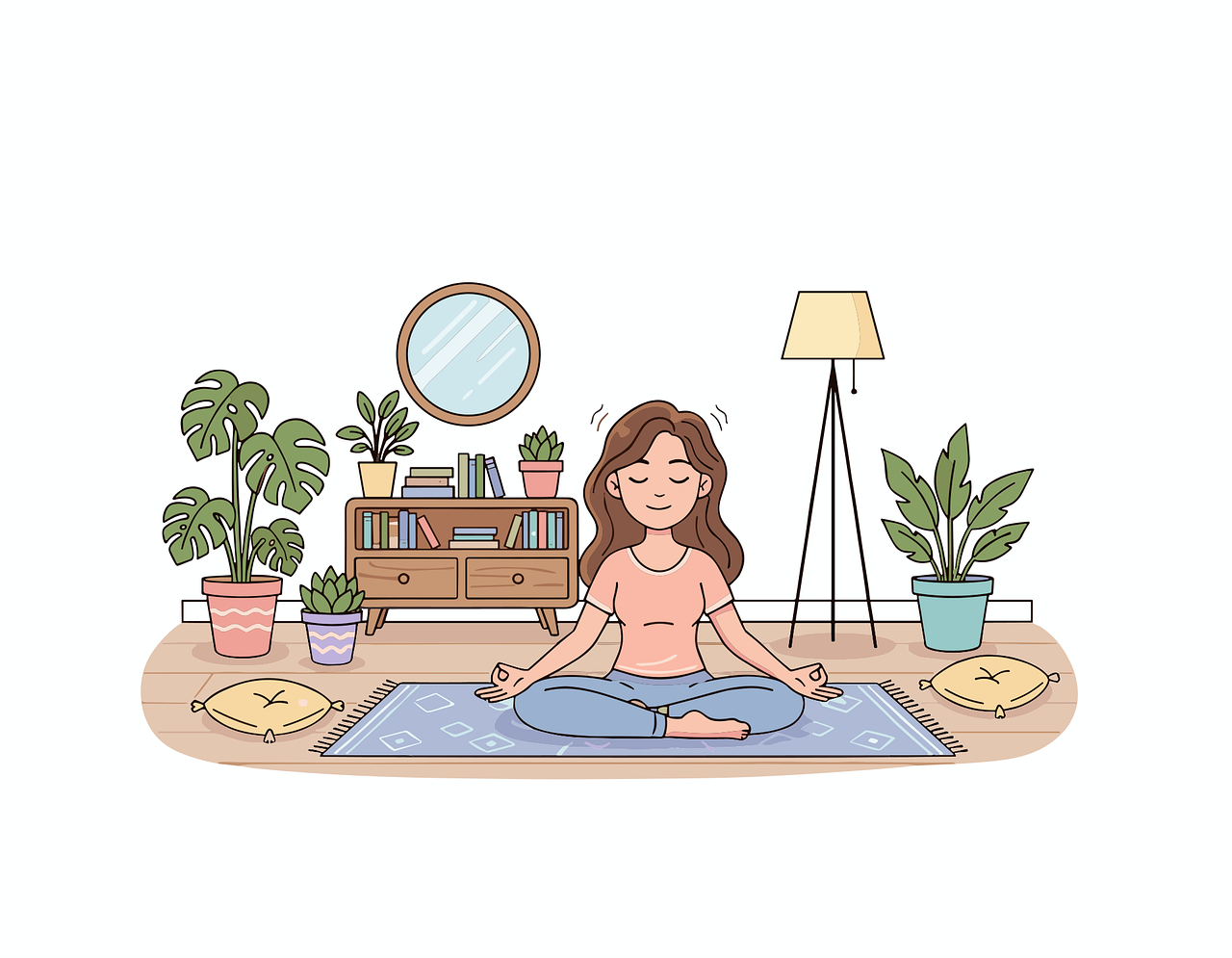

Enhancing Meditation with Guided Breathing Sessions
Incorporating guided breathing techniques into your meditation practice can greatly enhance the overall experience. These techniques allow individuals to focus on their breath, fostering deeper concentration and mindfulness. Guided breathing exercises provide a structured approach, making meditation accessible for beginners and experienced practitioners alike. By following verbal cues or recorded guides, practitioners can learn how to modulate their breath effectively. This modulation helps to reduce stress and anxiety, promoting a sense of calm and wellness. Many people find that structured exercises can improve their ability to meditate for longer periods. As you become familiar with these techniques, try to establish a routine that works for you. Regular practice helps to reinforce the benefits, allowing for a more profound meditation experience. Additionally, guided breathing can be utilized at any moment throughout your day: whether you’re seeking a moment of peace during a busy schedule or unwinding before bedtime. Implement these exercises into daily life, ensuring you remain present in the moment and connected to your breath. With time, this practice will lead to a more mindful existence, benefiting both mental and emotional health.
The Benefits of Guided Breathing Techniques
Guided breathing exercises offer a myriad of benefits for overall well-being. They serve as a powerful tool to manage stress and anxiety, allowing individuals to ground themselves in turbulent moments. These techniques promote relaxation by activating the body’s parasympathetic nervous system. Reducing tension helps in alleviating physical and mental strain. Furthermore, when practiced consistently, guided breathing can enhance emotional regulation, aiding in better handling of daily challenges. Improved focus and mental clarity also emerge from committing to regular practice. As mindfulness deepens, participants often report heightened self-awareness, making it easier to understand personal responses to various stimuli. The connection between mind and body is reinforced, fostering a greater appreciation for the present moment. By concentrating on breath patterns, individuals can redirect their minds away from distractions, creating an inner sanctuary of peace. Each inhalation and exhalation becomes an exercise in mindfulness. Engaging with guided breathing not only enriches meditation but also fosters resilience against life’s challenges. Many practitioners find that these techniques help them feel more centered and grounded throughout their daily interactions, enhancing relationships with self and others.
As you delve deeper into these practices, it is crucial to find a method that resonates with you personally. Various guided breathing techniques are available, each tailored for different needs. Popular options include diaphragmatic breathing, box breathing, and 4-7-8 breathing. Diaphragmatic breathing focuses on deep, abdominal breaths that stimulate the vagus nerve, promoting a sense of relaxation and tranquility. Box breathing, characterized by equal prolonged phases of inhalation, retention, exhalation, and retention, helps to improve focus and emotional resilience. The 4-7-8 technique teaches you to inhale for four seconds, hold for seven, and exhale for eight – a practice known to quell the mind and prepare it for sleep. Exploring these various options can aid you in determining the approach that feels most supportive. Personalization is key to ensuring consistent practice, leading to lasting benefits. Many practitioners journal their experiences, observing how different techniques affect their moods and mental clarity. Incorporating these reflections into your practice can further enhance mindfulness and self-discovery.
Tips for Successful Guided Breathing Practice
Implementing guided breathing exercises into your routine can be incredibly fulfilling. Start by finding a quiet, comfortable space, free from distractions. Reducing external noise fosters an environment conducive to relaxation and reflection, maximizing the effectiveness of the practice. Utilize a timer or an application to guide you through the exercises, ensuring you have a designated start and end time. This can help maintain focus and alleviate concerns about timekeeping during your practice. Consider incorporating calming visuals or gentle music, enhancing your experience while supporting a serene atmosphere. As you progress, practice patience and self-compassion. Some days may feel more challenging than others, and that’s perfectly normal. Allow yourself to honor the moment, whether it’s filled with clarity or distractions. Routine and consistency cannot be overstated. Designate specific times throughout the week to engage in your breathing exercises, fostering a habit that encourages growth. Many find that gradually increasing practice duration allows for deeper insights and results. Remain open to the nuances of your journey, celebrating small victories along the way.
As you continue your exploration of guided breathing sessions, consider integrating other mindfulness practices to complement your journey. Yoga, tai chi, and mindful walking can bring unique dimensions to your overall awareness and health. Each of these practices encourages an increased connection to the breath. For example, yoga often emphasizes breath control as a foundational element during poses. This holistic approach can enhance your understanding and mastery of breathing techniques. Having established a solid grounding in guided breathing exercises, you may find that you can transition seamlessly between practices, allowing you to embrace various forms of mindfulness. Be sure to experiment with combining different modalities, such as incorporating guided meditation with gentle movement. The synthesis can enrich your experience, fostering a greater appreciation for the interconnectedness of breath, body, and mind. Engaging with others on this journey can also provide encouragement and motivation. Whether in a class or through online communities, sharing experiences with fellow practitioners can enhance your journey, offering valuable insights and support.
Conclusion and Next Steps
In conclusion, guided breathing exercises can significantly enhance your meditation practice while promoting overall mental wellness. By utilizing structured techniques, the benefits of meditation can be magnified. As you become familiar with your breathing patterns, you may find greater peace and clarity in your daily life. It’s essential to approach this practice with an open heart, allowing space for growth, discovery, and healing. Furthermore, remember that every session is unique; embrace the ebb and flow of your experience. Utilizing resources such as apps, books, and workshops can assist in deepening your knowledge and skills. Furthermore, reach out for support through certified instructors or local groups. These connections can provide guidance, addressing any questions or uncertainties you may have. Engaging in a community fosters accountability while enriching your journey. Let your guided breathing practice evolve, taking the time to reflect upon your progress. Celebrate every little achievement, as they contribute to a more mindful and balanced life. As you cultivate these techniques, may they transform your meditation experience and lead you toward profound serenity and understanding.
Your journey into the world of guided breathing exercises begins with a single breath. So take a moment to inhale deeply and exhale fully. Allow this breath to be your guide as you venture deeper into your practice. This journey will enrich not only your meditation experience but also your overall approach to well-being. Consistent dedication to the art of breathing will unveil a world of profound relaxation, clarity of mind, and emotional resilience. Embrace this exploration with open arms, sharing your experiences with others along the way. As you navigate through the various techniques, remain patient with yourself. The path ahead is filled with potential, so let your breathing guide you toward profound personal growth and mindfulness. Ultimately, this exploration is about more than just improving your meditation. It’s about fostering a deep connection between mind, body, and spirit—living with intentionality and purpose. With time and practice, you will discover that these breaths can transform your interactions with the world around you, leading to a life filled with peace and clarity.
Explore and enjoy each breath. This is the core of your practice. Integrating guided breathing exercises into meditation creates a framework that reveals inner peace. As you engage with these guided practices, you will likely discover a more profound sense of connection and awareness within your life. The simple act of following your breath cultivates mindfulness, offering you a greater understanding of your thoughts and feelings. Enhance your journey by exploring the various techniques available, allowing you to discover what best suits your needs. Each step in this process is meaningful. As your relationship with your breath deepens, take time to reflect upon the personal insights you gain. Develop a nurturing practice that honors your journey. Breathing can be considered a bridge connecting your mind and body, facilitating a harmonious flow of energy. For every moment spent lost in distraction, reclaim your focus through intentional breaths. This empowers both your meditation and your daily life. Cherish this connection and watch as it impacts every aspect of your existence. Guided breathing is an invaluable resource on your path to mindfulness.