
Endurance Training for Cyclists: Tips to Improve Your Ride
Endurance training is essential for cyclists aiming to elevate their performance. Successful training requires a balanced approach that emphasizes consistency. Cyclists should focus on long rides at a moderate pace to build stamina. Gradually increasing mileage helps engage different muscle groups while enhancing aerobic capacity. Combining endurance rides with interval training maximizes efficiency by boosting both speed and power output. It’s crucial to listen to your body and allow for recovery days to prevent overtraining. Setting achievable goals is also vital; this motivates persistence and achievement. Incorporating cross-training can further enhance endurance by improving cardiovascular fitness while reducing the risk of injury from repetitive strains. Training plans should adapt to individual needs, factoring in varying fitness levels, strengths, and weaknesses. Monitoring progress consistently allows cyclists to adjust strategies as necessary and continue advancing their skills. Additionally, proper nutrition plays a central role; fueling the body with the right nutrients aids recovery and performance during training sessions. Ultimately, a well-rounded approach ensures that every cyclist can realize their full potential and enjoy the journey.
Nutrition and Hydration Strategies
A cyclist’s endurance largely hinges on nutrition and hydration. Fueling the body appropriately before, during, and after rides is crucial for optimal performance. Carbohydrates play a significant role; they supply the necessary energy for prolonged activity. It’s advisable to consume a carbohydrate-rich meal two to four hours before a training session to maximize glycogen stores. During rides, snacking on energy gels or bars can help maintain energy levels. Additionally, electrolytes should not be overlooked; they are vital for hydration and prevent cramping. Cyclists will benefit from drinking water or sports drinks throughout their workouts. Post-ride nutrition requires replenishing lost nutrients, preferably with a combination of carbohydrates and proteins. Consuming these within 30 minutes can enhance recovery. Whole foods, like fruits, whole grains, and lean proteins, should form the basis of daily meals. Planning meals around training can aid in meeting macro requirements effectively. Keeping a food diary can help track nutrient intake and identify areas for improvement. Supplements may be necessary in specific cases, but one should consult with a nutritionist before making any changes to their diet or training regimen. Balancing these elements contributes significantly to overall endurance performance.
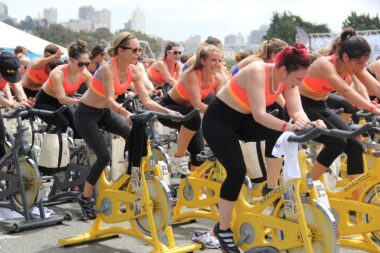
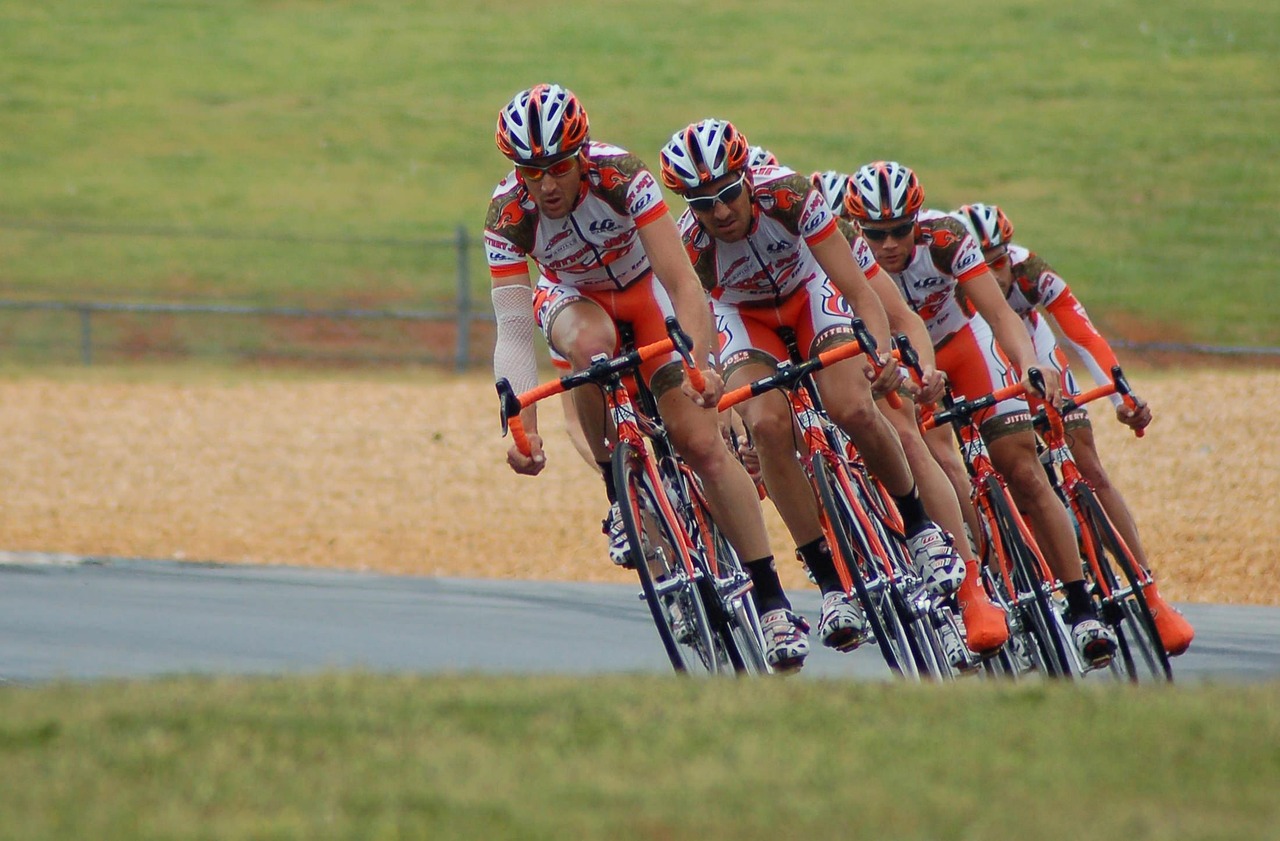
Variety in training routines is beneficial for cyclists. Regularly changing up workouts prevents boredom and helps to engage different muscle groups. Incorporating both long-distance rides and high-intensity sessions helps build a well-rounded skill set. Hill repeats are an excellent way to increase leg strength and cardiovascular capacity. Cyclists should also consider adding cadence drills into their routines to enhance pedaling efficiency. This variety prevents both mental and physical fatigue from setting in. Mixing in agility workouts or strength training is also effective for improving endurance. Focusing on different cycling terrains, such as off-road and road cycling, diversifies the fitness challenge. Participating in group rides can boost motivation and provide a healthy competitive environment. Joining local cycling clubs or online forums can offer insights into effective training methods and tips. Furthermore, cycling events can serve as fantastic deadlines for your training goals, keeping you accountable. Building a flexible training plan allows for adaptability based on progress and feedback from previous experiences. Ultimately, embracing this diversity will not only keep training exciting but will also enhance overall cycling performance.
Mindset and Mental Strength
Mental strength is a core component of endurance cycling. Developing a resilient mindset will help cyclists overcome physical and psychological challenges. Visualization techniques can aid in mentally preparing for long rides or competitive events. Athletes should envision themselves successfully navigating tricky moments during rides, boosting confidence. Setting short-term and long-term goals can provide motivation and focus throughout training. Performance anxiety is common, and learning to manage it becomes vital. Strategies like deep breathing exercises can help in maintaining composure before and during rides. Join mindfulness practices that enhance focus and reduce stress. Positive self-talk is another effective tool for reinforcing determination and building confidence. Cultivating a supportive network of fellow cyclists offers encouragement and strength when needed. Sharing experiences and challenges promotes growth and resilience. Embracing adversity and recognizing that setbacks often lead to learning opportunities is essential. Finally, developing a passion for cycling transforms challenges into enjoyable experiences. Cycling should be an adventure that brings joy and fulfillment. When cyclists cultivate this mindset, they can push past perceived limits and achieve remarkable outcomes. These mental strategies can elevate an athlete’s performance significantly during training and competitions.
Recovery plays a pivotal role in endurance training for cyclists. An effective recovery plan ensures that athletes not only recuperate but also improve performance over time. After long rides, active recovery practices like gentle cycling or swimming can aid regeneration. Incorporating adequate rest days in training schedules is crucial for muscle repair and growth. Foam rolling and stretching are beneficial techniques to alleviate muscle tightness and enhance flexibility. These specific techniques aid in preventing injuries while maintaining range of motion. Adequate sleep is another essential element of recovery; quality sleep aids in hormone regulation and muscle repair. Cyclists should aim for seven to nine hours of restful sleep each night. Regularly assessing fatigue levels helps cyclists determine when their bodies need rest. Paying attention to signs of overtraining, like chronic fatigue or loss of motivation, is vital. A good recovery regime will include not just physical, but also mental aspects. Engaging in relaxing activities, such as yoga or meditation, can significantly enhance overall recovery. By focusing on all these factors together, cyclists can optimize performance in both training and competitions.
Track Progress and Adjust Training
Monitoring progress is essential for cyclists determined to improve their endurance training. Cyclists can utilize various tools, such as apps and GPS devices, to track ride data, including distance, time, speed, and heart rate. Keeping detailed logs allows riders to analyze progress over weeks and months, helping them identify patterns. Regularly reviewing these logs ensures cyclists hold themselves accountable, allowing for informed adjustments to training regimens. It’s advisable to assess performance not solely based on metrics but also how the body feels after workouts. Performance plateaus can occur, making it essential to re-evaluate workout strategies. Adjustments can include changing intervals, increasing training intensity, or varying the duration of long rides. Engaging with fellow cyclists about shared experiences can offer new insights and ideas. Participating in scheduled tests, like century rides or time trials, serves as benchmarks to gauge improvement. Furthermore, seeking advice from coaches or experienced cyclists can provide new training perspectives. This adaptive training approach fosters continuous improvement, leading ultimately to enhanced endurance and performance.
Finally, all these components contribute to a well-structured endurance training program for cyclists. Engaging in a variety of training methods, focusing on nutrition, and maintaining a positive mindset creates a balanced approach to performance enhancement. Staying committed to a long-term vision allows cyclists to develop consistent habits that lead to success. Ongoing assessment and flexibility in training plans foster improvement, while recovery strategies ensure sustainability. Remembering the joy and love for cycling must always remain at the forefront is vital. When cyclists enjoy the process, they tend to embrace challenges and continuously strive for growth. Networking with other cyclists and sharing experiences adds a rich layer of community essential for thriving in the sport. Embracing all these facets of training cultivates deeper connections to the sport, improving overall performance. Ultimately, dedication to the craft, willingness to learn, and adapting to changes can result in significant rewards in endurance cycling. Whether seeking personal bests or competing at higher levels, a comprehensive strategy stands as the foundation for achieving these dreams.
Conclusion
In conclusion, understanding the multifaceted nature of endurance training for cyclists is essential for maximizing performance. Each component, whether physical, nutritional, or psychological, contributes significantly to an athlete’s journey. The integration of varied workouts not only keeps training engaging, but also promotes comprehensive fitness and resilience. Proper nutrition is imperative, serving as fuel for long rides and recovery. Furthermore, a positive mindset fosters perseverance, helping cyclists overcome challenges. Regular monitoring of progress ensures that training adapts to individual needs, allowing for continual improvement. Recovery techniques support muscle growth and longevity in the sport. Ultimately, cycling should inspire joy; that passion drives cyclists to endure both challenges and triumphs. By combining all these aspects, cyclists can realize significant enhancements in their endurance performance. Setting personal benchmarks and striving to exceed them is a rewarding journey. Each ride, every challenge, and every recovery day contributes to a larger narrative of growth and achievement. Consequently, maintaining diligence and adaptability remains key, ensuring cyclists remain poised to tackle new challenges ahead. May every cyclist embark on this journey embrace its beauty and discover their true potential on the bike.