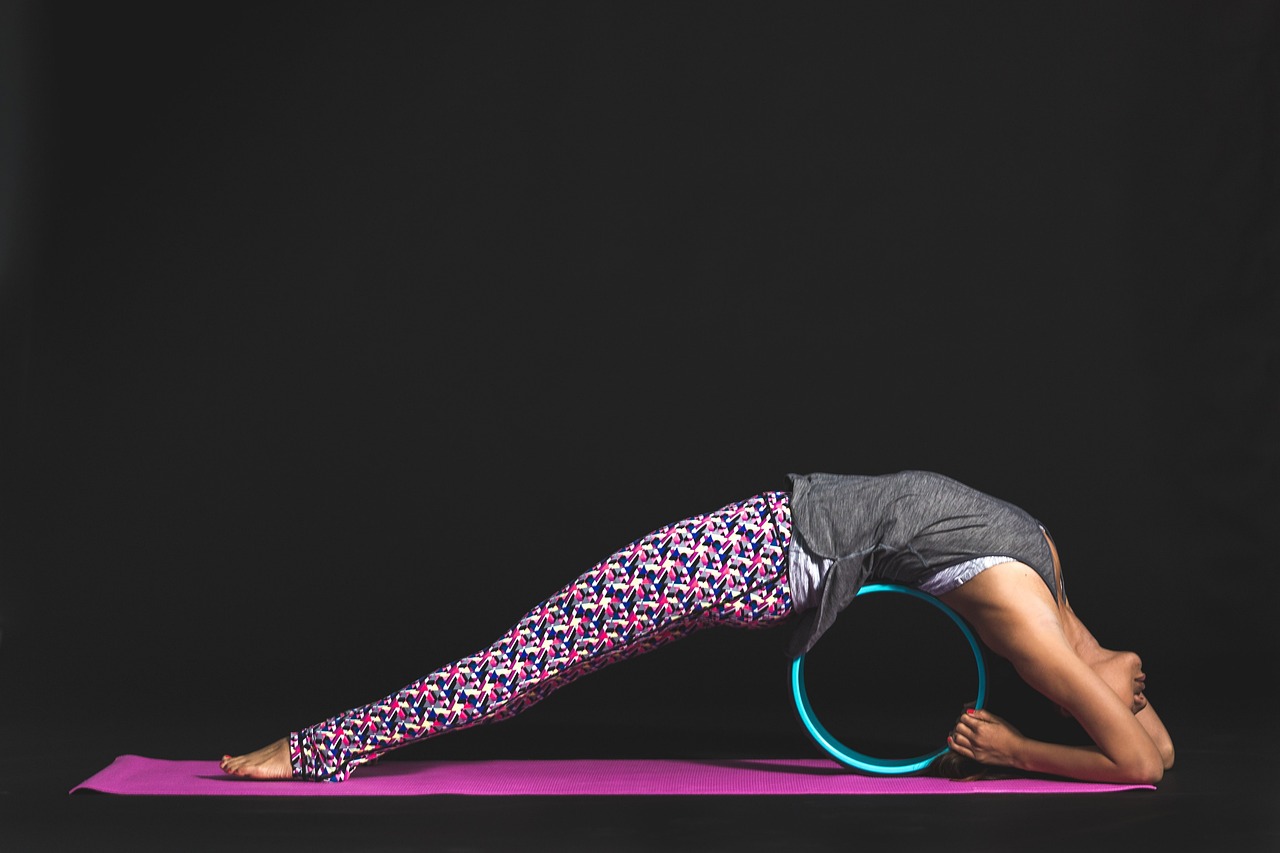

Combining Yoga and Bodyweight Training for Functional Strength
In the pursuit of functional strength, combining yoga and bodyweight training offers a unique approach for practitioners of all levels. This synergy emphasizes strength development, flexibility, and mobility, key components necessary for overall fitness. Yoga enhances body awareness and breathing techniques, while bodyweight exercises bolster muscular strength without the need for equipment. By merging these disciplines, individuals can achieve well-rounded fitness that improves daily activities and athletic performance. Additionally, this combination promotes injury prevention due to improved flexibility and strength balance. Many athletes are now incorporating yoga into their training routines to refine their movements. This holistic approach fosters a deeper mind-body connection, allowing individuals to engage in more intuitive movements. Practitioners often report enhanced focus and reduced stress levels when integrating yoga practices with their bodyweight workouts. Thus, embracing this fusion offers transformative benefits for the body and mind. It’s essential to discover the right balance between both practices to maximize their effects while ensuring enjoyable workouts every time. Finding time for practice in a busy schedule is achievable, and commitment to these techniques yields significant outcomes.
The key aspect of blending yoga with bodyweight training lies in understanding the principles of both disciplines. Yoga encourages alignment and control, leading to improved stability and strength through various poses. Bodyweight training, meanwhile, challenges the muscles by leveraging one’s weight, optimizing strength without excess burden. When combined, these two encompass a comprehensive workout that enhances one’s strength, endurance, and flexibility. A straightforward example includes transitioning from a downward dog pose to pushing up into a plank. This sequence effectively engages core and upper-body strength while promoting flexibility. Furthermore, blending functional movements from yoga, like squats and lunges, enrich bodyweight training sessions. This combination not only strengthens the muscles but also retrains movement patterns, which is crucial for athletes. Regularly practicing both will lead to improved performance across different sports and daily activities. However, always remember to maintain correct form during these exercises to prevent injuries. Furthermore, individual preferences and abilities should guide the integration of these techniques. Ultimately, honing the strengths of yoga and bodyweight training leads to a harmonious relationship between strength and visual elasticity, offering something extraordinary for enthusiasts.
The Practical Benefits of This Fusion
Integrating yoga into bodyweight training unlocks additional benefits that enhance physical performance and overall fitness. Improved flexibility significantly correlates with resistance to injury, as well as assists athletes in achieving advanced bodyweight movements. Furthermore, incorporating yoga stretches creates better muscle recovery, allowing for more intensive training sessions. Enhanced range of motion aids in performing bodyweight exercises effectively, increasing effectiveness. Yoga also provides excellent breathing techniques that improve oxygen intake during workouts, consequently enhancing endurance. Practitioners will notice improved concentration levels due to the mind-body focus that yoga cultivates, promoting a deeper engagement in workouts. This heightened attention allows for more intense workouts while ensuring the body’s safety. Regular incorporation of yoga can also facilitate relaxation, leading to a more recovery-focused mindset after workouts. Such balance becomes integral for anyone pursuing fitness. Additionally, this approach helps foster a flexible mindset toward personal growth and pushes individuals to new limits. Moreover, finding harmony between the two practices builds a complete strength profile, allowing both strength and mindfulness to coexist within a holistic training regimen.
Incorporating a variety of movements from both disciplines can significantly enhance results. For example, consider doing push-ups followed immediately by a yoga pose like pigeon stretch. This sequence not only trains muscle endurance but also promotes flexibility in the hips, creating a seamless workout flow. Implementing balance postures such as tree pose after exercises like squats helps engage different muscle groups actively. This practical application reinforces major muscle areas while preventing fatigue in a balanced manner. Training cycles can also mimic both bodyweight and yoga principles. Training methods that alternate these activities allow for effective use of recovery time while promoting strength. Adopting seasonal themes or varying environments helps keep workouts fresh and engaging. Exploring different forms of yoga also enriches bodyweight training while adapting techniques to meet each individual’s needs. Personalized sessions according to fitness ambitions can result in the most meaningful outcomes. Regardless of where individuals begin their practice, the combination of these two disciplines creates a unique path toward achieving personal fitness goals. Finding others in community groups can enhance motivation and accountability, thus enriching the experience further.
Mindfulness Through Motion
Practicing yoga alongside bodyweight training offers opportunities to develop mindfulness, a crucial aspect often overlooked in functional training. Emphasizing the breath during workouts fosters a deeper connection between physical activity and mental clarity. As individuals embrace both practices, they become more attuned to their bodies, leading to enhanced movement quality. This heightened sense of body awareness supports better technique in bodyweight exercises, increasing their effectiveness. Additionally, mindfulness helps combat mental barriers and negative self-talk, empowering individuals to push through challenging workouts. The integration of conscious breathing practices from yoga ensures better oxygenation during bodyweight routines. Mindfulness can also play an essential role in recovery, allowing for a more thoughtful approach to muscle recovery and rest periods. Incorporating visualization techniques found in yoga can lead to enhanced performance, promoting confidence in executing bodyweight movements. Setting aside time for this purposeful activity before or after traditional workouts ushers in a profound transformation. Such practices encourage athletes to tune into their surroundings and themselves, enhancing physical and mental performance over time. Therefore, consistent dedication to this fusion solidifies enduring growth and strength outcomes in life.
To maximize the combined benefits of yoga and bodyweight training, developing structured routines is essential. These routines should focus on balance, promoting aesthetic and functional strength. Integrating practices like dynamic warm-ups featuring yoga poses with bodyweight elements allows individuals to approach their training holistically. Structuring workouts into cycles alternating between strength and flexibility ensures comprehensive coverage of essential fitness dimensions. Engaging in both disciplines a few times a week creates a balanced routine that supports overall well-being. Additionally, maintaining a focus on core stability enhances performance across all exercises. Regularly including restorative yoga sessions contributes to muscle recovery, effectively addressing any previous fatigue. Keeping a journal to track workouts can illuminate progress, thereby motivating continuous improvement. Joining classes focusing on both areas builds community ties while making exercise more enjoyable. Community engagement also allows individuals to share insights and lessons learned in practice. Adjusting routines based on physical feedback keeps the journey adaptable and personalized. Every individual’s journey in fitness is unique, and blending yoga with bodyweight training allows freedom of exploration while pursuing strength goals.
Conclusion: A Journey Towards Strength and Mindfulness
The journey of combining yoga and bodyweight training offers diverse paths to accomplish functional strength development. As individuals engage in the art of integrating both practices, they open avenues towards enhancing physical capabilities while fostering essential life skills such as resilience and patience. This fusion articulates the understanding that fitness is a human experience characterized by growth and connection. As individuals progress, they tend to encounter challenges, celebrating milestones achieved along the way. Balancing strength and mindfulness enables an enriching journey towards becoming an adept practitioner across multiple disciplines. Moreover, the inherent adaptability of these practices means they can suit varied fitness levels, engaging individuals at any stage in their fitness journeys. Being open to learning and frequent exploration instills a culture of curiosity, enriching the experience profoundly. Therefore, the art of merging yoga and bodyweight training creates a comprehensive fitness framework. With this foundation, it’s possible to achieve remarkable and sustained results. As practitioners embark on this creative intermingling of technique and philosophy, they harmonize strength, flexibility, and mental clarity towards creating a unique narrative of personal empowerment.
The journey of combining yoga and bodyweight training offers diverse paths to accomplish functional strength development. As individuals engage in the art of integrating both practices, they open avenues towards enhancing physical capabilities while fostering essential life skills such as resilience and patience. This fusion articulates the understanding that fitness is a human experience characterized by growth and connection. As individuals progress, they tend to encounter challenges, celebrating milestones achieved along the way. Balancing strength and mindfulness enables an enriching journey towards becoming an adept practitioner across multiple disciplines. Moreover, the inherent adaptability of these practices means they can suit varied fitness levels, engaging individuals at any stage in their fitness journeys. Being open to learning and frequent exploration instills a culture of curiosity, enriching the experience profoundly. Therefore, the art of merging yoga and bodyweight training creates a comprehensive fitness framework. With this foundation, it’s possible to achieve remarkable and sustained results. As practitioners embark on this creative intermingling of technique and philosophy, they harmonize strength, flexibility, and mental clarity towards creating a unique narrative of personal empowerment.