
Capturing Movement: Techniques for Dynamic Swimming Shots
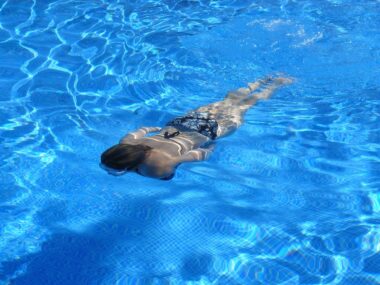
When it comes to swimming photography, capturing the essence of movement is crucial. Photographers often aim to freeze the moment while showcasing the dynamics of swimming. To accomplish this, using high shutter speeds is essential; otherwise, the images may come out blurred. Additionally, consider the lighting conditions of your environment; bright sunlight can be advantageous for clear shots. However, shooting during the golden hour, just before sunset, can also add a magical quality to the images. The angles of your shots should be varied, aiming for creative perspectives like below the water surface to capture the swimmer’s form. Experimenting with underwater photography requires waterproof gear to ensure safety and equipment longevity. Heavy lenses may be challenging to maneuver, so select lighter, versatile optics. Lastly, always be ready for those spontaneous moments. Swim meets and practice sessions feature both moments of intensity and playfulness, providing many opportunities. Remember to survey the scene, predict movements, and be ready to capture that perfect moment when it unfolds, as it can happen within seconds and transform the photograph into a memorable piece of art.
To elevate your swimming photography skills, understanding your camera settings is vital. Most digital cameras offer features that can optimize your shooting experience. Begin with using burst mode to capture multiple frames in rapid succession; this setting is particularly useful for action shots. Adjusting the ISO is another important aspect. Swimming pool environments may require a higher ISO due to lower light conditions, enabling faster shutter speeds and reducing motion blur. Another helpful technique involves utilizing continuous autofocus to keep the swimmer in focus. This method allows you to track movements effectively, ensuring sharp images even during quick changes in speed and direction. Additionally, balance your composition by using leading lines or frames to enhance visual interest. Remember to focus not only on the swimmers but also on their emotions and interactions; candid shots can create an engaging narrative. Finally, don’t forget about post-processing. Editing your images can enhance colors, contrast, and overall aesthetics, bringing your vision to life through digital enhancement.
Choosing the Right Gear for Swimming Photography
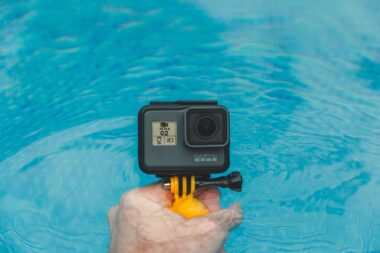
Choosing the right gear significantly impacts the quality of your swimming photographs. First, invest in a durable camera that can withstand humidity and splashes, particularly for poolside or outdoor environments. A camera with a fast autofocus system will provide sharper images of moving subjects. Lenses are also key; wide-angle lenses can help you capture more of the surrounding action or scenery. Opt for lenses with low f-stop numbers for improved clarity and frozen action, allowing more light in. A telephoto lens can provide valuable close-ups without getting too close to the swimmers. Consider using a polarizing filter to reduce glare from the water’s surface, producing cleaner images. When shooting underwater, waterproof housings are vital for safeguarding your equipment. These specialized cases allow photographers to submerge without worry. Furthermore, a steady tripod can help stabilize your shots if you’re photographing from a fixed position. Ultimately, investing in quality gear will enhance photo creativity and open up a world of possibilities for dynamic swimming shots.
Lighting plays a crucial role in swimming photography. Natural light can provide stunning results, especially during sunrise and sunset. During these times, the soft light creates beautiful reflections on the water and maintains color balance. If you are shooting indoors, consider investing in external flash equipment to brighten your subject and reduce shadows. Utilizing the right lighting techniques ensures the details are captured distinctly, enhancing overall image quality. Consider using rear-curtain flash sync to create a dramatic effect, allowing the ambient light to illuminate the scene effectively. If you spot a swimmer gracefully breaching through the water, this technique can produce dynamic, well-lit images. The positioning of your light source is equally essential. Backlighting can add depth and drama to your photographs, highlighting water droplets and the swimmer’s movement. Experimenting with different lighting conditions will undoubtedly enrich your swimming photography, making your images more memorable and captivating to viewers. Always be prepared to adjust settings on your camera based on changing light conditions to ensure optimal performance and result.
Composing Dynamic Shots in Swimming Photography
Composition is a vital skill in swimming photography. Understanding how to frame your shots effectively can elevate the overall impact of your images. Start by adhering to the rule of thirds; it can enhance visual interest by placing the subject off-center. Consider incorporating leading lines from the pool’s edges or lanes that draw the viewer’s eye toward the swimmer. Aim for unique angles, such as emerging from the water, to provide a new perspective that many spectators don’t typically see. Additionally, capturing reflections from the water can create mesmerizing patterns that add to the composition. Use the foreground creatively to enhance depth; including spectators or pool elements can provide context to the image. Always consider the swimmer’s movement and flow; portraying action conveys the energy of the moment. Lastly, allow your personal style to shine through your compositions. An artist’s eye can turn a simple swimming shot into a storytelling masterpiece. Keep practicing and experimenting with various compositions until your unique voice is captured in your photography.
The process of post-production is essential to perfecting your swimming photographs. Editing software like Lightroom or Photoshop offers various tools for enhancing your images. Begin with basic adjustments such as cropping, exposure, and contrast to refine your photos. Focus on correcting colors; underwater shots may require color shifting due to light distortion. Utilize the white balance tool to achieve a more natural look; it can make a significant difference in underwater images. Pay attention to detail—retouching water droplets and removing minor distractions can enhance the overall visual appeal. Layering is another technique that can add dynamism to your images. Consider combining multiple exposures to capture a swimmer’s movement path; this can create visually striking results. Gradual filters can adjust lighting areas, drawing more attention to the subject while dimming competing elements. Lastly, don’t hesitate to create presets once you’ve tailored your editing style. This time-saving option can streamline your workflow for future projects, allowing you to maintain consistency across your swimming photo portfolio.
Storytelling Through Swimming Photography
One of the hidden aspects of swimming photography is storytelling. Photographers have the opportunity to narrate emotions and experiences through images. Instead of merely focusing on technical aspects, consider the swimmer’s journey—their determination, struggle, and victories. Candid shots displaying raw emotions can resonate with viewers, connecting them to the experience. Capture moments not just of competition but also of training; these instances convey dedication and passion. Consider series of images that follow a swimmer, showcasing their preparation routine, interactions with teammates, or community support. It’s essential to understand the athlete’s connection to the water; portraying this bond can create powerful visuals. Remember to engage with swimmers before and during shootings; their insights can enrich your photo narrative. Invite possible placements of emphasis on moments off the pool deck—interactions with coaches, family, or fellow swimmers can add depth to your story. Ultimately, weaving narratives into your swimming photography transforms ordinary snapshots into captivating tales, emphasizing the beauty of the human spirit and the sport itself.
In conclusion, mastering the art of swimming photography requires dedication, practice, and an understanding of various techniques. From selecting appropriate gear to utilizing your camera settings effectively, each aspect plays a crucial role in capturing dynamic movements. Embrace the unique challenges associated with photographing swimmers, be it underwater or in bright sunlit conditions. This art form goes beyond still images; promoting emotion, action, and a story within every shot is powerful. Photographers must remain adaptive and prepared, as swimmers’ movements can be unpredictable. Experiment with angles, lighting, and compositions to find your visual style, while focusing on post-processing techniques to refine your images. Each photograph you take is an opportunity to showcase the beauty of swimming, celebrating athletes’ determination and grace. Draw inspiration from other photographers, appreciating their techniques while fostering your personal creativity. Lastly, don’t be afraid to share your work; the swimming community thrives on visual storytelling, and connecting with other photographers can offer invaluable insights and growth opportunities. Ultimately, capturing movement in swimming photography provides an avenue to portray not only the sport’s essence but also the artist’s unique interpretation.