
Advanced Breathing Techniques for Spinal Alignment
Understanding the connection between breathing and posture is crucial for maintaining spinal health. Controlled breathing enhances the body’s ability to align properly. Engaging in specific breathing exercises helps to strengthen the muscles of the back, thereby promoting better posture. Adopting a routine that combines deep breathing with spinal alignment exercises can lead to significant improvements. These techniques do not only help with physical alignment but also contribute to overall well-being. Individuals can incorporate such practices into their daily lives with ease. Additionally, engaging in these techniques can aid in reducing stress levels as one becomes more aware of their breathing patterns. Many people find that once they harness these techniques, they experience increased energy. The mind-body connection becomes strong, facilitating a holistic approach to health. Furthermore, by incorporating mindfulness, one can ensure that their posture isn’t merely a physical habit but also a mental focus. This dual approach ensures that both mind and body work in tandem, further improving overall alignment. By refining these advanced breathing techniques, individuals can experience lasting wellness benefits that extend beyond the physical realm.
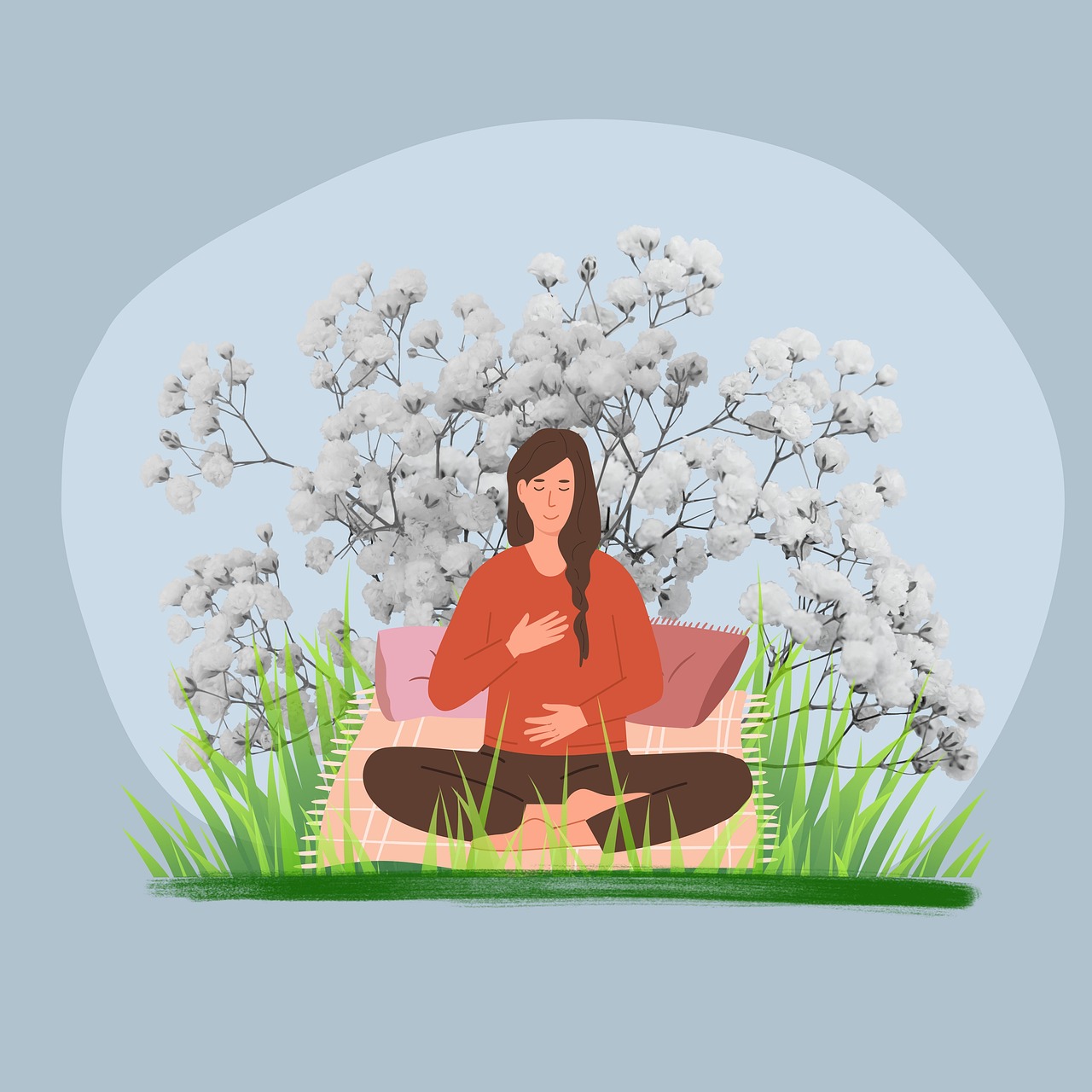
One essential technique for spinal alignment involves diaphragmatic breathing. This method shifts focus from chest breathing to utilizing the diaphragm effectively. Diaphragmatic breathing allows for deeper inhalation which actively engages the core muscles supporting the spine. By adopting this technique, one can reduce tension in the upper back, leading to a more upright posture. Start by lying on your back with knees bent. Place a hand on your chest and another on your abdomen. Breathe in slowly through the nose, ensuring that the abdomen rises while maintaining a still chest. Exhale gently through pursed lips, allowing the abdomen to fall naturally. Repeating this exercise for several minutes daily can make a significant difference. It teaches the body to access deeper lung capacity and aligns the spine through engaging core support. Many practitioners find that this technique becomes second nature with time. Increased awareness of breath consequently improves alignment. Incorporating these breathing exercises into a routine may contribute to alleviating back pain, promoting greater mobility and stability. The connection between breath and posture is undeniable, and embracing these methods can pave the way for heightened health.
Posture Correction through Breathing Techniques
Another technique that can be beneficial for posture involves square breathing, which focuses on equalizing inhalation, exhalation, and pauses. By following a structured approach to breathing, individuals can enhance relaxation while promoting spinal alignment. Square breathing consists of four equal parts: inhale, hold, exhale, and hold. This technique promotes not only spinal alignment but overall mental clarity. Begin this exercise by finding a comfortable seated position. Inhale deeply for a count of four, ensuring that your abdomen expands. Hold that breath for another count of four before exhaling slowly. Repeat the process while counting up to four for the duration of each phase. Visualizing a square as you engage in this practice can enhance effectiveness. This technique encourages deep engagement with each breath, ensuring that energy flows appropriately through the body. As one continues to practice square breathing regularly, they may notice enhanced posture through increased awareness of body alignment. Furthermore, it fosters an environment of mindfulness that contributes positively to mental well-being. Breathing techniques can serve as valuable tools to cultivate posture awareness and ultimately promote overall spinal health.
Aside from diaphragmatic and square breathing techniques, utilizing extended exhalation can also enhance spinal alignment. Extended exhalation refers to the practice of lengthening the exhalation phase during breathing. This technique activates the parasympathetic nervous system, promoting relaxation and reducing tension related to poor posture. The simple act of extending your exhale provides the body with an opportunity to release accumulated stress and promote better alignment. To practice, take a deep breath in for a count of four. Hold that breath for two counts, then exhale for a count of eight. Focus on the sensation of relaxation as you release tension with each breath. Performing this exercise in serene settings can amplify its benefits. Regularly practicing extended exhalation not only promotes spinal alignment but also creates a deeper mind-body connection. Over time, individuals may become more attuned to their bodies’ signals, thereby improving posture throughout their day-to-day activities. Making regular time for this technique helps to shift focus from stress to relaxation. This can be essential for those experiencing discomfort due to misalignment or poor postural habits in daily routines.
Integrating Breath Techniques into Daily Life
Integrating breath techniques into daily routines can have a lasting impact on posture. Remember to apply conscious breathing practices while engaging in everyday tasks, such as sitting at a desk or commuting. Bringing awareness to your breath in these situations creates opportunities for alignment. For example, during sedentary activities, take periodic breaks to practice deep breathing; this can prevent stiffness. Utilize a simple approach by taking a moment to inhale deeply, allowing the abdomen to expand, then exhale, releasing tension. Such practices not only align the spine but also clear mental fog that often accompanies prolonged sitting. In addition, adapting breathing as mindfulness practices cultivates awareness and promotes healthy posture throughout the day. Keep in mind that the alignment of your body depends significantly on your breath. With consistent practice, these methods can become ingrained habits. Consequently, this leads to improved physical alignment. Focusing on the breath serves as a reminder to maintain proper posture. Ultimately, integrating breathing techniques can reshape the relationship individuals have with their bodies and promote sustainable health outcomes.
The role of yoga in strengthening breath techniques and spinal alignment cannot be overlooked. Yoga promotes mindfulness while incorporating advanced breathing exercises as an integral aspect of practice. The focus on breath during yoga connects the mind, body, and spirit. Specific yoga poses, combined with breath techniques, reinforce the importance of alignment and stability. For instance, the mountain pose emphasizes standing tall while practicing deep inhalations. Similarly, downward dog creates length in the spine, which benefits from focused breathing practices. Attending a yoga class tailored toward alignment can enhance one’s understanding of these techniques. Whether for beginners or advanced practitioners, integrating breathing techniques within yoga encourages exploration of posture possibilities. This multifaceted approach ensures that breath becomes a source of strength that supports the body’s natural alignment. As individuals progress, they may notice enhanced flexibility alongside improved spinal health. Additionally, considering how breath influences physical movement adds depth to the practice. The cultivation of mindful breathing influences not only yoga but also everyday activities. This encourages participants to carry forward lessons learned into their lives, cultivating lasting benefits for posture and overall wellness.
The Mind-Body Connection
Lastly, fostering a strong mind-body connection through breathing contributes to improved posture. Awareness of one’s thoughts and feelings while engaging in specific techniques can enhance effectiveness. Building this connection empowers individuals to recognize how emotions impact their physical alignment. For example, anxiety often manifests in shallow breathing patterns, creating tension in the body. Observing how emotions influence breath can lead to healthier practices. By focusing on breath during challenging situations, one can cultivate resilience. This awareness reinforces the importance of aligning mind and body for holistic wellness. Practicing breath techniques regularly teaches the body to respond to stress proactively. Adopting an expanded consciousness improves the ability to maintain good posture over time. Deepening the mind-body connection creates a supportive environment for self-care. Participants become active agents in enhancing their well-being. Over time, individuals may develop a greater understanding of their bodies and how to support alignment effectively. Cultivating this awareness creates pathways to improved health outcomes. As one develops these techniques, they can become more dependable partners in the journey toward achieving a balanced and aligned posture, promoting better overall wellness.
In conclusion, mastering a variety of breathing techniques is vital for improving posture and achieving spinal alignment. Practitioners can effectively employ techniques such as diaphragmatic breathing and square breathing to create a strong foundation for alignment. Engaged awareness during breathing practices promotes a more mindful state that fosters positive outcomes for both body and mind. By incorporating these techniques into everyday life and exploring their applications through yoga, individuals can experience sustainable improvements in spinal health. Integrating mindful practices may enrich daily routines and empower people to navigate life with better postural awareness. Furthermore, these methods strengthen the mind-body connection and support overall well-being. Embracing the power of breath provides a lifetime of benefits for maintaining spinal alignment and optimal posture. Individuals are encouraged to consistently practice the techniques discussed. Over time, these techniques can transform one’s approach to health, allowing for deeper connections with self and environment. The journey to enhanced wellness through breathing is both accessible and rewarding, leading towards a healthier posture and lifestyle. By applying newfound knowledge of breathing techniques, individuals can move closer to a state of equilibrium between mind, body, and spirit.