
Accessibility and Social Support: Designing Inclusive Fitness Environments
Creating inclusive fitness environments is essential for promoting physical health among individuals with disabilities. Accessibility ensures that everyone, regardless of their physical limitations, can engage in fitness activities. When designing these environments, it is crucial to incorporate features like ramps, wide doorways, and adaptive equipment. Additionally, facilities should prioritize user-friendly layouts that enable easy navigation for all individuals. Such considerations not only enhance physical access but also foster a sense of belonging within the fitness community. Alongside physical access, effective social support systems are vital. These systems can help individuals overcome barriers to participation. Support can come from various sources, including fitness instructors, peer groups, and family members. Community involvement in creating adaptive fitness programs is also significant. Engaging with disabled individuals ensures their needs and preferences are considered in designing facilities. This collaborative approach promotes a culture of inclusivity that benefits everyone involved. Therefore, fitness centers must prioritize both accessibility and social support to design successful environments. By doing so, they create spaces that are not only physically welcoming but also emotionally supportive for all members of the community.
Research indicates that social support substantially impacts individuals’ motivation and commitment to engaging in fitness programs. When individuals with disabilities feel supported, they are more likely to maintain regular workout routines. Two significant aspects of social support include emotional and instrumental support, which can enhance overall fitness experiences. Emotional support involves encouragement, empathy, and positive feedback from trainers and peers. Instrumental support refers to tangible help, like assistance in using specialized equipment. Effective communication is crucial for fostering social dynamics within these fitness environments. Staff should receive training on engaging with individuals with diverse needs, promoting an inclusive atmosphere. Group classes tailored for mixed abilities are another way to encourage participation. These classes create synergistic relationships among participants, which can inspire and motivate individuals to pursue their fitness goals. Furthermore, sharing success stories within the community also fosters a culture of empowerment. Building networks where individuals celebrate achievements encourages others to participate actively. Finally, developing partnerships between fitness organizations and disability advocacy groups ensures that resources are directed appropriately. These collaborations can yield innovative solutions to accessibility challenges faced by individuals with disabilities seeking fitness opportunities.
The Role of Technology in Adaptive Fitness
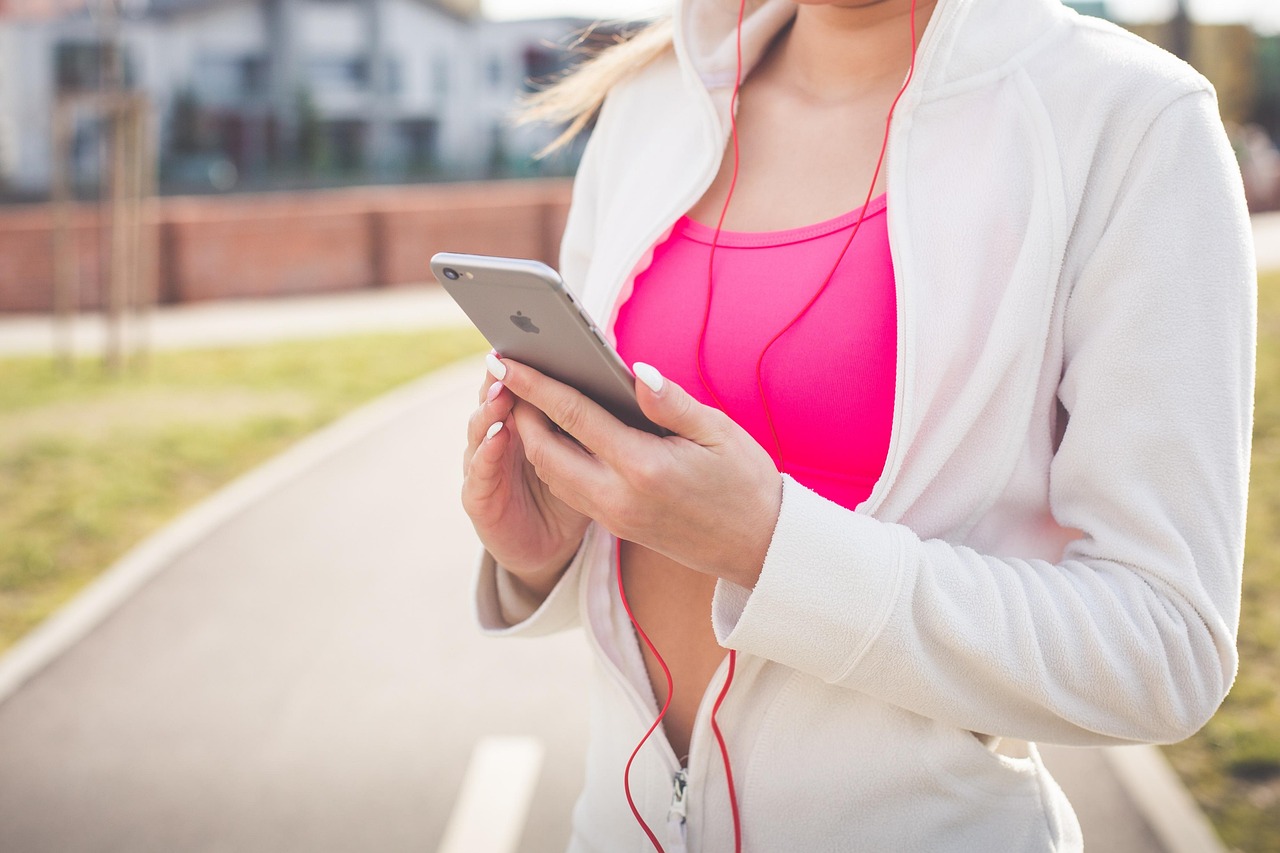
In the modern age, technology plays a pivotal role in advancing accessible fitness opportunities for individuals with disabilities. Assistive technologies provide innovative solutions that empower these individuals to engage in exercise safely. Various applications and devices offer tailored fitness plans, ensuring workouts suit individual capabilities. For example, wearable fitness trackers can monitor activity, providing real-time feedback that helps users understand their progress. Additionally, virtual training sessions have grown increasingly popular, allowing users to exercise from the comfort of their homes. These sessions can connect individuals with expert trainers who specialize in adaptive fitness methods. Furthermore, apps with community features enable social interaction among users, facilitating peer support even remotely. The development of adaptive exercise equipment is crucial as well. Gym owners and fitness centers should invest in equipment designed specifically for varying physical needs. This investment not only improves accessibility but also demonstrates a commitment to inclusivity. Overall, technology can transform adaptive fitness by enhancing participation and ensuring individuals with disabilities do not feel isolated in their fitness journeys.
In addition, fitness programs must actively address the psychological barriers faced by individuals with disabilities. Many perceive the fitness environment as daunting, leading to resistance in joining workout routines. Dismantling these barriers involves creating a nurturing atmosphere where individuals feel valued and accepted. Workshops focusing on mental health can also be beneficial, offering tools to manage anxiety and build confidence in fitness settings. Training staff to approach participants with respect, understanding, and kindness is a powerful step in fostering such an environment. Encouraging individuals to set and achieve small, manageable goals helps cultivate a sense of accomplishment. Recognition of these achievements, no matter how minimal, plays a significant role in motivation. Celebrating milestones collectively within the fitness community reduces feelings of isolation among participants. Accessible fitness environments should also incorporate feedback mechanisms to learn continuously from participants. By understanding their challenges and preferences, gyms can adapt programs and environments to better meet those needs. Implementing strategies that focus on confidence building and addressing fears ultimately leads to greater participation and, consequently, better health outcomes.
Creating Safe Spaces in Fitness Facilities
Designing a safe space for individuals with disabilities is essential within fitness environments. Safety encompasses both physical safety and emotional well-being during workouts. Implementing safety guidelines and protocols is necessary. Staff must be trained on how to provide physical assistance if required and ensure that emergency protocols are in place. Operative safety features like non-slip surfaces, clear signage, and proximity to help stations contribute to a secure fitness experience. Additionally, creating an emotionally safe atmosphere allows participants to communicate openly about their needs. Programs should emphasize peer interactions, encouraging friendships to blossom and providing opportunities for bonding. Mutual respect is a core tenet of safe spaces, ensuring that everyone feels valued and heard. Integrating feedback from participants can lead to improvements in safety protocols, contributing to an ongoing evaluation process to enhance fitness environments. Creating advisory committees with disabled individuals helps facility owners understand the unique safety needs of this community. Overall, when fitness centers prioritize safety, they build trust, leading to increased participation rates among individuals with disabilities.
Moreover, marketing fitness programs to individuals with disabilities is crucial for raising awareness. Programs should explicitly communicate the availability of accessible facilities and trained staff. Utilizing social media platforms to share information and success stories can have a significant impact. Targeted campaigns can dispel myths surrounding disabilities in fitness, fostering a sense of worth and empowerment among potential participants. Collaborating with local disability organizations expands reach and ensures that messages resonate within the community. Emphasizing inclusive fitness advertisements invites broader participation while normalizing disability in various settings. Additionally, word-of-mouth marketing is a powerful tool in communities. Encouraging satisfied clients to share their experiences can generate excitement and work as a trustworthy source of information. Regularly hosting open house events where individuals can explore adaptive fitness equipment fosters familiarity. It also helps those who may be hesitant about joining a program. Lastly, collecting testimonials from participants underscores the positive impact adaptive fitness initiatives have on their lives. Ultimately, strategic marketing breaks down barriers that may prevent individuals with disabilities from seeking out fitness opportunities.
The Future of Adaptive Fitness
The prospect of adaptive fitness is bright as more individuals recognize the importance of inclusivity. To maintain this momentum, collaboration among local governments, fitness centers, and advocacy groups remains paramount. Together, they can address challenges surrounding accessibility and social support in fitness environments. Funding initiatives can support the development of specialized programs tailored for individuals with disabilities. By sharing resources, facilities can offer diverse and inclusive options that cater to various needs. Furthermore, initiatives promoting awareness and appreciation of disability representation in fitness encourage communities to adapt. Educating trainers and fitness professionals on disability awareness ensures they possess the knowledge to support individuals appropriately. As more success stories emerge, confidence will grow among individuals with disabilities to engage in fitness. This cultural shift reflects the changing attitude towards adaptability and resilience. The growing focus on wellness will likely prompt more communities to embrace diverse fitness offerings, celebrating unique abilities. Ultimately, a commitment to inclusivity creates a vibrant fitness landscape where everyone has the chance to thrive, leading to improved health and social connections across all demographics.
In conclusion, promoting accessibility and social support within adaptive fitness is essential to embracing inclusivity. Facilities must not only invest in structural adaptations but also cultivate supportive environments that empower individuals with disabilities. Incorporating feedback from users reinforces the principles of accessibility and ensures ongoing improvement. Community engagement, thoughtful program design, and collaboration among stakeholders will foster an enriching atmosphere. As society becomes more aware of the barriers existing within fitness, the urgency for change must be prioritized. Emphasizing education and awareness is key to enhancing respect and understanding within the fitness community. Efforts should focus on building partnerships that champion adaptive fitness initiatives, encouraging participation from all individuals regardless of ability. The journey towards redefining fitness begins with us, paving the way for future generations to access healthier lifestyles. A continuing commitment to promoting social support and accessibility can significantly change the landscape of fitness. It’s time for everyone to enjoy the benefits of an active lifestyle without hindrance. Together, we can design inclusive fitness environments that empower and uplift individuals, regardless of their abilities and challenges. This is the future of fitness—a shared space where everyone belongs and thrives.