
A Beginner’s Guide to Effective Flexibility Workouts
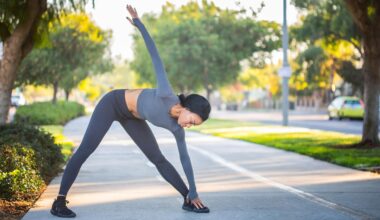
Flexibility is an essential aspect of fitness that enhances overall performance and reduces the risk of injuries. Beginners often underestimate the importance of flexibility exercises in their workouts. Incorporating flexibility routines not only improves performance during strength training but also enhances recovery post-exercise. Beginners should start with basic stretches that target all major muscle groups, such as hamstrings, quadriceps, and back muscles. One effective method involves combining static and dynamic stretches. Static stretching, where stretches are held for 15 to 30 seconds, promotes lengthening of muscles. Dynamic stretching, on the other hand, involves controlled movements that improve range of motion and prepare the body for physical activity. It is advisable to perform flexibility exercises at least three times per week, allowing the muscles to adapt gradually. Additionally, incorporating breathing techniques can further enhance the effectiveness of flexibility workouts. Throughout your flexibility training, focus on maintaining good posture, avoiding bouncing during stretches, and listening to your body for any signs of discomfort. Progressively increasing intensity and duration can also lead to greater flexibility outcomes.
Types of Flexibility Exercises
To effectively enhance flexibility, it’s essential to incorporate various types of exercises into your routine. The main categories include static stretches, dynamic stretches, and proprioceptive neuromuscular facilitation (PNF). Static stretches involve lengthening the muscle to its fullest range and holding it in that position. Examples include a seated toe touch and the butterfly stretch. Dynamic stretches involve moving parts of your body through their full range of motion, which warms up the muscles and prepares them for exercise. Exercises like arm circles and leg swings fall into this category. PNF techniques often require a partner and consist of stretching a muscle, contracting it isometrically, and then stretching it again. This can be particularly effective for improving range of motion. Incorporating a balance of these different types can create a comprehensive flexibility program. When starting, a session can include dynamic stretching to warm up, followed by static stretches for cool down. Also, integrate flexibility exercises specific to your activities, whether they be running, swimming, or lifting weights, to optimize performance and reduce injury risk.
Incorporating flexibility exercises into your training routine can yield numerous benefits for overall health and fitness. Not only does improved flexibility increase the range of motion in the joints, but it also enhances circulation, which supports muscle recovery. Improved flexibility reduces muscle tension, decreases the risk of strains, and helps maintain ease of movement. Aging can naturally lead to stiffness, so regularly practicing flexibility training is critical for a healthy lifestyle. Furthermore, several studies suggest that regular flexibility routines can improve athletic performance, according to research. Flexible muscles allow for more efficient movements and minimize the energy expenditure required for activities. Specifically, flexibility is beneficial for athletes and individuals engaged in sports that require agility and versatility. Commitment to regular flexibility exercise can also help to reduce feelings of stress and enhance relaxation. Many practitioners find that incorporating stretches into practices such as yoga and pilates elevates mental well-being while promoting physical wellness. Ultimately, a consistent approach to building flexibility can foster resilience, enhance performance, and support longevity in your fitness pursuits.
Creating a Flexibility Routine
When creating a flexibility routine, it is essential to set realistic goals and establish a consistent schedule. Ideally, begin with a warm-up to prepare the muscles for stretching, allowing any stiffness to dissipate and reducing the risk of injury. A warm-up can include light cardiovascular exercises like brisk walking for five to ten minutes. After warming up, select five to ten flexibility exercises that work different muscle groups, holding each stretch for at least 15-30 seconds. A balanced routine could involve stretches focusing on the upper body, lower body, and core. Aim to perform the routine at least three times a week, adjusting stretches based on progress and comfort level. If you find one area particularly tight, consider focusing on it more during flexibility sessions. Keep a journal to track improvements and set incremental milestones. To make the routine enjoyable, consider incorporating music, practicing in a calming environment, and even trying group classes. Gradually increase the intensity and duration as you improve, making flexibility training an evolving and enriching experience to integrate into your lifestyle.
Safety is imperative when engaging in flexibility exercises, particularly for beginners. It is essential to listen to your body and understand the difference between mild discomfort and pain. Stretching should not be painful; if you experience any sharp sensations, ease off. Moreover, proper technique is crucial in preventing injuries. For instance, avoid bouncing while stretching, as this can cause muscle strains. Instead, opt for smooth, controlled movements to ease into each stretch. Another practice is to ensure you are breathing deeply throughout your sessions, enhancing oxygen flow to the muscles and promoting relaxation. Staying hydrated before and after workouts also supports muscle function and reduces stiffness. It’s equally important to avoid stretching cold muscles; always warm up first as mentioned previously. Flexibility sessions can be integrated into both warm-up and cool-down phases of workouts for optimal effectiveness. As you progress, consider consulting a fitness professional to refine techniques and tailor routines to fit individual needs. Remember, consistency is key, and developing flexibility is a gradual process that builds over time with patience and dedication.
Tracking Progress and Adjustments
Tracking your progress is vital in any fitness journey, including flexibility training. Begin by taking baseline measurements of your flexibility, like how far you can reach in a toe touch or the extent of your shoulder movements. Utilize a journal to log your daily or weekly sessions, noting the stretches performed and duration. Assess improvements regularly; this could be every four to six weeks. If you notice progress, celebrate your achievements, as this can keep you motivated. Conversely, if you are not seeing desired gains, it may be time to adjust your routine. This might include trying new stretches, increasing hold times, or incorporating advanced techniques such as PNF. Additionally, listen to your body’s feedback and make modifications based on how you feel. Sometimes, tight areas may need more attention, so consider prioritizing those stretches more frequently in your routine. Continue to be open to adjustments, as flexibility can fluctuate based on factors like activity levels and stress. Above all, maintaining a positive mindset towards progress can enhance enjoyment and motivation in your flexibility journey.
In conclusion, effective flexibility workouts are essential for anyone seeking to improve their overall fitness and well-being. By emphasizing the techniques and various types of flexibility exercises discussed, beginners can create and maintain a comprehensive flexibility routine. Remember to stay consistent and patient during your flexibility journey. As your body grows accustomed to the movements, the results will become evident, and flexibility will improve significantly. This holistic approach of structuring your routine — including warm-ups, varying exercises, priority giving to tight areas, proper techniques, hydration, and tracking progress — leads to successful outcomes. Remember that flexibility plays a crucial role not only in physical performance but also in overall everyday movements. As you incorporate these practices into your life, engaging in activities will become more effortless. Building flexibility is a lifelong commitment that promotes longevity and physical health. Ultimately, stay motivated by the improvements you’ll experience as you progress. Embrace the joy flexibility brings, and share your journey with others to inspire them to prioritize their flexibility. Team up with friends or join classes for social engagement, making flexibility training both effective and enjoyable.