
Wearable ECG Monitors: A Vital Tool in Life-Saving Fitness Technology
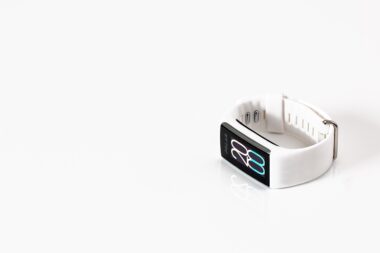
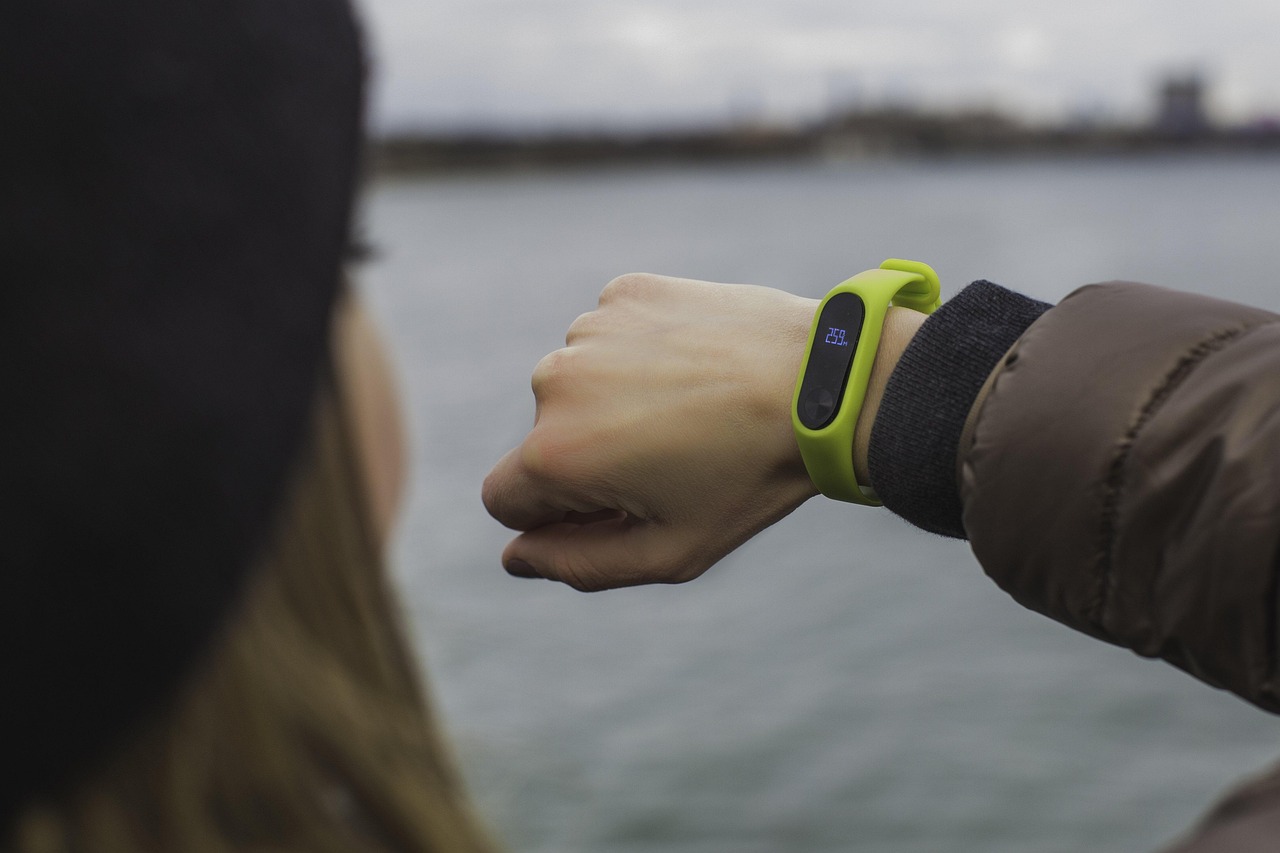
Wearable ECG monitors have emerged as revolutionary devices in fitness technology. These gadgets are designed to continuously measure the electrical activity of the heart, allowing users to monitor their cardiovascular health seamlessly. Unlike traditional ECG machines, which are bulky and stationary, these wearable devices are lightweight, versatile, and can be used in various settings such as home, gym, or outdoor activities. Importantly, they provide real-time data, which is critical for people engaging in fitness activities. This feature helps in early detection of anomalies in heart function, subsequently preventing potential health issues. Most wearable ECG monitors utilize advanced sensors and algorithms to capture accurate heart data. Furthermore, many of these devices can sync with smartphones and fitness applications, enhancing user experience. They can generate detailed reports and activity logs, making it easier for both users and healthcare professionals to interpret results. Additionally, athletes can use these insights to optimize their training and performance levels. The integration of wearable ECG monitors in fitness regimens is a significant advancement, contributing not only to fitness but also to overall health monitoring and prevention.
The Importance of Heart Health Monitoring
Heart health is an essential aspect of overall wellness, particularly for fitness enthusiasts. Regular monitoring can identify potential issues such as arrhythmias, which may pose serious risks during intense physical activity. By integrating wearable ECG monitors into daily routines, individuals can take proactive steps towards understanding their heart’s condition. These devices work by continuously collecting data on heart rate patterns and rhythm, providing immediate feedback. This real-time monitoring allows users to exercise within safe limits, reducing the likelihood of heart-related incidents during workouts. Furthermore, the collected data informs users when to ramp up their physical activities or when to slow down. For many, this technology becomes a crucial part of their fitness journey, fostering a deeper awareness of their body’s responses to different stress levels. Many wearable ECG monitors also come equipped with alerts and notifications, signaling users whenever irregularities occur. Such features prevent adverse events and contribute to informed decision-making regarding physical exertion and health management. As the fitness industry continues to embrace technology, these monitors represent a bridge between health, safety, and performance.
In addition to enhancing safety, wearable ECG monitors play a pivotal role in educating users about their cardiovascular health. Many individuals are often unaware of their heart health until they experience issues. With wearable ECG monitors, users gain insights into their heart’s electrical activity through data and visualizations. This awareness encourages individuals to adopt healthier lifestyle choices, as they can easily track how various activities impact their heart rate. Those who train for endurance events and high-intensity sports benefit significantly from this data, as it informs their training regimens. Health professionals also appreciate the information these devices provide, which can be invaluable during routine check-ups or consultations. By sharing data with healthcare providers, patients can engage more actively in their health care. Consequently, wearable ECG monitors not only promote fitness but also foster a culture of preventive care. The integration of such technology ultimately leads to better decision-making in fitness activities, aligning personal fitness goals with heart health management. As technology continues to evolve, the impact of wearable ECG monitors is likely to expand further, making heart health monitoring more accessible and engaging.
Challenges and Limitations of Wearable ECG Monitors
Despite the numerous advantages of wearable ECG monitors, users must also recognize their limitations. For instance, accuracy can be affected by various factors such as body movement, sensor placement, and skin conditions. Inaccurate readings may lead to unnecessary anxiety or misinterpretation of heart health. Furthermore, while these devices are excellent for tracking heart activity, they cannot replace professional medical assessments when serious health issues arise. It is also essential to note that some individuals may experience discomfort with certain designs or sizes of wearable devices, impacting user compliance. Additionally, the need for regular charging or battery replacements can hinder their usability for some users. While many wearable ECG monitors offer impressive functionalities, not all models provide the same level of detail and accuracy, creating variability in user experiences. Cost can also be a prohibitive factor for some, as high-quality models may come at premium prices. For consumers, understanding the trade-offs between price, functionality, and comfort is vital when choosing a wearable ECG monitor. Therefore, balancing the benefits and potential drawbacks of these devices is crucial for making informed decisions.
As technology improves, the future of wearable ECG monitors looks promising, projecting advancements in their design and functionality. Emerging trends point towards devices becoming even more compact and aesthetically pleasing, allowing users to wear them comfortably and confidently. Integration with other health monitoring systems, such as those tracking sleep patterns and physical activity, is also anticipated. The convergence of such technologies can provide holistic insights into an individual’s health, further promoting proactive self-care. Moreover, artificial intelligence is expected to enhance the analytical capabilities of these devices, enabling more accurate and personalized health recommendations. By leveraging machine learning algorithms, future wearable ECG monitors could adapt to individual health profiles, improving user experiences and outcomes. Additionally, advancements in connectivity may enable seamless interactions with healthcare providers, allowing for real-time consultations based on heart activity data. As the demand for health-related technology continues to rise, manufacturers are likely to invest more in R&D. This investment may lead to innovative features that target specific user needs and preferences, contributing significantly to the overall effectiveness of wearable ECG monitors in the fitness landscape.
User Experience and Practical Applications
The user experience of wearable ECG monitors largely influences their adoption and effectiveness in fitness settings. Various factors impact user satisfaction, including ease of use, comfort, and accessibility of the data provided. Devices that deliver intuitive interfaces and user-friendly applications tend to be more successful in retaining users. Customization options allow users to tailor settings and notifications according to their preferences, enhancing engagement with the device. Furthermore, practical applications extend beyond just fitness enthusiasts. People with pre-existing heart conditions can leverage these monitors for ongoing health assessments and adjustments to medications or lifestyle. Specialists can also utilize the data provided from these monitors for remote monitoring of patients, ensuring a comprehensive approach to cardiac care. This capability is particularly valuable in situations where in-person consultations are minimal. Better monitoring can lead to improved patient outcomes and heightened awareness of possible heart-related issues. The use of wearable ECG monitors reflects a societal push towards proactive health management. Thus, their role expands beyond fitness, reinforcing the importance of integrating technology in all aspects of health maintenance.
In conclusion, wearable ECG monitors stand at the forefront of fitness technology by blending health monitoring with physical wellness. They exemplify how technology can empower individuals to maintain control over their health while engaging in regular fitness activities. These gadgets offer numerous benefits including real-time heart monitoring, data sharing with healthcare professionals, and educational feedback regarding personal health. As user-friendly designs and comprehensive functionalities evolve, a broader audience will likely embrace this technology as part of their lifestyle. The integration of wearable ECG monitors into daily routines not only promotes active engagement in fitness but may also lead to substantial health improvements across various demographics. Education regarding heart health and monitoring instills confidence in users, encouraging a culture of prevention and awareness. As wearable ECG monitor technology continues to advance, the potential for various applications is enormous. This evolution will undoubtedly further reinforce the critical linkage between fitness and heart health, paving the way for healthier nations. Those looking to optimize their fitness journeys will find these devices indispensable, ultimately revolutionizing personal health management.
Final Thoughts
Wearable ECG monitors are changing the way we think about fitness and health technology. Their increasing significance cannot be overstated, given their potential to save lives through early detection and continuous monitoring of heart conditions. As this technology keeps evolving, individuals from all walks of life will gain access to insights previously available only through clinical settings. Ultimately, the purpose of wearable ECG monitors transcends beyond merely providing data; they inspire users to lead healthier, more active lives. This intersection of fitness and healthcare represents the future of wellness, where informed decisions become the cornerstone of active living. These devices stand as a testament to how technology can positively influence personal health narratives. Individuals with prior health issues and fitness enthusiasts alike have much to gain from utilizing these gadgets. Keeping pace with these advancements can lead to better cardiovascular health management. Therefore, investing in a wearable ECG monitor is more than just a trend; it’s a proactive step towards enhancing longevity and life quality. As wearables become more integrated into everyday life, their impact on fitness culture and health consciousness will continue to expand significantly. This synergy between technology and health is a crucial factor in public welfare and personal well-being.