
Using Heart Rate Monitors to Enhance Senior Workout Safety
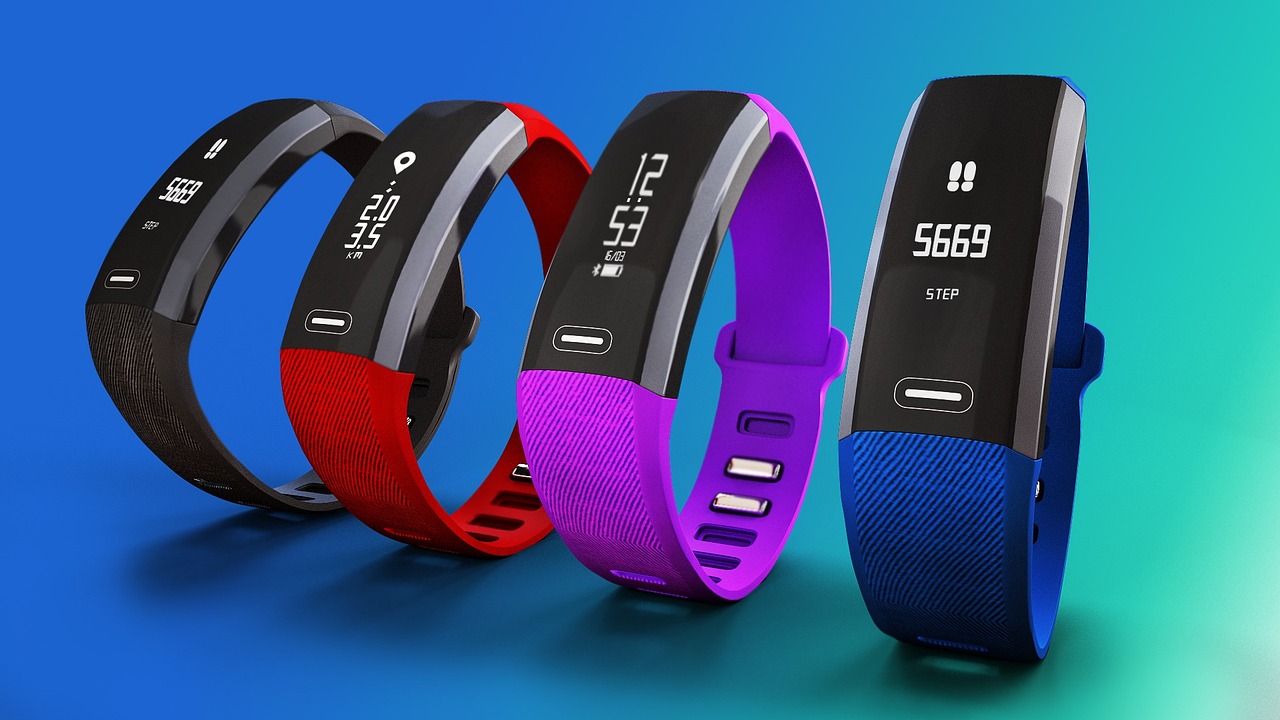
In the realm of senior fitness, tracking progress is crucial. One effective way to achieve this is through the use of heart rate monitors. These devices provide real-time feedback about heart rate during exercise, ensuring seniors maintain a safe and effective workout routine. By monitoring heart rates, seniors can avoid over-exertion and reduce the risk of heart-related issues. Heart rate monitors come in various forms such as wristbands, chest straps, or even built into smartwatches. Selecting a device that is comfortable and user-friendly is essential for older adults. Many heart rate monitors also sync with smartphones, allowing for easy data tracking and analysis. This functionality empowers seniors to set realistic fitness goals and monitor their progress. Additionally, these monitors can alert users if they exceed target heart rate zones, ensuring a safer exercise environment. When seniors are aware of their physiological responses, they can make informed decisions regarding their workouts. Incorporating heart rate monitoring into exercise routines is an excellent strategy to enhance safety and effectiveness.
Heart rate monitors offer additional features that can significantly benefit seniors. Some devices incorporate built-in algorithms that analyze activity levels and suggest customized exercise plans based on individual fitness levels. By utilizing data collected over time, these monitors can help identify trends and patterns in physical activity and heart health. This information is invaluable for healthcare providers who need accurate data to assess overall wellbeing. Furthermore, these monitors can enhance motivation, as users can set specific targets and receive notifications when they achieve them. The social element of sharing results with friends or family can bolster morale, creating a support system which is vital for motivation. Seniors may become more engaged in their fitness regimes if they see tangible proof of improvement. Moreover, certain models offer reminders for hydration, stretching, or even taking breaks, promoting a holistic approach to health. When chosen wisely, heart rate monitors not only foster achievable fitness milestones but also contribute to a healthier lifestyle overall. Understanding one’s own body remains a fundamental aspect of any fitness journey, particularly for seniors.
The Importance of Heart Rate Monitoring
Monitoring heart rates provides crucial insights into individual fitness levels. When exercising, it is essential for seniors to understand their unique heart rate zones. This knowledge allows for optimizing training sessions while minimizing health risks. For most seniors, staying within a moderate heart rate zone is advisable. This zone typically ranges from 50% to 70% of maximum heart rate, emphasizing the importance of individualized data. Seniors should consult fitness professionals or healthcare providers to establish their personal heart rate thresholds. Engaging in activities that elevate heart rates within recommended limits enhances cardiovascular health and aids in weight management. Consistency is key for seniors; regular workouts yield better results. Heart rate monitors can track activity over days, weeks, or even months, fostering accountability and structured routines. Moreover, these monitors can serve as vital feedback tools during rehabilitation or recovery processes. Many seniors recovering from health conditions can benefit from carefully monitored exercise regimens. As such, heart health directly correlates with physical wellbeing, reinforcing the role of heart rate monitoring in senior fitness. Taking ownership of one’s fitness journey ensures long-lasting health benefits.
Incorporating heart rate monitors into group exercise settings can facilitate enjoyable social interactions. Seniors participating in structured fitness programs can use these devices collectively, creating an engaging atmosphere where participants support each other. Shared heart rate data fosters camaraderie, as members celebrate their collective accomplishments. Regular classes can be more enjoyable when participants observe improvements together. It can also help instructors adjust workout pacing in real-time based on group heart rates, ensuring participants are challenged but still safe. Additionally, friendly competition may emerge among sessions, motivating seniors to strive for better performance. This positive dynamic not only makes exercise more enjoyable but also helps seniors form lasting friendships. Research shows that strong social ties can have significant health benefits, enhancing both physical and emotional well-being. Emphasizing the social aspect of fitness can be especially beneficial in inspiring seniors who may face mobility or isolation challenges. By linking heart rate monitoring to social activities, seniors are more likely to remain committed to their fitness goals while enjoying the company of their peers. Therefore, heart rate monitors become crucial tools to promote both fitness and social interaction.
Choosing the Right Monitor
Selecting the appropriate heart rate monitor is essential for maximizing its benefits. Seniors should consider several factors, such as usability, comfort, and specific features suited to their fitness regimens. Monitors equipped with larger displays make it easier for seniors to read real-time data without straining their eyesight. Wrist-based monitors may be preferable for those who dislike chest straps, providing a non-intrusive option for continuous tracking. Additionally, waterproof models may entice active seniors who enjoy water-based activities like swimming. Features such as GPS, sleep tracking, and step counters can provide additional insights beyond heart rate, allowing for a comprehensive view of overall health. It’s also crucial for seniors to choose devices that offer user-friendly applications for syncing data. Technology can sometimes be intimidating for older adults; hence, educational resources and customer support become invaluable. Many brands also have dedicated communities or user guides that explain functionalities. Research reviews and comparisons online can help identify the best options to meet individual needs and preferences. Ultimately, investing in the right heart rate monitor can enhance a senior’s workout experience while ensuring safety throughout their fitness journey.
Along with choosing the right monitor, seniors must understand how to effectively use these devices for optimal benefits. Familiarity with settings, such as target heart rate zones and alerts, is crucial for maximizing effectiveness during workouts. Many heart rate monitors allow users to customize goals, focusing on different types of workouts like endurance training or strength exercises. Seniors should engage with the device during workouts to ensure they remain informed about their heart rate changes. Regular reviewing of stored data can reveal insights regarding patterns and average heart rates over time. This information is beneficial for tailoring fitness routines based on personal performance and responding to any alarming trends. Seniors should consider consulting fitness professionals when beginning their monitoring process to educate themselves on interpreting heart rate data accurately. Group workshops may be beneficial in this regard, combining technology education with social interaction. Ultimately, embodying a proactive approach to heart rate monitoring enables seniors to take charge of their health, leading to improved fitness outcomes. Regular check-ins with healthcare providers also ensure ongoing support in fitness journeys while using heart rate monitors.
Conclusion: Prioritizing Safety and Progress
In conclusion, heart rate monitors play a vital role in enhancing safety and effectiveness in senior workouts. By providing real-time feedback about heart rate, these devices enable seniors to make informed decisions, ensuring safe exercise practices. Understanding personal heart rate thresholds and having the ability to track changes over time fosters accountability, promoting physical wellness. Furthermore, the integration of heart rate monitors into social workout settings enhances motivation and delivers a sense of community, which is crucial for senior fitness engagement. Empowering seniors to take their fitness journey into their own hands leads to better health outcomes, enriching the quality of life. Investing time in selecting the appropriate heart rate monitor ensures that seniors receive the necessary support in achieving their fitness goals. Education and skillful use of these devices ultimately translate to higher workout safety and progress. Encouraging regular communications with healthcare providers ensures that personalized plans evolve alongside changing fitness levels. Heart health remains one of the foundational aspects of overall wellness. Thus, with the right tools and resources, seniors can thrive in their fitness pursuits, maintaining balance, strength, and vitality.
Incorporating heart rate monitors into senior fitness routines provides a crucial layer of safety. Through regular use, seniors can track their heart rate, ensuring they exercise within appropriate zones. Monitoring heart rates not only prevents over-exertion but encourages a more effective workout regimen tailored to individual needs and abilities. With the wide array of options available, choosing the right monitor to suit personal preferences is equally important. The significance of heart rate monitors in promoting accountability and enhancing the overall workout experience cannot be overstated. As seniors engage in physical activities, their understanding of the correlation between heart rate and exercise can lead to better insights and improved health outcomes. Social support in group settings further amplifies these benefits, creating a community of fitness-minded individuals supporting one another. By incorporating technology into wellness routines, seniors can ensure a more defined approach to health while designing a safer exercise environment. As awareness of heart health continues to rise, seniors equipped with heart rate monitors will be better prepared to face their fitness journeys head-on, all while prioritizing their safety and wellbeing. Regular monitoring paves the way for improved cardiovascular fitness and overall quality of life.