
Understanding the Importance of Good Posture in Children and Teens
Good posture in children and teens is crucial for their overall well-being and development. Establishing proper posture encourages healthy growth patterns, enhances physical fitness levels, and helps prevent injuries. When young people maintain correct posture while sitting, standing, or walking, they are less likely to experience back pain, neck strain, or other musculoskeletal issues later in life. Good posture supports optimal lung function, which is essential for effective breathing and overall energy levels during physical activities. An understanding of body alignment, which includes keeping the head properly over the spine and aligning the shoulders with the hips, can help children develop balance and coordination skills. Parents should encourage activities that promote awareness of their body’s position in space, like sports or dance. Furthermore, teaching correct ergonomic principles while using technology such as computers and smartphones can aid in maintaining proper posture. Educators and caregivers play a vital role in instilling these habits early, ultimately contributing to their long-term health. Good posture should be instilled as a natural part of everyday life to foster positive habits that accompany children into adulthood.
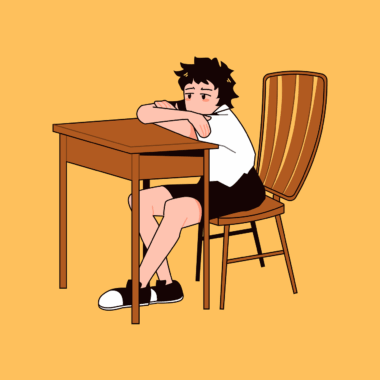
As children spend significant periods sitting at desks or engaging with screens, it is critical to assess their study and play environments. Ergonomic furniture, such as adjustable chairs and desks, can lead to improved posture by encouraging a neutral spine position. Parents and teachers need to create spaces where children can maintain proper body measurements while studying. Encouraging short breaks during homework or screen time promotes movement and helps maintain blood circulation. The importance of adjusting their sitting positions and using chairs that support the lower back cannot be overstated. Parents should monitor their children’s posture regularly and remind them of adjustments needed when necessary. Simple exercises like shoulder rolls and neck stretches can also help in combating slouched postures and taking care of their musculoskeletal health. Additionally, family involvement in activities that promote physical movement is essential. Outdoor play, sports, and dance can significantly boost body awareness and teach children about postural alignment through enjoyment. Making good posture a fun concept will further help them carry these lessons into adulthood. As a result, children can grow up healthier and more conscious of their bodies, leading to a more active lifestyle.
The Role of Technology in Posture
With the rise of technology, children and teens face unique challenges regarding posture. Prolonged screen time is often associated with poor seating habits, where young users tend to slouch or hunch over their devices. This behavior could lead to postural deformities and discomfort in the long run, affecting their productivity and physical health. Schools and parents should prioritize teaching students about the importance of maintaining good posture before, during, and after their screen time. Proper ergonomics must be integrated into their digital lives, including proper device height, chair use, and screen distances. Texting is another common culprit that encourages poor neck alignment. Parents can help enforce healthy practices by setting limits on recreational screen time, ensuring children take frequent breaks from their devices for stretches or movement. Drawing attention to how they hold devices and stand or sit while using them can reinforce positive habits. In addition, using apps or reminders can provide children with timely prompts to evaluate their posture throughout the day. Instilling awareness about the impacts of technology on their bodies can send forth a culture of health consciousness that prioritizes physical wellness as part of daily activities.
Physical activities and sports play an influential role in shaping children’s posture. When kids engage in a wide variety of exercises, they build strength and flexibility, which contribute to attaining healthy body alignment. Stretching, strength training, yoga, and pilates can directly enhance core strength and muscular endurance. These activities promote body awareness, allowing children to check in with their posture during tasks like sitting and standing. Parents can encourage their little ones to participate in different sports, which not only improve their posture but also develop their social skills and self-esteem. Team-based sports further reinforce the importance of body control and coordination. Regular participation in these activities teaches children to move consciously and pay attention to their bodies. They can also learn about the negative effects of incorrect posture while observing themselves or peers during sports practice. Moreover, enrolling children in yoga or pilates from an early age can provide essential tools for maintaining their health and posture. As they grow older, the benefits gained will offer compound advantages, allowing them to live more actively while feeling good physically and emotionally.
Encouraging Mindfulness for Better Posture
Promoting mindfulness is an effective approach in enhancing children’s posture awareness. Mindfulness practices encourage children to become attuned to their bodies, fostering a deeper understanding of physical sensations and body alignment. Through techniques like meditation or mindful breathing, engaging kids in self-reflection is beneficial for their posture habits. Schools and parents can incorporate mindfulness lessons in daily routines, allowing children to pause and assess their physical state throughout the day. Activities such as body scans and guided imagery exercises can also help children become more in touch with muscular tension and learn how it affects their posture. Moreover, teaching children the concept of mindfulness allows them to recognize when they are slouching or losing focus on their body alignment. Regular practice can help develop automaticity in maintaining good posture as they grow. In families, mindfulness can be a shared experience, promoting a supportive environment where health principles are discussed and practiced together. By creating an atmosphere encouraging regular posture checks and mindful movement, families can work together to support health. This collaborative effort benefits the entire family in fostering good posture habits, leading to long-lasting improvements for everyone.
The influence of nutrition on posture and overall health should also not be overlooked. A balanced diet is vital for muscle strength and structural support. Nutritional choices can improve energy levels, enabling children to participate actively in physical activities that encourage good posture. Foods rich in calcium and vitamin D contribute to bone health, critical for supporting a strong skeletal structure. Moreover, adequate hydration levels are essential for reducing muscle stiffness and enhancing flexibility. Parents should aim to educate their children about making healthy dietary decisions. Incorporating a variety of fruits, vegetables, lean proteins, and healthy fats can ensure the provision of necessary nutrients for proper growth and physical activity. With proper nutrition, children are more likely to engage in physical activities and sports, reducing the amount of time spent in sedentary behavior and associated negative postural habits. By prioritizing nutrition alongside active living strategies, families can better support their children’s overall health. Emphasizing a wholesome lifestyle encourages kids to cultivate beneficial habits early on, contributing to improved body mechanics. Ultimately, good nutrition, combined with regular exercise, shapes a strong foundation for lifelong attention to body alignment and well-being.
Conclusion: Building a Foundation for Life
In conclusion, the importance of maintaining good posture in children and teens cannot be underestimated. Proper posture significantly impacts their overall health, influencing key aspects like growth, development, and self-esteem. Establishing healthy habits from an early age ensures that they carry these lessons into adulthood, contributing positively to their long-term wellness. It is essential for parents, educators, and caregivers to actively participate in teaching children about ergonomics, physical activity, and mindfulness. By creating supportive environments that promote healthy body mechanics through adjustments, exercises, and nutrition, they can equip children with the tools needed for sustained physical wellness. Integrating these practices into daily routines not only helps combat the negative effects of prolonged sitting and screen time but also instills a sense of body awareness. Encouraging movement, fueling appropriate dietary choices, and fostering mindfulness are vital in shaping healthy behaviors in young people. Together, these efforts can lead to improved quality of life, better posture, and a greater understanding of the importance of caring for their bodies. Investing in children’s posture today will benefit them throughout their lives.
Final Thoughts on Posture and Wellness
Overall, understanding the significance of posture serves as a foundational aspect of health and wellness throughout childhood and adolescence. By addressing these matters early, parents can guide their children towards a physically active lifestyle, highlighting the connection between adequate posture and the development of healthy habits. With increased awareness of their bodies, children and teens will be better equipped to face the challenges posed by modern living—such as poor seating and prolonged screen use—while simultaneously nurturing their physical well-being. Furthermore, fostering environments that enhance body awareness will encourage lifelong engagement in wellness practices. As they grow, these individuals will embody the importance of posture, becoming advocates for their well-being. This advocacy not only includes personal accountability but also outreach to peers and family, thus creating a ripple effect within their communities. When children appreciate the role of correct body mechanics in their overall health, future generations may be influenced positively by their learned behaviors. Investing time and effort in teaching good posture will ultimately reap rewards not just for individuals but also society as a whole, fostering a healthier populace that values physical wellness.