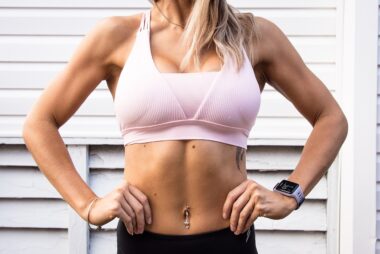

Sports Nutrition for Women: Tips for Vegetarians and Vegans
Maintaining optimal nutrition is vital for women engaged in fitness, especially for vegetarians and vegans. Diverse food sources are needed to meet essential nutrient requirements. With a lack of animal products, certain nutrients can become challenging to obtain in sufficient quantities. Critical nutrients for active women include protein, iron, calcium, and essential fatty acids. To enhance protein intake, women can rely on sources such as lentils, chickpeas, quinoa, and various seeds. Incorporation of plant-based proteins in meals promotes recovery and muscle building post-exercise. Iron is another key nutrient, commonly found in legumes, fortified cereals, and dark leafy greens. It’s important to pair these with vitamin C-rich foods to enhance absorption. Calcium sources like fortified plant milks, tofu, and almonds can help in bone health. Healthy fats from avocado, nuts, and oils should also be part of a balanced diet. Understanding food combinations and ensuring a varied diet is necessary for maintaining energy levels and promoting overall health.
Meal Planning for Active Women
Effective meal planning is crucial for vegetarian and vegan women who strive to maintain their fitness routine. This proactive approach allows for the optimization of nutrient intake and helps developers a sustainable eating habit. When creating a meal plan, it’s essential to include a variety of food groups to ensure adequate nutrition. For breakfast, consider smoothies packed with spinach, banana, and protein powder. For lunch, salads featuring chickpeas, assorted vegetables, and tahini dressing offer a well-rounded meal. Snack options could include nuts and fruit, providing healthy fats and quick energy. Dinner can incorporate whole grains such as brown rice with vegetables and tofu that are rich in protein. It’s advisable also to batch-cook meals to save time and maintain consistency in healthy eating. Planning also helps avoid last-minute unhealthy choices and promotes overall wellness. Tracking your meals using apps can let you understand nutrient intake, keeping you accountable. By being intentional about food choices, vegetarian and vegan women can enhance their fitness performance while achieving their health goals.
Hydration plays a vital role in sports nutrition, especially for women who are active in fitness. Proper hydration ensures optimal performance, aids in recovery, and maintains overall health. Vegetarians and vegans need to be particularly mindful of their fluid intake. Water should always be the first choice for hydration, but incorporating hydrating foods such as cucumbers, watermelons, and oranges can significantly help too. Sports drinks can be an option during prolonged or intense workouts, but checking the sugar content is advisable. Herbal teas and coconut water are flavorful alternatives to plain water. Remember to hydrate before, during, and after workouts, ensuring consistent fluid intake throughout the day is key. Listening to your body’s signals, like thirst and fatigue, is essential for adequate hydration. It’s also important to adjust fluid intake based on climate and workout intensity. Women should educate themselves on hydration needs and ideal strategies to implement hydration in their routines. By embedding mindful hydration habits, active vegetarian and vegan women can maintain peak performance while supporting their overall body functions.
Essential Supplements for Vegetarians and Vegans
While it’s possible to obtain most nutrients from a well-planned vegetarian or vegan diet, certain supplements may be beneficial to consider. Vitamin B12 is essential, as it’s primarily found in animal products, so supplementing can help to avoid deficiencies. Omega-3 fatty acids are another nutrient to focus on, as they are typically derived from fish. For plant-based options, flaxseeds, walnuts, and algae supplements can provide similar benefits. Iron should also be monitored, as vegetarian sources may not provide adequate absorption, and an iron supplement can be helpful. Additionally, vitamin D can sometimes be lacking, especially in those who don’t get sufficient sun exposure. A multivitamin might be a useful resource to fill any gaps in nutrition. It’s always advisable to consult with a healthcare provider when considering supplements. They can provide guidance based on individual health status and dietary needs. By incorporating appropriate supplements along with a varied and balanced diet, vegetarian and vegan women can further support their health and wellness while engaging in fitness.
Understanding the role of macronutrients is significant for vegetarian and vegan women focused on fitness. Macronutrients, including carbohydrates, proteins, and fats, are the major components of a diet. Carbohydrates are crucial as they serve as the primary energy source during workouts. Whole grains, fruits, and vegetables are excellent carbohydrate sources that keep energy levels stable. Protein is vital for muscle repair and building; thus, focusing on high-quality plant proteins will benefit those involved in weight training. Healthy fats, derived from nuts, seeds, and plant oils, contribute to hormone production and overall health too. A balanced diet consists of the right proportions of macronutrients to support women’s unique fitness needs. It is a good practice to adjust macronutrient ratios based on workout types and intensities. Keeping an eye on nutrient timing, such as consuming carbs before workouts and protein afterward, aids in maximizing performance and recovery sustainably. Research shows that a well-structured approach to macronutrients allows active women to achieve their fitness goals while remaining committed to vegetarian or vegan lifestyles.
Mindful Eating Practices
Mindful eating is an effective approach that encourages vegetarian and vegan women to develop a healthier relationship with their food. This practice involves being fully present during meal times, considering flavors, and appreciating the nourishment food provides. Setting aside distractions like phones or work during meals can enhance the eating experience. Additionally, listening to hunger and fullness cues aids in avoiding overeating or restrictive eating patterns. It’s essential to eat slowly, chewing food thoroughly and appreciating flavors can improve digestion and promote satisfaction. Reflecting on food choices, understanding why certain meals appeal, can help develop awareness around nutrient needs. This kind of intentionality can also inform better planning of meals based on a body’s signals. Combining mindful eating with a focus on plant-based nutrition helps ensure a balanced intake. Embracing this practice can positively impact energy levels and overall happiness related to one’s diet. Joining groups or classes focused on mindful eating can provide support and additional resources. With time, implementing mindful eating techniques can enhance both mental and physical wellness.
Community and social connections can significantly impact the fitness journey for vegetarian and vegan women. Engaging with a supportive network encourages friendly motivation and sharing of resources, recipes, and tips. Social media platforms are valuable tools for accessing communities, whether through Instagram, Facebook groups, or dedicated forums. Joining local fitness clubs or participating in cooking workshops can create enriching relationships with like-minded individuals. Women can share workout ideas or swap healthy meal plans with fellow vegetarians or vegans, promoting accountability while staying committed to their nutrition goals. It’s also beneficial to seek out events such as plant-based food festivals or community fitness challenges, fostering a sense of teamwork and shared goals. Creating these connections can eliminate feelings of isolation often found in niche dietary practices. Plus, understanding that others experience similar challenges can be comforting and motivating. By building a strong network, women also gain exposure to diverse dietary options and fitness strategies. Therefore, connecting with others in the vegetarian and vegan community can boost morale and reinforce commitment to a healthy lifestyle.
In conclusion, navigating sports nutrition as a vegetarian or vegan woman is absolutely achievable with the right planning, awareness, and community support. Being informed about dietary needs specific to women can empower you to make choices that align with fitness goals effectively. Seeking ways to ensure adequate protein and essential nutrients can promote better performance during workouts and an overall healthy lifestyle. Hydration, understanding macronutrient needs, and incorporating mindful eating practices further fosters a supportive environment for reaching your fitness objectives. Continually educating yourself about possible supplements can ensure nutrient completeness while following a vegetarian or vegan diet. Encouraging connections with supportive communities can create lasting friendships and motivation along the journey. Ultimately, with proper strategies and resources, vegetarian and vegan women can thrive in their fitness pursuits, achieving strength and vitality. Embracing these nutritional approaches will make a significant difference in overall wellness and physical fitness while remaining true to personal ethics on food choices. Understanding the balance of nutrition, discipline, and enjoyment in life enhances the experience of being both healthy and nourished.