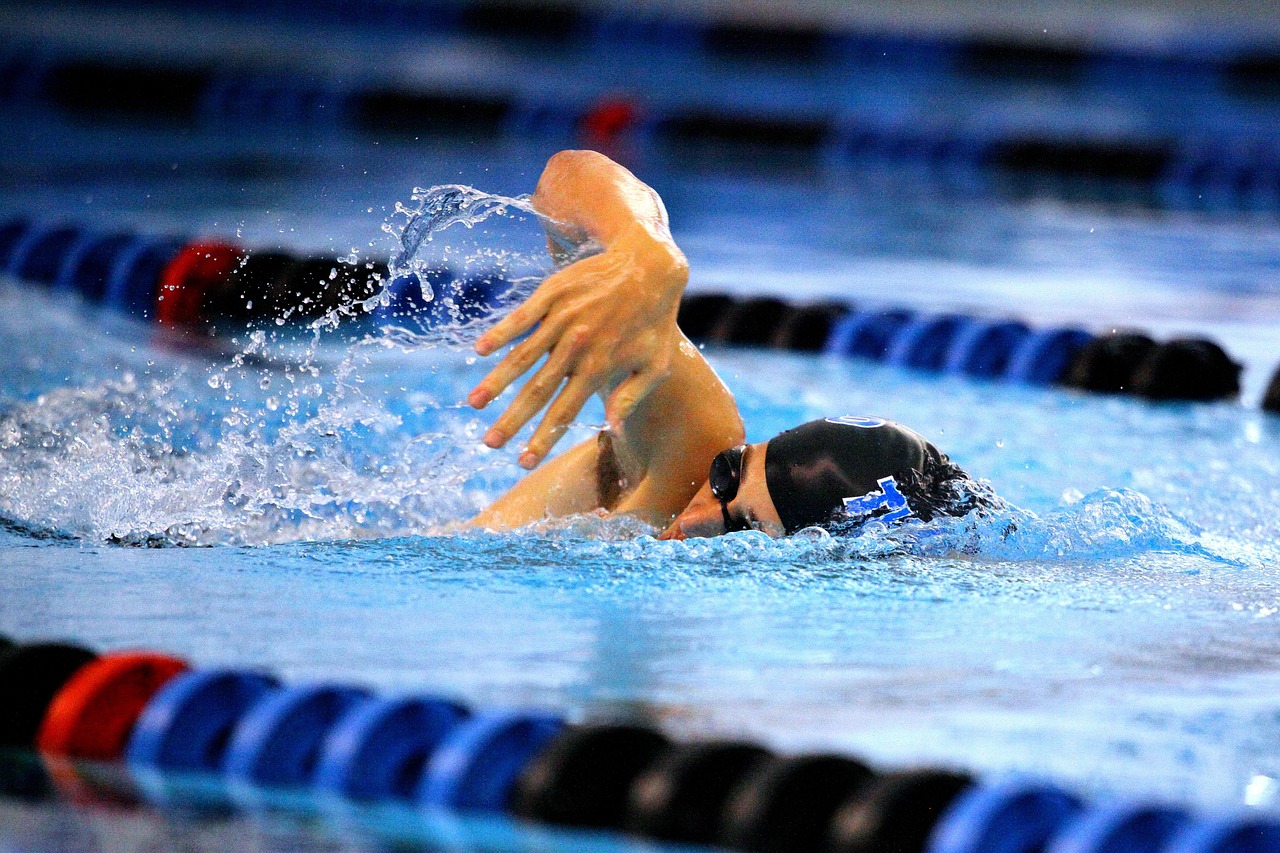

Psychophysiological Aspects of Competitive Swimming
The world of competitive swimming revolves around multifaceted psychophysiological aspects that contribute significantly to performance outcomes. Understanding these factors is essential for athletes looking to improve their efficiency, performance, and overall results in competitions. Both mental and physical features play a pivotal role in achieving peak performance during races. Athletes must focus not just on physical techniques but also on the psychological elements such as motivation, concentration, and anxiety management. Cognitive strategies, including visualization and goal-setting, can enhance overall performance by creating a better mindset. Nutrition and hydration strategies also impact mental acuity and physical stamina, crucial for competition scenarios. Practicing relaxation techniques can help swimmers stay calm and focused in high-pressure situations. Furthermore, the physiological demands of swimming, such as endurance, strength, and speed, necessitate a comprehensive training regime that incorporates both aerobic and anaerobic conditioning. This tailored approach also involves regular assessments of these domains to optimize training outcomes. Overall, gaining a deeper understanding of these psychophysiological factors can lead to significant improvements in competitive swimming performance.
At the core of competitive swimming performance lies the athlete’s psychological resilience. This component is crucial, especially when dealing with the stresses that come from competition. Mental toughness can serve as a decisive factor in overcoming challenges and maintaining focus under pressure. Effective techniques, such as self-talk and imagery, help swimmers manage their emotions and maintain their competitive edge. It is essential for swimmers to engage in positive self-talk to counter negative thoughts that may arise before or during a race. Visualization practices allow athletes to mentally rehearse their race strategies and anticipate potential challenges. Moreover, self-awareness plays a key role in determining the swimmer’s emotional state, enabling them to identify when they need to refocus or adjust their strategies. Utilizing relaxation methodologies, including progressive muscle relaxation or deep breathing, can assist swimmers in centering their focus before competitions. This process not only aids in anxiety reduction but can also enhance performance by improving concentration. Engaging in regular psychological assessments can also equip athletes with strategies that reinforce their mental fortitude, ultimately leading to improved outcomes.
The Role of Physical Conditioning
In competitive swimming, physical conditioning is intertwined with psychological development. A well-rounded conditioning program that targets various muscle groups and energy systems is vital for optimal performance. Strength training builds power, while aerobic conditioning enhances endurance, allowing swimmers to maintain pace over longer distances. Resistance training should include exercises that mimic swimming motions, contributing to improved technique and efficiency. Anaerobic conditioning, crucial for sprint events, helps swimmers develop the explosive power necessary to achieve fast starts and finishes. Training regimens should also be periodized to ensure peak performance is achieved during competitions, taking into account recovery needs and psychological readiness. Coaches play an essential role in monitoring the physical and mental state of their athletes. They can provide feedback that encourages improvement. Nutrition is key in aiding recovery and enhancing performance, as it fuels the intense training demands faced by competitive swimmers. Swimmers must focus on balanced diets rich in carbohydrates, proteins, and healthy fats. Hydration also plays a significant role in maintaining performance levels, as dehydration can lead to both psychological and physiological effects.
Recovery strategies are critical components of the psychophysiological framework in swimming. Recovery allows athletes to adapt to the physical stresses endured during training and competition. It enhances psychological readiness and prevents burnout and injuries effectively. Different recovery strategies encompass both physical and mental techniques. For physical recovery, active recovery sessions, stretching, and adequate sleep are important elements. On the other hand, mental recovery might include mindfulness practices and meditation. Athletes are encouraged to develop personalized recovery plans that suit their specific needs, taking into account factors such as age, training intensity, and individual preferences. The incorporation of restorative methods can assist swimmers in recapturing their focus, eliminating residual fatigue, and enhancing overall performance potential. Regularly scheduled recovery weeks should be part of the training cycle to protect against overtraining. This ensures psychological resilience remains strong, enabling athletes to approach competitive events with confidence and clarity. Moreover, establishing a strong support network, including coaches, teammates, and sports psychologists, can provide additional resources for athletes when dealing with mental and emotional recovery challenges. This holistic approach to recovery not only benefits swimming performance but also fosters overall well-being.
Impact of Stress and Anxiety
Stress and anxiety are inherent aspects of competitive swimming that can dramatically influence performance. Discerning how athletes manage these emotional states is essential for enhancing their competitive experiences. High-pressure situations often lead to increased cortisol levels, which can hinder focus and performance. Athletes often employ various stress management techniques to mitigate these impacts. Techniques such as time management, breathing exercises, and visualization enable swimmers to manage stress effectively. It is paramount for them to perceive stress as a motivational tool rather than a detrimental force. Understanding the importance of pre-competition routines can also help swimmers create consistency and familiarity, reducing anxiety. Coaches should actively encourage athletes to share their feelings and apprehensions, allowing for open discussions about performance-related challenges. Psychological interventions, including cognitive behavioral therapy, have proven effective in helping athletes reframe their thoughts and approach their competitions with a positive mindset. Furthermore, teaching swimmers to embrace visualization and positive affirmations can reinforce a strong self-belief system, enhancing their performance under pressure. Overall, effective stress management profoundly contributes to both the psychological and physical capacities of competitive swimmers.
Technical aspects of swimming, combined with psychological and physiological elements, create an intricate interplay that defines competitive swimmers’ performance. Coaches and athletes must collaborate closely to fine-tune techniques and address any areas needing improvement. Continuous feedback from coaches can pinpoint technical flaws while concurrently providing emotional support. When swimmers possess confidence in their stroke mechanics, it alleviates anxiety, allowing a focus on performance execution. Developing a solid technical foundation encompasses understanding body positioning, stroke mechanics, and breathing techniques, all of which require both physical practice and mental focus. Swimmers must also be educated on race strategies, permitting them to refine their performance further. Strategic pacing or sprinting towards the end of a race can be crucial elements within competitive events. Furthermore, mental rehearsal of stroke execution and pacing can empower athletes to maintain focus amid competition pressures. A well-structured practice environment fosters learning and gradual improvement. Emphasizing consistency is key to mastering techniques, and cultivating resilience helps swimmers face inevitable challenges. Consequently, balanced emphasis on both physical and psychological training yields optimal performance and encourages long-term success in competitive swimming.
Conclusion and Future Directions
In conclusion, an integrated approach that emphasizes both psychophysiological and technical aspects of swimming shapes competitive athletes profoundly. This perspective not only enriches swimmers’ abilities to perform at their best but also supports their mental health and overall well-being. Future research could delve deeper into the effects of advanced psychological training techniques and their impact on performance. Exploring innovations in nutrition and recovery methodologies could also enhance athletes’ performance and recovery strategies. Additionally, understanding the unique needs of individuals across various skill levels could lead to more tailored training programs. Coaches and athletes should continue fostering open communication, promoting mental health awareness, and addressing psychological challenges. On a broader scale, engaging younger generations with comprehensive training programs will instill the importance of both mental and physical health within competitive swimming. Emphasizing a holistic training approach can contribute to developing well-rounded athletes who thrive in their disciplines. Ultimately, success in competitive swimming arises from the dynamic interplay of mental fortitude and physical prowess, encouraging a sustainable and fulfilling athletic journey for swimmers.