
Pre-Workout Nutrition Plans for Individuals with IBS
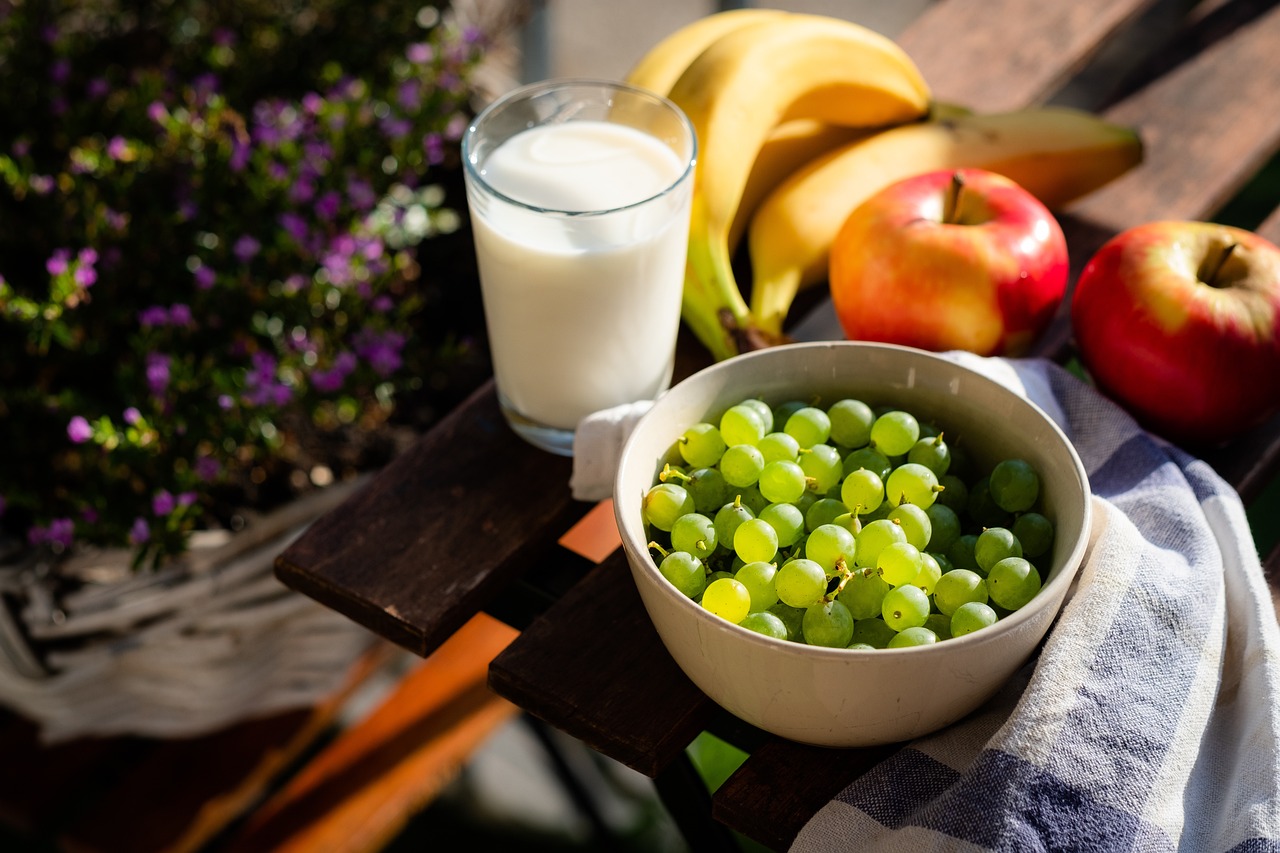
For individuals with Irritable Bowel Syndrome (IBS), crafting an effective pre-workout nutrition plan is essential. IBS can bring about various digestive issues, making meal timing and composition critical. Start your nutrition plan with easily digestible carbohydrates that provide quick energy. Options like bananas, rice cakes, or oatmeal can work well. Pair these with a small amount of protein to enhance muscle recovery; options like Greek yogurt or a protein shake can be suitable. Moreover, it’s important to stick to low-fat options as fats can slow digestion. Additionally, consider hydration. Before your workout, aim to drink enough water to maintain performance. Avoid carbonated or acidic beverages that could trigger discomfort. Listen to your body and adjust your food choices based on your unique triggers. Keeping a food diary can help you identify what works well and what doesn’t. Ultimately, the goal is to fuel your body while avoiding any food that may exacerbate IBS symptoms. Create a consistent eating schedule, ideally eating about one to two hours before exercising. Doing so gives your body adequate time to digest and utilize nutrients effectively.
Benefits of Personalized Nutrition
Personalized nutrition is especially beneficial for people with IBS who want to engage in regular exercise. Each individual’s experience with IBS can vary widely, so customizing nutrition recommendations can help optimize energy and digestion. A tailored approach considers factors like specific food intolerances, personal activity levels, and even gut microbiota composition. For instance, one person might thrive on a diet high in soluble fiber, while another may need to avoid it. Utilizing tools like the FODMAP diet can guide individuals in selecting foods that minimize gastrointestinal discomfort. A registered dietitian can work with individuals to develop modified meal plans that accommodate their unique needs. Implementing foods such as low-FODMAP grains, lean proteins, and non-citrus fruits allows individuals to achieve their nutritional targets while still managing IBS symptoms. Additionally, keeping meals small and frequent may lead to improved digestion. This prevents overwhelming the gut and can subsequently enhance performance during physical activities, such as resistance training or cardio. Balancing macronutrients is paramount. Focus on achieving energy levels that support your workout while being mindful of symptom management strategies.
Timing your meals around workouts significantly impacts performance and overall gut health. For individuals with IBS, pre-workout meals should focus on both timing and composition. Consuming your pre-workout snack within one to two hours before your workout ensures that digested nutrients contribute to your performance effectively. Additionally, opting for smaller meals helps in preventing abdominal discomfort. Consider simple recipes that can easily be prepared and digested. For example, a smoothie made with low-FODMAP fruits, spinach, and protein powder can provide necessary nutrients without bloating. Avoid large meals that can sit heavy in your stomach. Instead, focus on portions that are manageable. Portion control becomes crucial as you find the balance between feeling satisfied and not overloading your digestive system. Make use of familiar foods that do not trigger discomfort. Tuning in to feelings of hunger and satisfaction is essential for maximizing your workout experience. Moreover, paying attention to how different foods influence your energy levels can guide future meal choices. This process can take time, but with patience, you can identify recipes and snacks that work effectively for your body.
Choosing the Right Foods
When planning pre-workout meals, food choice plays a critical role in supporting workouts while managing IBS. Focus on foods rich in complex carbohydrates while avoiding high-FODMAP or processed options. Great examples include quinoa, sweet potatoes, and gluten-free bread. These carbohydrate sources provide sustained energy and help maintain steady blood sugar levels during workouts. Added protein sources can include eggs or chicken breast, paired in moderation to keep digestion smooth. Load up on electrolytes by adding small amounts of sodium or magnesium to your food, especially if you’re sweating a lot. Additionally, consider healthy hydrating options like coconut water or herbal teas. Avoid any foods that cause gas, such as beans, cruciferous vegetables, and highly acidic foods. It’s essential to create a balanced composition of macronutrients while keeping digestive comfort in mind. Experimentation is crucial, too—try different combinations during non-workout days to see how they affect your gut. Keeping it simple and consistent might be the best strategy until you identify personal preferences and restrictions. This effort will lay the groundwork for a functional plan that offers energy and keeps IBS symptoms in check.
Listening to your body is essential when developing a pre-workout nutrition plan. As someone with IBS, you may experience specific food triggers that can affect performance negatively. Keeping a detailed food diary aids in understanding which foods work for you and which may not. Alongside this practice, consider incorporating low-intensity workouts initially. Engaging in light exercises will allow you to better assess how your dietary choices impact your performance. Once you find a range of effective foods, you can increase workout intensity accordingly. Pay attention to how your body responds after different meals before workouts. Signs of bloating, cramping, or fatigue indicate that adjustments need to be made. Also, always ensure that your eating schedule aligns with your workout routine; a consistent routine can help alleviate gastrointestinal symptoms. Aim for a gradual approach with new foods to assess tolerance. Bringing mindfulness to this process is a valuable tool, leading to improved gut health. Gradually expanding your meal options while noting any adverse reactions enables deeper insights. Hence, self-awareness becomes an important ally as you navigate pre-workout nutrition effectively.
Hydration and Its Importance
Maintaining optimal hydration before workouts is essential for everyone, especially those managing IBS. Hydration supports digestion and can help alleviate some IBS symptoms. Drinking sufficient water ensures that your system functions properly during your exercise. A good rule of thumb is to consume at least 500ml of water before your workout. Avoid sugary or caffeinated beverages, as they can stimulate gut movement and may lead to discomfort. Instead, use plain water or herbal teas as your primary source of hydration. Include a splash of lemon in your water if citrus does not trigger your IBS symptoms; it can also provide a refreshing taste. It’s crucial to remember electrolytes lost through sweating; including electrolyte-infused water can help replenish them. Other options such as coconut water or homemade electrolyte drinks offer both hydration and benefits without causing distress. Draft a hydration strategy based on your workout intensity; longer workouts may require more attention to fluid intake. Just as with foods, monitoring your body’s signals during and after workouts can help you understand your hydration needs better.
Lastly, a post-workout nutrition strategy is fundamental, particularly for those with IBS. Recovery begins immediately after your workout, and refueling your body is crucial; aim to eat a meal within 30 to 60 minutes after finishing. This meal should ideally comprise lean protein and carbohydrates to facilitate recovery and muscle synthesis. Choose proteins such as turkey, chicken, or plant-based options like peas for their easy digestibility. Combine these with carbohydrates like sweet potatoes or brown rice. In addition, include a small serving of healthy fats to your meals, as long as they don’t upset your stomach. Incorporate fermented foods whenever possible, as they foster a healthy gut microbiome. Options like kefir or yogurt are not only nutritious but beneficial for gut health. As always, continue keeping track of food intake and symptoms during this phase. The aftermath of workouts can be challenging; attentiveness to your body’s reactions helps in optimizing post-workout nutrition. Lastly, engage in a variety of foods to keep your meals interesting while tailoring your approach to your needs and preferences.
This can significantly enhance both your workout performance and overall wellbeing.