
Pilates for Neurological Physical Therapy Patients
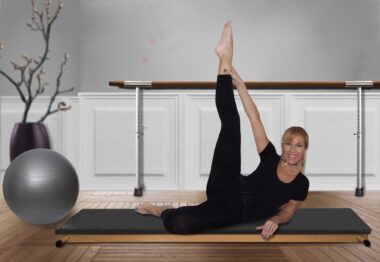
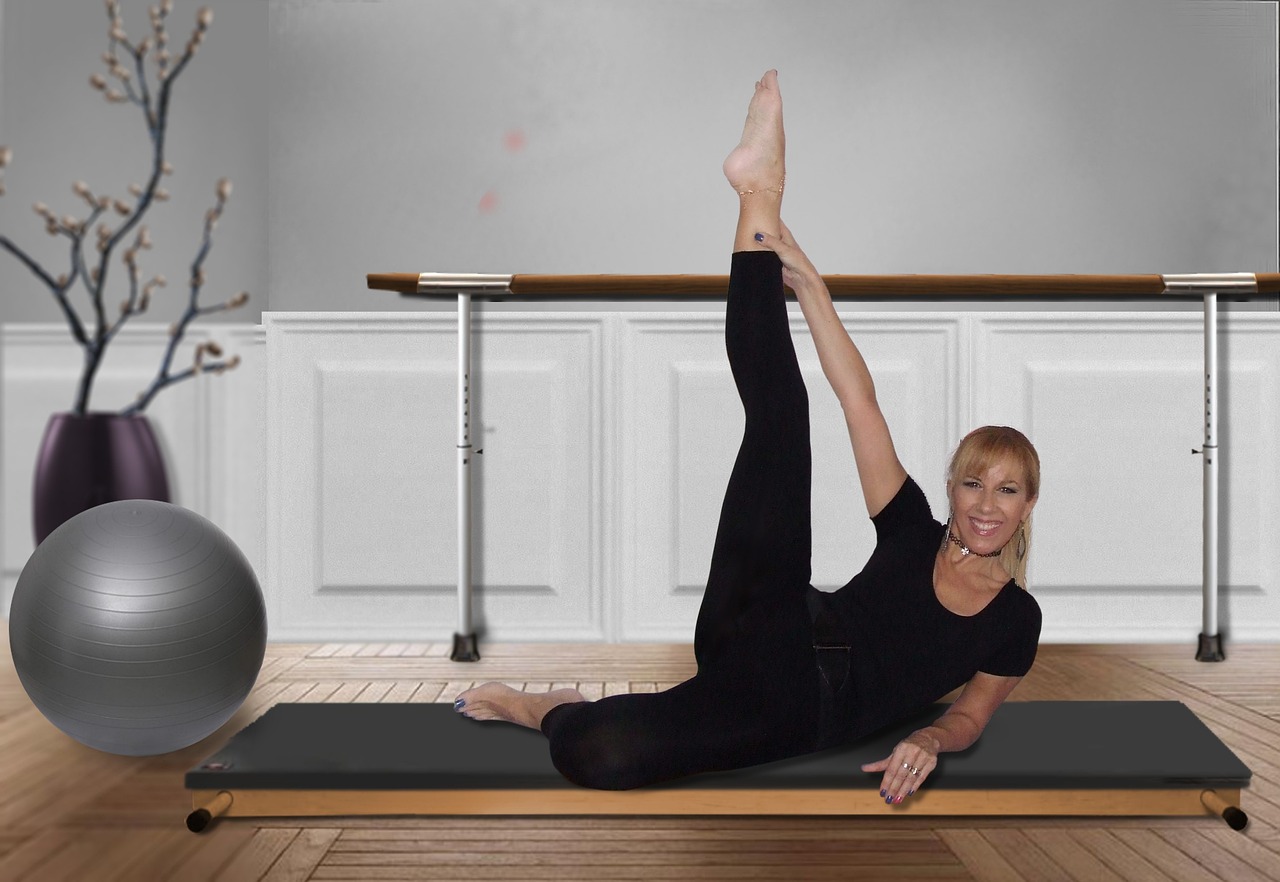
Pilates is a holistic approach to rehabilitation and wellness that can significantly benefit neurological physical therapy patients. The practice focuses on core stability, balance, and flexibility, which are essential for individuals recovering from neurological conditions. Tailored exercises engage both the mind and body, enhancing the patient’s awareness of movement. This increased awareness can lead to improved coordination. In neurologically-focused Pilates sessions, customization is key, allowing adaptations to various patient needs and abilities. Each patient’s unique condition calls for a carefully constructed program. Group classes may also foster a sense of community and support among participants, providing an encouraging environment. Practitioners can utilize specialized equipment like the Reformer, which allows for varied resistance and modifications. As patients progress, Pilates can help build strength and promote greater mobility. Incorporating this method into rehabilitation routines creates an integrated path toward recovery. Besides physical benefits, the practice may have psychological advantages. Patients often experience improved mood and reduced anxiety levels. Ultimately, Pilates for neurological patients is about creating a balanced mind-body connection.
How Pilates Prepares for Neurological Recovery
Engaging in Pilates can serve as a critical preparatory step for neurological recovery. By focusing on breath and controlled movement, patients become attuned to their bodies while enhancing functional movement patterns. This awareness is crucial as it helps patients in their daily lives. Each Pilates session encourages gentle strengthening and lengthening of muscles without excessive strain. As patients regain strength, they may find increased ease in performing activities that were formerly challenging. Incorporating gentle stretches can help improve flexibility, an essential component of recovery for neurological patients. Specific Pilates exercises can aid in restoring lost range of motion by targeting key muscle groups. Additionally, attention to spinal alignment fosters a sense of stability, promoting better posture and balance. Throughout all sessions, an emphasis on mindful breathing aids in relaxation, reducing stress and tension. Pilates practitioners often see benefits in proprioception, further enhancing coordination. Over time, patients may experience enhanced confidence as they achieve small milestones in their rehabilitation. With adaptable routines, Pilates allows for ongoing progress as abilities improve, making it an excellent choice for long-term recovery.
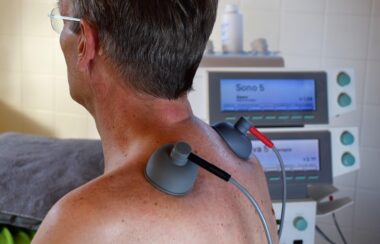
For neurological patients, the collaborative approach of Pilates and physical therapy creates an effective rehabilitation strategy. These disciplines overlap, complementing each other’s goals in restoring function and mobility. Many physical therapists recognize the value of involving Pilates techniques in recovery processes. With guidance, therapists can integrate specific Pilates exercises into individualized treatment plans tailored to each patient’s requirements. This integration can address both physical and psychological aspects of recovery. Developing a strong core is vital, as it lays the foundation for improved balance and stability. Participants often start with basic exercises before progressing to more complex movements as strength builds. This gradual approach ensures safety while fostering a sense of accomplishment. Teamwork among healthcare providers, including physical therapists and certified Pilates instructors, optimizes patient outcomes. Consistent communication allows for adjustments throughout the rehabilitation journey. Additionally, incorporating education into each session enhances patient engagement. Understanding the purpose behind each exercise fosters motivation and commitment. Patients can track their progress and gain insight into their improvements. Cultivating this collaborative environment empowers patients on their journey toward recovery.
Benefits of Pilates for Neuro Patients
There are numerous benefits associated with Pilates for neurological patients. Improved mobility is often one of the most noticeable gains. Targeting specific muscle groups helps restore movement patterns that may have been compromised. With enhanced muscle function, patients often report recovering their independence in everyday tasks. Beyond physical improvements, the practice promotes mental well-being. The meditative aspect of focusing on breath and movement tends to reduce anxiety levels, leading to better emotional stability. Participants can enjoy the social aspects of group classes, forming connections that contribute to a sense of belonging. In addition to psychological gains, Pilates can lead to better sleep quality, which is vital during the recovery process. Patients learn to listen to their bodies while engaging in supportive movements. This process enhances body awareness and has lasting effects on overall health. Furthermore, Pilates encourages patients to embrace a positive mindset. As they build strength and capability, patients develop a desire to pursue physical activity beyond therapy sessions. With improved confidence, individuals may become more receptive to trying new activities, expanding their horizons while enhancing health.
Adapting Pilates for various neurological conditions is essential for success. Conditions such as stroke, multiple sclerosis, and Parkinson’s disease require tailored adjustments to exercise selections and techniques. Therapists must conduct thorough assessments before designing programs, ensuring patient safety and feasibility. Modifications may include utilizing apparatus like the reformer or foam rollers. These tools offer support and make specific movements achievable. In addition, it is crucial for instructors to maintain ongoing communication with patients about their comfort levels throughout sessions. Regular check-ins can help gauge the effectiveness of exercises, allowing for necessary adjustments. For instance, if a patient feels fatigued, modifications can simplify the routine. This adaptability ensures patients remain engaged without overexerting themselves. Additionally, classes may include gentle progressions, providing small challenges that foster motivation. Encouraging autonomy within practice is beneficial, as patients actively participate in choosing their focus areas. Creating an empowering environment cultivates resilience and encourages patients to take charge of their recovery. Lastly, group activities can be organized to promote camaraderie, adding vital social elements to the rehabilitation experience.
Pilates as a Complementary Practice
Combining Pilates with traditional physical therapy offers enhanced benefits for patients. While physical therapy focuses mainly on rehabilitation techniques, Pilates complements this approach by adding an emphasis on movement control and core stability. In this way, patients receive exposure to a broader range of techniques that promote overall wellness. Additionally, Pilates emphasizes functional movement, which translates directly into daily life activities. For many patients, this translates to significant improvements in their ability to carry out routine tasks, from walking to maintaining balance. The varied modalities involved in Pilates sessions foster a more enjoyable atmosphere, promoting patient engagement. Instructors can incorporate music and creative movements to heighten enjoyment while maintaining focus on therapeutic goals. Furthermore, patients learn valuable skills that can be practiced at home, reinforcing the principles of their therapy journey. This approach cultivates independence and accountability in recovery. As progress occurs, patients often feel a growing sense of accomplishment that helps build self-esteem. Therefore, Pilates does not merely serve as a physical practice but as a holistic lifestyle approach towards wellness. This combination leads to more profound and sustained improvements for patients.
In conclusion, Pilates presents a transformative opportunity for neurological physical therapy patients. By integrating the principles of Pilates into rehabilitation programs, patients can experience a comprehensive approach to recovery. The unique blend of movement, breath, and mindfulness encourages improvements in physical, emotional, and psychological aspects of healing. From enhanced mobility and strength to greater self-efficacy, patients can reap the benefits of consistent practice. Individualized programs, tailored to specific conditions, allow for optimal progress and recovery pathways that suit each patient. This adaptability ensures that all abilities are taken into account, allowing anyone to engage in the practice. Additionally, the community aspects foster social connections that form invaluable support networks. With ongoing motivation, patients can achieve their long-term health and wellness goals. Pilates stands as a powerful tool in the arsenal of neurological rehabilitation strategies. By building a solid foundation of movement, patients may ultimately regain independence in their lives. As awareness of Pilates grows within the therapeutic community, its role will undoubtedly expand, offering new horizons for patients on their journey toward recovery.