
Incorporating Omega-3 Fatty Acids in Vegan and Vegetarian Diets
Omega-3 fatty acids are crucial for overall health and well-being, especially for those following vegan or vegetarian diets, as these diets can sometimes lack adequate sources of these essential fats. The primary sources of omega-3s include fatty fish, which are not included in vegan or vegetarian eating patterns. Therefore, it’s important for individuals to know alternative sources to meet their nutritional requirements. The three main types of omega-3 fatty acids are ALA (alpha-linolenic acid), DHA (docosahexaenoic acid), and EPA (eicosapentaenoic acid). ALA is found in plant-based foods, while DHA and EPA are typically found in marine sources. Plant-based eaters can benefit from consuming ALA-rich foods like flaxseeds, chia seeds, walnuts, and hemp seeds, ensuring they get adequate omega-3 fatty acids. It’s also worth noting that the body can convert ALA into DHA and EPA, although the conversion rate is relatively low. Thus, paying attention to both type and quantity of omega-3 intake is vital for those avoiding fish and other animal products, leading to optimized health outcomes.
Plant-Based Sources of Omega-3
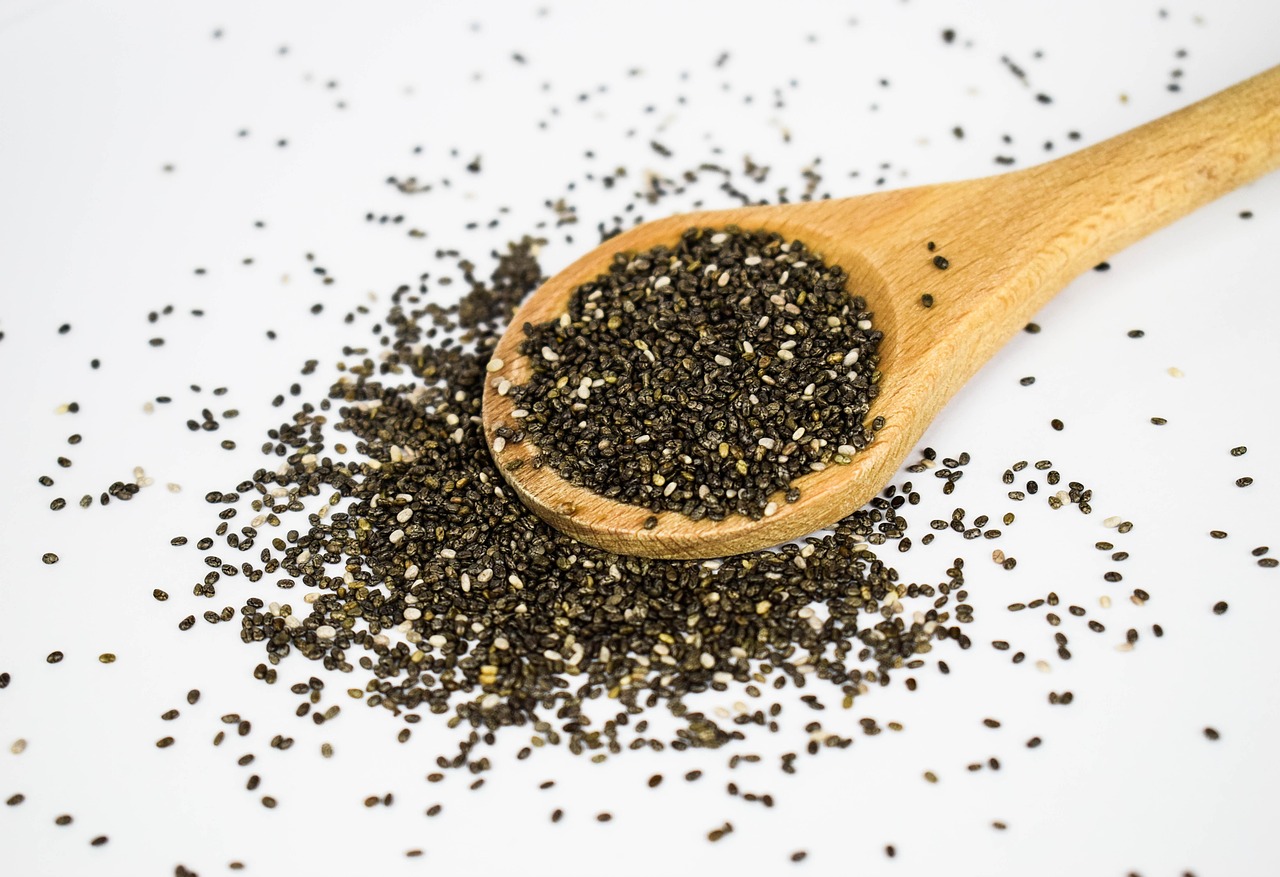
To effectively include omega-3 fatty acids in a vegan or vegetarian diet, one can focus on various plant-based sources. Some of the richest sources of ALA are flaxseeds, chia seeds, clinical-grade algal oil, and walnuts. Flaxseeds are particularly nutrient-dense, containing up to 6,000 mg of ALA per tablespoon. Ground flaxseeds are easier to digest, making it essential to incorporate them into smoothies, yogurts, or baking recipes. Chia seeds offer flexibility, while hemp seeds can be sprinkled onto salads or blended into smoothies. Algal oil is derived from marine algae and serves as a direct plant source of both DHA and EPA, providing a viable supplement option for vegans. Moreover, edamame beans and Brussels sprouts also contribute to omega-3 intake, making them great additions to meals. By diversifying food choices, individuals can ensure they consume sufficient amounts of omega-3s and maintain optimal health. Additionally, enriching dishes with these seeds or oils not only boosts omega-3 intake but also enhances flavor, providing benefits both nutritionally and culinarily.
Importantly, the recommended daily intake of ALA varies based on age and gender. For adults, it is suggested to aim for approximately 1.1 to 1.6 grams of ALA per day. For pregnant and lactating women, the recommended intake may be higher, requiring careful attention to dietary sources or supplementation. Individuals should evaluate their current dietary patterns and incorporate suitable foods that can help meet these recommended levels of omega-3 intake. It’s also essential to maintain a balanced ratio of omega-3 to omega-6 fatty acids. In the Western diet, omega-6s are generally over-consumed, leading to inflammatory responses, while omega-3 intake can be insufficient. Consuming more omega-3 rich foods can help balance this ratio, promoting overall health and well-being. Consider tracking omega-3 intake through food journals or apps, ensuring you’re meeting daily requirements. Consulting with a registered dietitian may also be beneficial for personalized dietary advice and effective incorporation of omega-3 foods into your meals. This individualized approach can enhance both omega-3 levels and overall health.
Omega-3 Supplements
For those who find it challenging to meet their omega-3 needs through food alone, supplements are an available option. Vegan omega-3 supplements primarily come from algal oil, supplying DHA and EPA without using fish. These supplements offer an effective way for vegetarians and vegans to ensure they are getting adequate omega-3. When choosing an omega-3 supplement, opt for products that provide clear dosages for DHA and EPA. Consult with healthcare providers for recommendations best suited to your health needs. Regular intake of such supplements can help improve cognitive function, reduce inflammation, and support cardiovascular health. Additionally, be mindful of the omega-3 supplement’s purity and environmental impact, supporting brands that prioritize sustainable sourcing. Always check for third-party testing to guarantee product quality and lack of contaminants. This can be particularly important in navigating the supplement market and ensuring you get a viable product. Combining supplements with a diet rich in omega-3 foods can help achieve optimal health benefits. Prioritizing omega-3 intake contributes significantly to a well-rounded, nutrient-dense vegan or vegetarian diet.
In conclusion, incorporating omega-3 fatty acids into vegan and vegetarian diets is both feasible and essential for maintaining overall health. By emphasizing ALA-rich foods such as flaxseeds, chia seeds, and walnuts, individuals can ensure they are meeting their omega-3 intake goals. The importance of a balanced intake of omega-3 and omega-6 fatty acids cannot be overstated, as it fosters better health outcomes and reduces inflammation risks. For those struggling to obtain adequate omega-3 from food alone, considering algal oil supplements can provide a simple solution. Taking a proactive approach to nutrition by recognizing the significance of omega-3s will pave the way for better long-term health. Exploring a variety of sources, both dietary and supplemental, increases the likelihood of achieving adequate omega-3 intake. Proper education on the benefits and sources of omega-3 can empower individuals, particularly those following plant-based diets, in their nutritional journeys. With the right strategies, it’s entirely possible to thrive on a vegan or vegetarian diet while ensuring that the body is receiving enough of these essential fatty acids, thereby promoting optimal health.
Final Thoughts on Omega-3 Fatty Acids
Being knowledgeable about omega-3 fatty acids can transform how you approach nutrition on a vegan or vegetarian diet. It challenges individuals to get creative with their meals and explore various food combinations that enhance omega-3 intake. Exploring innovative recipes featuring omega-3 sources can make adhering to dietary recommendations enjoyable. From chia puddings to flaxseed smoothies, there are plenty of delicious options to consider. Additionally, maintaining awareness of omega-3 benefits encourages more intentional consumption of these foods, creating positive long-term habits. Always remember that health is a holistic journey that involves monitoring the quality of fats you consume. Strive for balance and sustainability in your dietary choices while actively making room for omega-3 rich foods. Engaging in community discussions about plant-based nutrition can enhance collective knowledge and inspire others. Sharing experiences and recipes can strengthen supportive networks, benefiting everyone involved. By fostering a greater understanding of omega-3s, vegans and vegetarians can thrive, making healthier dietary choices that contribute to overall well-being.
In summary, the effective incorporation of omega-3 fatty acids into a vegan or vegetarian diet requires awareness and effort. With a wide array of plant-based sources available and the option of supplementation, meeting omega-3 needs becomes achievable. The right strategies can help individuals achieve health goals while enjoying the diverse flavors of plant-based foods. By prioritizing omega-3 intake, individuals can significantly enhance their overall health and well-being. The benefits of receiving adequate omega-3s extend beyond just physical health; they also promote improved mental clarity and emotional stability. Adapting recipes, trying new foods, and being open to nutritional supplements can lead to a more satisfying diet. Overall, embracing a holistic approach to health by focusing on nutrients such as omega-3 fatty acids is pivotal to thriving in a vegan or vegetarian lifestyle. Engage with dietitians or health practitioners when needed to ensure your diet meets health standards. Healthy fats are key to nutrient balance, and omega-3s stand as a crucial component of this aspect, filling gaps in nutrition while supporting active lifestyles.
Additional Resources
To further assist in incorporating omega-3 fatty acids into vegan and vegetarian diets, a variety of resources are available for nutrition education. Online platforms offer ample recipes, blogs, and webinars covering essential aspects of vegan nutrition. Community organizations often host classes or workshops focused on plant-based cooking and meal prep, which can foster a deeper understanding of omega-3 sources. Engaging with these resources can offer practical knowledge while providing motivation and inspiration for dietary changes. Websites and apps tracking nutrient intake can also help ensure omega-3 levels are being met consistently. The growing number of resources available creates a supportive environment for individuals gradually transitioning to or maintaining plant-based diets. These can empower individuals to take charge of their health journey confidently. Seek out credible sources when looking for nutrition information to ensure recommendations are scientifically sound and practical. Emphasizing community engagement through recipe sharing, local markets, or support groups can create a robust network, fostering accountability. Taking proactive steps in educating oneself about omega-3 fats encourages healthier choices and enhances overall dietary satisfaction.