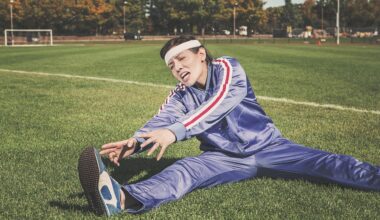

How Dance Fitness Can Help Improve Kids’ Posture
Dance fitness is a fun way for kids to express themselves while promoting physical health. One of the notable benefits of dance fitness for kids is its positive impact on posture. Engaging in dance routines encourages children to develop body awareness, which is essential for enhancing their overall posture. As kids learn different dance moves, they become increasingly mindful of how they hold their body in various positions. This heightened awareness is crucial as it helps prevent slouching, which is common in children who spend much time sitting, especially during school hours. Furthermore, dance fitness incorporates strength-building exercises that target the muscles responsible for maintaining good posture. By strengthening these muscles, kids can develop a natural alignment of their spine, which reduces the likelihood of developing posture-related issues as they grow. Combining enjoyment with a strong physical component makes dance fitness an effective tool for parents wanting to support their children’s health. Thus, introducing dance fitness in their routines can create a sustainable habit that promotes proper posture throughout their lives.
Building Confidence Through Movement
Participating in dance fitness helps children gain confidence in their physical abilities, ultimately influencing their body language and posture. When kids feel confident about their movements, they are more likely to carry themselves with an upright posture. This change shows in their day-to-day interactions, and they begin to walk with more poise and assurance. Dance routines often require kids to showcase various movements, from stretching to jumping, which can contribute to a more open and assertive body stance. Activities that involve collaboration also foster social skills, making children more comfortable when they perform. The combination of movement and teamwork enhances their self-esteem greatly. Furthermore, dance fitness can mitigate body image concerns that may lead to poor posture. By reinforcing a positive self-image, children are more inclined to maintain an upright position rather than hiding their bodies due to insecurities. Overall, the confidence gained through dance can have lasting benefits, not just in terms of posture but in every aspect of their lives, including interpersonal relationships and self-advocacy.
In addition to improving body awareness and confidence, dance fitness serves as an excellent avenue for enhancing strength and flexibility in kids. These two physical attributes directly contribute to better posture. When children engage in dance, they are challenged to stretch their muscles and improve their range of motion, crucial for maintaining an upright posture. Strength is equally important; a child with strong core muscles is better equipped to support their spine. Many dance fitness routines integrate various movements that naturally engage core muscles, promoting overall strength. For instance, ballet-inspired exercises and hip-hop routines both require balance and coordination, reinforcing muscle development that supports good posture. Flexibility gained through dance can also alleviate muscle stiffness, allowing children to move freely and naturally. Consequently, kids become less prone to slumping or leaning, as they learn to hold themselves upright without strain. Dance fitness essentially combines fun with fundamental physical health benefits, providing a holistic approach to improving posture, strength, and flexibility for young participants, which can lead to a lifetime of healthy habits.
Engaging Different Muscle Groups
Another benefit of dance fitness in improving kids’ posture is how it engages multiple muscle groups. Kids often focus on specific muscle areas during physical activities, but dance requires coordination and engagement of major muscle groups simultaneously, promoting overall muscular balance. Such engagement is critical because poor posture frequently arises from imbalances, with certain muscles becoming weak or overdeveloped compared to others. Dance fitness routines involve movements that activate the core, back, and shoulder muscles, essential for maintaining optimal posture. For instance, as children perform turns or elevate their arms, they unconsciously activate stabilizing muscles in the back and abdomen, which are crucial in keeping the spine aligned. Moreover, these routines often emphasize movements that stretch and strengthen the torso, leading to a more elongated, upright stature as the child develops better muscular control. It becomes apparent that incorporating diverse movements increases body awareness and strength. Therefore, a consistent dance fitness routine can significantly enhance a child’s posture by addressing muscular imbalances and fostering better overall physical development through engaging activities.
The sheer joy of dance fitness also contributes positively to children’s posture improvement. When kids enjoy their physical activity, they are more likely to participate regularly, enhancing the long-term benefits for muscle strength and flexibility. Consistency is key in reaping the full benefits of any exercise regimen, and enjoyment can fuel that commitment. Positive reinforcement from instructors and peers also plays a vital role in sustaining participation. When children receive praise while dancing, they become more motivated to push themselves further, resulting in better performance and technique over time. As their technique improves, they develop more control over their body positioning and alignments. Additionally, the break from traditional forms of exercise that dance offers can make fitness less boring, creating a more engaging environment. In this playful atmosphere, kids can express themselves and explore their physical abilities without pressure, significantly enhancing their overall experience. Therefore, the enjoyment factor of dance fitness is not only foundational to participation but also enhances vital components that contribute to improving posture.
Promoting Social Interactions
Beyond physical benefits, dance fitness serves as an excellent platform for social interaction among kids, which indirectly influences their posture. When children participate in group classes or dance teams, they foster friendships and build connections with peers. These social interactions encourage a supportive environment where kids feel valued, which can lead to more confident self-expression, including how they carry their bodies. Interpersonal relationships often encourage children to adopt enhanced social postures. When children are engaged with their peers, they are more inclined to stand tall and project confidence, which solidifies the importance of maintaining good posture. Engaging with others in dance settings encourages children to express their personalities openly, which might lead to more upbeat and positive body language. As they interact, peers often model each other’s behavior, creating a ripple effect where positive postures and confident stances are adopted. Dance fitness provides a unique blend of physical activity and socialization, merging health benefits with important life skills development, all of which contribute positively to a child’s ability to maintain good posture.
In conclusion, incorporating dance fitness into a child’s routine holds numerous benefits beyond mere enjoyment. The activity supports the development of body awareness, confidence, strength, and flexibility, all of which are essential components of good posture. Engaging different muscle groups ensures that children develop postural balance, while the joy of dance keeps them committed to regular physical activity. Social interactions within dance fitness settings enhance children’s self-esteem and promote positive body language, further promoting better posture. This multifaceted approach highlights the importance of nurturing healthy habits in children, starting from an early age. Exploring activities such as dance fitness can set the foundation for a physically and socially enriched lifestyle, allowing kids to thrive as they grow. Thus, parents and caregivers should consider enrolling their children in dance fitness programs to support their overall development and, importantly, improve their posture. With so many benefits to gain, it’s clear that dance fitness is not only fun but also a significant investment in children’s long-term health and well-being.