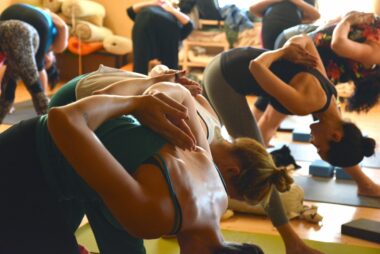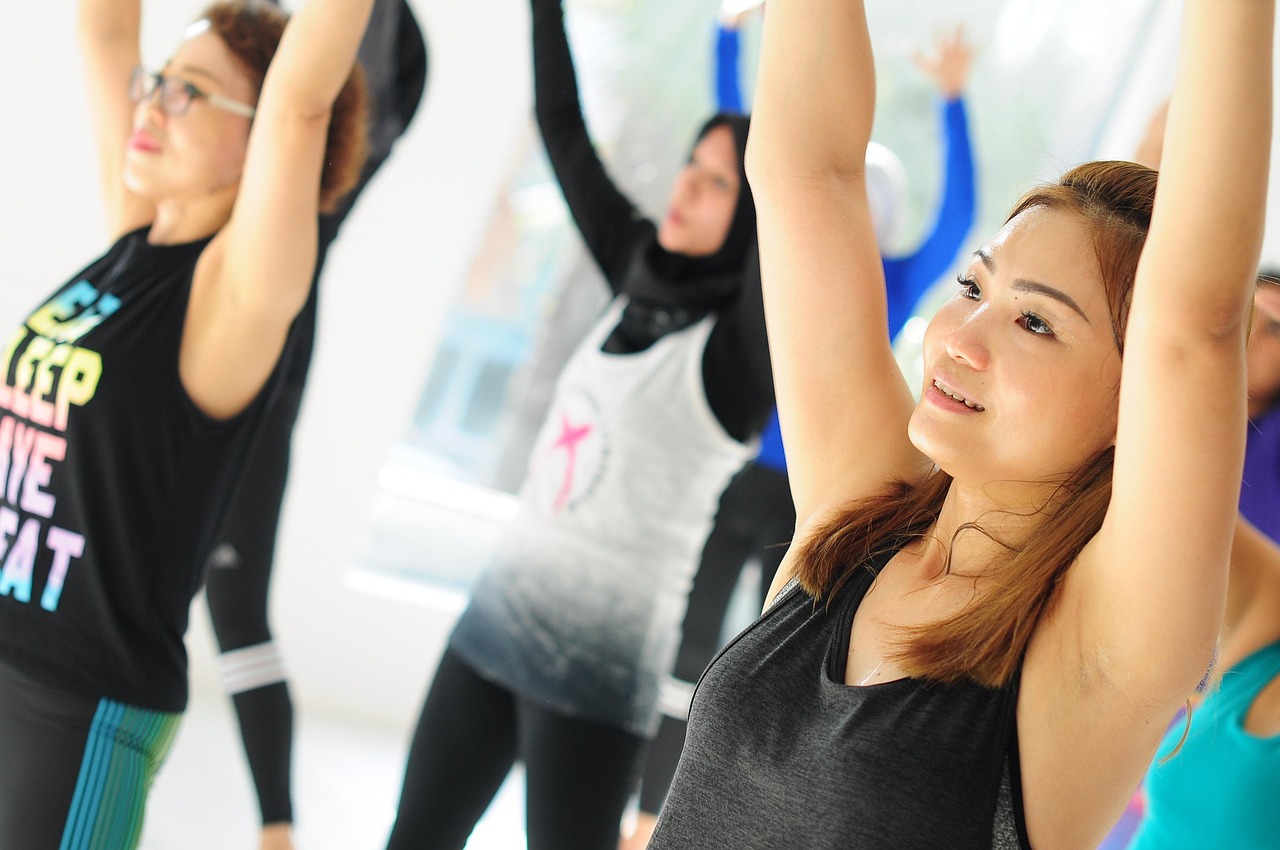

Group Functional Fitness Training: Benefits and Trends
Group functional fitness training has rapidly gained traction among fitness enthusiasts worldwide. As an innovative approach to physical conditioning, it combines elements of strength training, agility, and endurance in engaging and varied workouts. Participants benefit from a supportive community, improving motivation and consistency. Instructors adapt routines to cater to individual skill levels, ensuring that everyone can meet their fitness goals effectively. This trend caters to varying demographics, from beginners to seasoned athletes looking to enhance performance through functional movements. Group settings foster camaraderie and accountability, which are key factors for sustaining lifestyle changes. Moreover, the social dynamics encourage participants to challenge themselves and push their limits. As group fitness training continues to evolve, innovative formats such as boot camps, circuit training, and high-intensity interval training (HIIT) are becoming increasingly popular. Adding diverse elements not only keeps workouts fresh but also enhances overall engagement. It’s no surprise that fitness centers and gyms are embracing group functional fitness training as a staple in their schedules, competing to offer the best programs to attract diverse clientele. Ultimately, the rise of functional fitness in group settings contributes to healthier communities. Additionally, these trends are expected to shape and redefine local and global fitness landscapes.
The benefits of group functional fitness training extend beyond physical improvement to mental well-being. Participating in workouts with others fosters a sense of belonging and camaraderie, which positively influences emotional health. Studies show that regular exercise can alleviate stress, anxiety, and depression. Engaging in training sessions with a group provides valuable social interaction, enhancing mood and overall feelings of happiness. Additionally, accountability becomes a significant factor as participants motivate one another to remain committed to their fitness journeys. With the blend of social support and targeted workouts, achieving personal fitness goals becomes far more attainable. Experts emphasize the importance of community involvement in this type of training, noting that enhanced motivation leads to long-term adherence. Having workout buddies encourages consistency, as individuals feel less inclined to skip sessions. Group training inherently incorporates a fun aspect, as attendees participate in challenging workouts that infuse playfulness and enjoyment. These positive experiences help participants view fitness more favorably, which promotes a sustainable active lifestyle. Moreover, trainers can create varied sessions that cater to all abilities, providing modifications and challenges. Ultimately, the mental health benefits of group functional fitness training are profound, contributing to holistic wellness among participants.
Innovative Trends in Group Workouts
Innovative trends are continuously reshaping the landscape of group functional fitness training. Technological advancements play a pivotal role in enhancing the experience and accessibility of such programs. Fitness apps enable users to track progress, connect with instructors, and join virtual group classes, transcending geographic limitations. Moreover, streaming services offer a plethora of workouts, allowing participants to choose sessions that align with their interests or fitness levels. Online communities foster a sense of belonging beyond the physical gym space, encouraging engagement and accountability even when exercising remotely. Furthermore, inclusive programming has gained prominence, with trainers striving to accommodate individuals with disabilities and varying needs. By offering modifications and creating adaptive exercises, everyone can enjoy the camaraderie and benefits of group training. Another notable trend is the integration of recovery and mobility sessions into workout routines. These components focus on injury prevention and holistic wellness, ensuring participants are well-rounded in their fitness endeavors. Classes that emphasize core stability, flexibility, and functional movement patterns are becoming more commonplace. Overall, embracing these innovative trends not only caters to diverse audiences but also ensures adherence to fitness goals while fostering a positive workout atmosphere.
Community engagement is a cornerstone of successful group functional fitness training. Establishing a vibrant fitness culture within local environments encourages participation and fosters a supportive network. Group workouts can transform into social events, where friendships flourish outside exercise sessions. Creating opportunities for social interaction, such as health seminars or fitness challenges, enhances the sense of belonging among participants. Furthermore, many fitness centers actively engage with their communities through charity events, inviting members to support a cause together. These initiatives not only promote group fitness but also contribute positively to local welfare. Trainers play a crucial role in facilitating community bonds by cultivating inclusive atmospheres that welcome individuals from diverse backgrounds. Through challenges and group achievements, members grow closer, creating an encouraging space for personal growth. Celebrating milestones together, whether it’s completing a notable workout or personal training goals, contributes to a strong sense of unity. Fitness competitions and themed events often add an exciting flair to group training sessions, keeping participants engaged. This heightened sense of community translates into increased loyalty towards gyms and fitness programs, allowing both local organizations and their participants to thrive as a collective. Ultimately, nurturing community connections is key in group functional fitness training.
The Role of Instructors
Instructors play a pivotal role in shaping the experience of group functional fitness training. Skilled trainers not only guide participants through exercise routines but also inspire them by creating an engaging and energetic environment. Their expertise ensures participants perform exercises safely and effectively, minimizing the risk of injury. Instructors must stay updated on the latest fitness trends and advancements, continuously expanding their knowledge to provide effective training. Additionally, fostering a positive atmosphere is essential, as it encourages participants to challenge themselves while feeling supported. Establishing strong connections with attendees enhances motivation, leading to higher rates of program adherence. Moreover, effective communication skills allow instructors to give clear instructions and provide feedback in real time. Fostering group dynamics encourages cooperation among participants while emphasizing the significance of collective efforts and inclusivity. Innovative strategies, such as themed workouts or introducing fun challenges, can increase engagement. Therefore, instructors must adapt to diverse participant needs by offering modifications for different fitness levels. Ongoing education through workshops and certifications is crucial for trainers to maintain credibility. Ultimately, the vital role of instructors ensures that group functional fitness training experiences are rewarding, enjoyable, and effective for all involved.
As group functional fitness training becomes increasingly popular, traditional fitness paradigms begin to shift. Participants seek more than just physical results; they crave enriching experiences. This ongoing transformation necessitates innovative approaches to retain interest and commitment. Emphasizing functional movements that mimic daily activities enhances usability, so individuals see tangible life improvements. Additionally, the blend of fun challenges, gamification, and varied formats keeps participants motivated, ultimately minimizing dropout rates. Fitness facilities that embrace this shift are likely to succeed in attracting and retaining members. Additionally, the rise of specialty classes, such as yoga-infused functional workouts, allows participants to explore different aspects of fitness while still engaging in strength training. Trends like these appeal to broader demographics, ensuring individuals of all ages find workouts suitable for their unique preferences. Moreover, flexibility in class schedules caters to diverse lifestyles, making it easier for busy individuals to commit to their fitness routines. Embracing personalized experiences through small group training sessions amplifies connection among participants, allowing for deeper progress evaluations. Ultimately, the blend of tradition and innovation in group functional fitness training ensures lasting engagement and ultimately healthier populations.
Future Perspectives of Group Functional Fitness
Looking toward the future, group functional fitness training is expected to evolve even further. As the demand for personalized fitness experiences increases, training programs will likely adapt to offer customization without losing the group dynamic aspect. This could involve more individualized assessments prior to class participation, enabling trainers to tailor workouts to meet specific needs. Additionally, technology integration is set to flourish, with wearable devices tracking performance and providing real-time insights. These advancements not only enhance training effectiveness but also cater to the tech-savvy audience. Moreover, the rise of virtual and hybrid classes may become a standard option, allowing individuals to participate from virtually anywhere. This shift subtly reinforces the community aspect of workouts, as participants can connect despite geographical distances. Furthermore, as workplace wellness becomes a priority, organizations may integrate group functional fitness programs within their health initiatives, promoting employee well-being. Collaboration between fitness professionals and corporate wellness leaders can create tailored programs that benefit both employees and employers. However, it is essential that authentic connections remain at the core of group training, ensuring individuals feel fully supported in their journeys. Ultimately, the future of group functional fitness training is bright, filled with exciting possibilities for engagement and transformation.
Recognizing the comprehensive nature of group functional fitness training entails valuing both physical and social dimensions. As fitness trends continue to evolve, the focus remains on building strength and enhancing coordination alongside cultivating a sense of community. Implementing diverse strategies contributes to enhanced experiences and outcomes. For individuals seeking holistic wellness, participating in group functional fitness is an excellent avenue to garner motivation through social interaction, personalized coaching, and accountability. These foundational elements are expected to foster long-lasting relationships within fitness communities. Future trends will undoubtedly prioritize inclusivity and adaptability, ensuring that all participants can engage meaningfully regardless of their fitness levels. Furthermore, the ongoing development of skilled instructors who prioritize education and community engagement will be critical in maintaining momentum. Organizations that capitalize on these aspects will likely enjoy participant loyalty, reduced dropout rates, and referrals that help them flourish amidst growing competition. Lastly, individuals will continue to seek innovative ways to integrate fitness into their lifestyles, whether through physical classes, virtual sessions, or hybrid formats that merge both worlds. Therefore, embracing future trends while maintaining core principles of group engagement is paramount for the sustained success of functional fitness training.