
Exploring Neurological Aspects of Proprioception
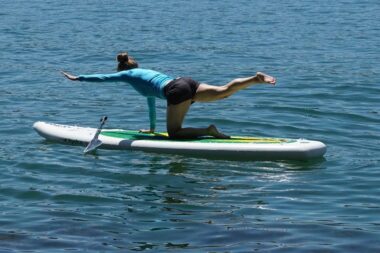
Proprioception refers to the body’s ability to sense its position, movement, and equilibrium. This efficient sensory feedback system is essential for everyday functions. The brain processes information from muscle spindles, joints, and skin receptors to maintain balance and coordination. Abnormal proprioception can lead to challenges in movements, especially in sports or daily activities. A deep understanding of proprioception is vital among athletes and rehabilitation specialists. The integration of proprioceptive information is not limited to physical activities but extends to cognitive tasks and social interactions. Neurological impairment may affect proprioceptive abilities, leading to a cascading effect on daily functioning. For instance, individuals with neurological disorders might struggle with spatial awareness, increasing the risk of falls. Diseases such as Parkinson’s and multiple sclerosis often compromise proprioception. Research into the neural mechanisms involved in proprioception continues to evolve. Insights into these mechanisms may pave the way for innovative treatments targeting proprioceptive deficits. Exercises like balance training, tai chi, and yoga focus on enhancing proprioception, significantly benefiting various populations. Recognizing the importance of proprioception could transform approaches to therapy and rehabilitation.
Understanding the Sensory Pathways
Proprioception relies on a complex network of sensory pathways. These pathways collect data from the body and relay it to the central nervous system. Muscle spindles detect changes in muscle length, while Golgi tendon organs monitor tension within muscles. Joint receptors offer information on the position of joints. The harmonious interaction between these pathways ensures accurate body awareness. The spinal cord plays a crucial role in processing proprioceptive information before relaying it to the brain. It acts swiftly to facilitate coordinated responses. Additionally, the brain integrates proprioceptive data with visual and vestibular inputs, creating a comprehensive representation of body movement. This integration helps maintain balance during various activities, especially in complex environments. Continuous feedback between the brain and proprioceptors fosters skill acquisition in individuals. Practicing motor skills strengthens proprioceptive pathways, making movements more precise and fluid. Neuroplasticity enables the brain to adapt its proprioceptive responses in response to changing physical demands. Additionally, conditions like sensory integration dysfunction can hinder balance and coordination. Therefore, understanding proprioception facilitates better management of both physical training and recovery strategies.
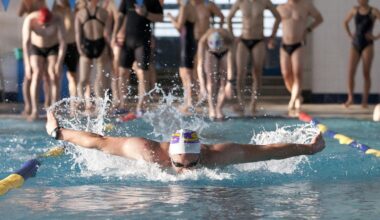
Practicing exercises that enhance proprioception can improve athletic performance. Athletes often engage in drills specifically designed to challenge their balance and coordination. For instance, balance boards, stability balls, and dynamic movements are common tools. By integrating these exercises, athletes can develop a refined sense of body awareness. As their proprioceptive abilities improve, they can execute complex movements with greater control. Additionally, proprioceptive training aids in injury prevention, as stronger neural pathways result in quicker responses to potential hazards. Regular training also leads to increased engagement of the core muscles, contributing further to overall stability. Athletes participating in sports requiring agility, such as gymnastics or dance, benefit immensely from enhanced proprioception training. Conversely, neglecting proprioception may lead to deficits over time, increasing the likelihood of injuries. Various studies indicate that athletes who focus on enhancing proprioception experience fewer injuries during competition. Furthermore, engaging in proprioceptive exercises can improve overall posture and reduce chronic pain. Therefore, fostering proprioception is crucial for long-term athletic success and injury-free performance. Physical therapists also utilize proprioceptive methods to aid patients recovering from injuries, making it an essential aspect of rehabilitation.
Technology’s Role in Proprioception Assessment
The advancement of technology has revolutionized the assessment of proprioception. Tools like motion capture systems, wearable sensors, and virtual reality platforms offer valuable insights into proprioceptive abilities. Motion capture systems track body movements with incredible precision, allowing for detailed analyses. Wearable sensors provide real-time feedback on body positioning and movement dynamics. Additionally, virtual reality immersive environments simulate balance challenges, providing a safe platform for assessment and training. These innovations enable researchers and practitioners to gather extensive data on proprioception and analyze the biomechanical aspects. Such assessments can inform individualized training and rehabilitation programs. Evaluating proprioception is essential for injury prevention, performance enhancement, and rehabilitation outcomes. Studies utilizing these technologies highlight correlations between proprioceptive deficits and increased injury risks in athletes. Analyzing proprioception through technological means provides opportunities to address specific deficiencies. The information gathered can enhance prehab regimens designed to strengthen proprioceptive responses. Furthermore, these detailed assessments encourage athletes and coaches to take a proactive approach to training. By integrating cutting-edge technology in proprioceptive evaluations, professionals can address deficits promptly and systematically, yielding positive results.
Proprioceptive training can have profound implications for the aging population. As people age, natural proprioceptive abilities often decline, leading to increased fall risks. Engaging older adults in balance exercises can help to enhance these vital sensory skills. Programs that incorporate stability exercises promote not only proprioception but also overall strength and coordination. Additionally, pirouettes, balance transfers, and stepping exercises can contribute positively to proprioceptive development. Engaging with physical therapists specializing in proprioceptive training can significantly benefit this demographic. Targeted exercises can alleviate concerns regarding mobility and independence, enhancing overall quality of life. Emerging studies highlight significant improvements in balance and functional mobility among older adults through consistent proprioceptive training. Furthermore, such training may decrease the incidence of falls among seniors, reducing healthcare costs associated with fall-related injuries. Additionally, encouraging participation in group classes can foster social connections, further enhancing overall well-being. It’s essential to customize training programs to suit individual abilities and needs. Leaders in geriatric rehabilitation continuously research innovative techniques to optimize proprioceptive training outcomes. Overall, prioritizing proprioceptive training can create a safer, healthier environment for seniors.
The Connection Between Proprioception and Mental Health
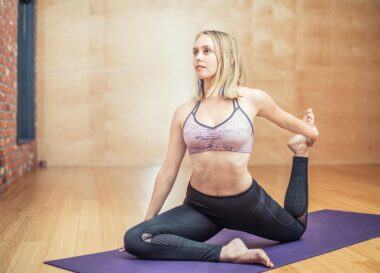
Evidence suggests a noteworthy link between proprioception and mental health. Proprioceptive awareness influences how individuals connect with their bodies, impacting self-esteem and body image. Individuals with strong proprioception tend to exhibit greater confidence in their physical capabilities. Conversely, deficits in proprioception can correlate with lower self-efficacy and increased anxiety. Moreover, activities promoting proprioception, such as yoga, have demonstrated positive psychological effects. Focusing on body awareness through such practices enhances mindfulness, reducing feelings of stress and anxiety. Additionally, exercise, which enhances proprioception, is known to support mental well-being by promoting the release of endorphins. These feel-good hormones play roles in improving mood and reducing depressive symptoms. Mental health professionals increasingly recognize the importance of incorporating proprioceptive activities into therapeutic approaches. Hence, activities that stimulate proprioception should be integrated into daily routines to improve overall mental wellness. Creative approaches, such as dance therapy and movement-based practices, can effectively promote both proprioceptive awareness and mental health. As the dialogue around the mind-body connection evolves, it emphasizes the need for comprehensive strategies recognizing the interplay between physical and mental well-being. Therefore, fostering proprioception could have far-reaching benefits beyond physical enhancements.
In conclusion, understanding proprioception’s role in balance and coordination enhances our approach to wellness. The intricate interplay between sensory pathways, neurological mechanisms, and physical exercises shapes our bodily awareness. Proprioceptive training not only benefits athletes but extends to the aging population and individuals recovering from injury. Furthermore, the integration of technology has revolutionized how we assess proprioception, offering personalized insights for improvement. As we unravel the neurological aspects of proprioception, it becomes increasingly clear that enhancing these skills carries significance in daily life. It fosters independence, boosts self-esteem, and mitigates risks associated with falls. Additionally, burgeoning evidence links proprioceptive training to improved mental health outcomes, showcasing the multifaceted benefits of this sensory system. Future research will continue exploring innovative ways to utilize proprioception in various fields, such as rehabilitation, athletics, and mental health. Therefore, creating awareness around the importance of proprioception and its training is vital. As we develop custom approaches to enhance proprioceptive abilities, we can positively impact individual lives and communities at large. In this pursuit, integrating knowledge about proprioception into daily practices holds the promise of cultivating a more resilient and balanced society.