
Customized Hydration Plans for Different Weather Conditions
Hydration is crucial when preparing for a marathon, and adjusting your hydration plan according to the weather conditions can significantly impact your performance. In warm temperatures, runners lose more water through sweat, and therefore, it’s essential to increase fluid intake in these situations. Aim to consume water regularly and, if temperatures are soaring, a sports drink that includes electrolytes can help maintain balance. Many experts suggest that runners should focus on hydrating before training and replenish fluids through the day. Monitor your hydration levels by noting the color of your urine; pale yellow indicates good hydration. During extreme heat, consider cooling strategies like hydrating with icy drinks.
In colder weather, the body can often overlook hydration needs, leading to insufficient fluid intake. Dehydration is equally hazardous in this climate, as you may not feel thirsty despite needing fluids. To tackle this, develop a routine with warm beverages, such as herbal tea or warm water. This way, staying hydrated becomes a habit. Remember to assess sweat loss during cold runs by weighing yourself pre- and post-workout. Replenishing lost fluids is essential. Although moisture in the air can be lower, your body still requires hydration to function optimally. Carry a hydration pack or bottle to ensure adequate intake.
Hydration Strategies for Hot Weather
When training in hot climates, it’s vital to create a tailored hydration plan that suits your training sessions. Start hydrating well in advance of your run, aiming for proper hydration levels in the days leading up to the event. Drink 16 to 20 ounces of water two to three hours before exercise and another 8 ounces shortly before you start. During your run, consider consuming 7 to 10 ounces of fluid for every 10 to 20 minutes of running. Remember to factor in variability based on your personal sweat rate. Utilizing electrolyte supplements is also recommended for endurance sessions lasting over an hour.
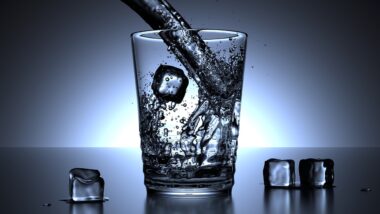
In hot weather, consuming ice water is a delightful method of staying cool and hydrated. Additionally, incorporating hydrating foods can enhance your liquid intake; fruits like watermelon, oranges, and cucumber can profoundly help in maintaining fluid balance. Monitoring your body for signs of dehydration is critical, as symptoms may include fatigue and headaches. Develop a habit of checking your hydration status regularly. Carrying a water bottle with measured amounts is a practical approach to ensure you’re hitting your hydration goals. Always respect your body’s signals, planning ahead and staying hydrated during training leads to improved marathon performance.
Hydration Strategies for Cold Weather
When running in cold temperatures, it’s important to stay proactive about hydration. The misconception that hydration isn’t necessary can lead to severe difficulties. Protecting your body’s core temperature during cold runs is essential, but don’t forget to hydrate. A practical approach is to set reminders for drinking fluids regularly throughout the day. Consider using insulated containers for warm drinks, ensuring that you easily refill as needed. Assess your hydrated state frequently. Combat the dryness of cold air by focusing on warm, nourishing beverages while ensuring you’re also consuming adequate electrolyte-balanced drinks. Meal choices can aid hydration as well.
Furthermore, always be mindful of how cold weather impacts your image of fluid balance. Since your body uses energy to maintain warmth, hydration becomes more crucial. Also, sweating in cold weather can often be unnoticed, causing electrolyte depletion. After your running sessions, it’s important to replenish both water and nutrients lost during exercise. Choose electrolyte-rich foods such as bananas or nuts to help with recovery. Pay attention to your energy levels afterward. Adjusting your hydration strategy according to the temperature will allow you to remain focused on your marathon training goals. Make hydration a routine part of your preparation.
The Importance of Customizing Plans
Ultimately, customizing your hydration plan will vastly enhance marathon performance across varying climates. Each runner’s body reacts differently to environmental conditions, and understanding your personal hydration needs is vital. By experimenting with fluid intake during training, runners can take note of how their body typically responds. A log of hydration during training runs can help identify needs for future races. This practice ensures runners are well-prepared no matter what weather conditions they encounter on race day, making them more resilient to unfavorable situations. Hydration may seem simple, but specificity is key for maximizing performance.
Finally, staying informed and adjusting hydration strategies will lead to overall better health outcomes and increased performance. Tailoring hydration around temperature conditions not just fights dehydration; it also boosts endurance levels during the marathon. It is essential to empower yourself with hydration knowledge, equipping yourself for success in all running conditions. Engaging with a nutritionist or hydration specialist can also provide extra confidence. Being proactive about hydration helps in avoiding many potential problems, ensuring all marathon training runs are sustainable and enjoyable. Develop sustainable hydration habits and watch them contribute to success on race day.