
Urban Recycling Programs and Their Role in City Fitness
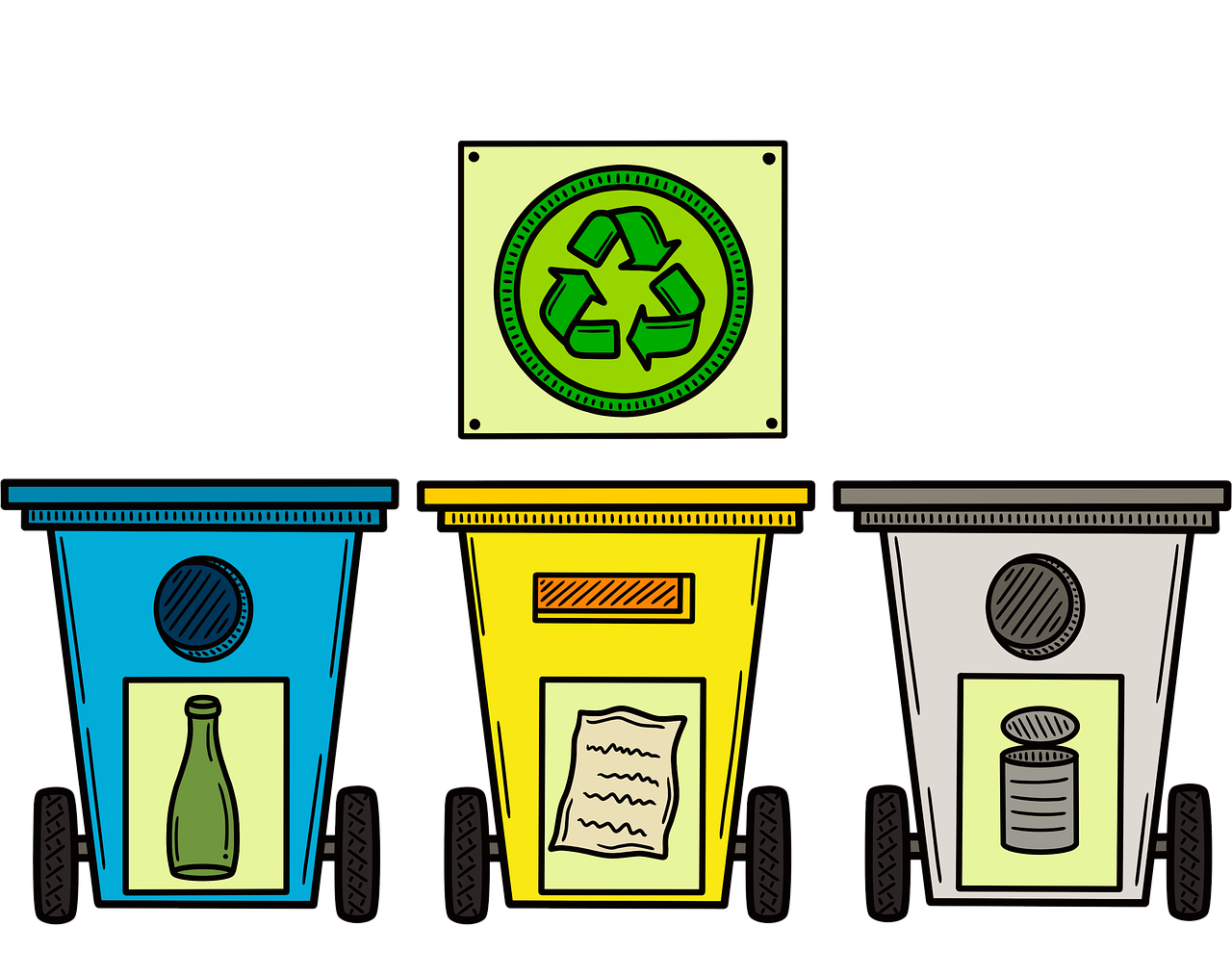
In today’s urban environments, effective recycling programs play a crucial role in enhancing city fitness and environmental sustainability. These initiatives not only reduce the amount of waste sent to landfills but also promote community involvement. When cities implement robust recycling strategies, they often see a significant increase in recycling rates, resulting in lower waste management costs and healthier ecosystems. Additionally, urban recycling programs serve as educational tools, raising awareness about the importance of responsible waste disposal. Local governments, NGOs, and community organizations can collaborate to design recycling programs that fit the unique needs of their cities. Critical components often include curbside recycling collection, drop-off centers, and public awareness campaigns to encourage participation. Each of these efforts helps foster a culture of sustainability, ensuring residents understand their impact on the environment. Moreover, successful recycling programs contribute to broader goals, such as reducing greenhouse gas emissions and conserving natural resources. Hence, urban recycling is not merely about reducing waste but also about promoting an eco-centric lifestyle that encompasses public health, economic benefits, and community unity.
The Economic Benefits of Recycling
Recycling programs in urban settings yield several economic advantages for the community and local governments. By diverting waste from landfills, cities often save money on disposal costs, allowing funds to be redirected toward other community services or infrastructure improvements. When organizations promote recycling, they also generate employment opportunities in collection, sorting, and processing facilities. These jobs can have a positive ripple effect, enhancing local economies while attracting businesses that prioritize sustainability. Furthermore, recycling cultivates a market for recycled materials, creating demand for products made from recovered resources. This can stimulate innovation and growth in green businesses, ultimately contributing to a more sustainable urban economy. Participants in recycling initiatives may also receive incentives, such as discounts on municipal fees or entry into local programs. Over time, as recycling rates increase, cities become ripe for investment, driving economic development and improving overall quality of life. These economic incentives work in tandem with environmental benefits, positioning urban recycling programs as a win-win strategy for city fitness and sustainable development.
Another significant aspect of urban recycling programs is their ability to influence resource conservation. When communities actively participate in recycling, they reduce their reliance on virgin materials, conserving energy and natural resources. Recycled products typically require less energy to produce than items made from raw materials, demonstrating a direct correlation between recycling and reduced environmental impact. For example, recycling aluminum saves more than 90% of the energy needed to create new aluminum from bauxite ore. In addition to energy savings, recycling leads to less mining, logging, and industrial processing, preserving the earth’s ecosystems and habitats. With growing concerns over resource depletion and climate change, urban recycling initiatives are becoming increasingly important. As cities work to fulfill sustainability goals, promoting recycling can be a pivotal strategy for preserving our planet for future generations. Education surrounding the importance of resource conservation through recycling can influence behavior and encourage residents to make informed choices. Through effective recycling programs, urban areas can champion sustainability while fostering community engagement and responsibility toward environmental stewardship.
Community Engagement in Recycling Initiatives
Community engagement is pivotal for the success of urban recycling programs. By fostering active involvement, cities can significantly boost participation rates and raise awareness about recycling benefits. Organizing regular clean-up days, workshops, and public events can stimulate enthusiasm around recycling efforts. Schools, businesses, and local organizations play key roles in this engagement by promoting sustainability within their networks. The more residents understand the impact of their recycling habits, the more likely they are to participate actively in recycling programs. Community-driven initiatives often result in increased recycling rates and a stronger collective identity based around sustainability. Collaboration among residents can also lead to the creation of innovative recycling solutions tailored to specific urban challenges. Such partnerships cultivate a spirit of cooperation, enhancing social cohesion and a sense of responsibility for maintaining a healthy environment. As urban populations continue to grow, maintaining effective recycling programs and engaging communities can ensure that cities remain resilient, adaptable, and environmentally conscious. Overall, community engagement transforms recycling from a chore into a collective mission, reinforcing the importance of communal effort in achieving city fitness goals.
Technology also plays a vital role in enhancing the efficiency and effectiveness of urban recycling programs. Innovations such as smart bins and mobile apps can streamline the recycling process, offering users real-time information about recycling locations and accepted materials. These technological advancements not only simplify the recycling experience but also provide valuable data that cities can use to improve their programs. For instance, tracking recycling behaviors can help municipalities identify areas requiring increased education or recycling services. Moreover, social media platforms serve as powerful tools for raising awareness and engaging residents in recycling initiatives. By leveraging technology, urban areas can encourage more citizens to adopt sustainable practices and make informed choices. Implementing technology into recycling programs promises to create more efficient waste management systems. In addition, augmented reality and gamification can make recycling more engaging for younger audiences, fostering habits that may last a lifetime. As cities adapt to technological changes, integrating these innovations can significantly boost the adoption of recycling practices and contribute to a cleaner, healthier urban environment supportive of city fitness.
Challenges Facing Urban Recycling Programs
Despite the numerous advantages of urban recycling programs, various challenges persist that can hinder their success. Public perception and misconceptions about recycling can deter residents from participating actively in these initiatives. For example, individuals may feel uncertain about what materials are recyclable, leading to contamination in recycling streams. Addressing these misunderstandings through education is essential to enhancing participation rates. Additionally, limited funding and resources can impact the operation and expansion of recycling programs. Cities with constrained budgets may struggle to develop and maintain a robust recycling infrastructure. Moreover, fluctuations in global materials markets can affect the profitability of recycling programs, resulting in reduced investment in new initiatives or technology upgrades. To combat these issues, collaboration with private sector partners can provide cities with valuable resources and expertise. Governments need to prioritize recycling initiatives and view them as essential components of urban sustainability. By overcoming these challenges through innovation and community involvement, urban recycling programs can become more resilient while significantly contributing to the fitness and overall well-being of cities.
Looking to the future, the evolution of urban recycling programs will be instrumental in shaping sustainable cities worldwide. As cities continue to grapple with waste management and environmental issues, prioritizing recycling initiatives will be crucial. Innovations in material science and waste processing technologies will likely improve the efficiency of recycling efforts. Additionally, enhanced regulations and policies around waste management can encourage cities to adopt forward-thinking recycling strategies. Fostering public-private partnerships may create avenues for investment in advanced recycling technologies and infrastructure. Future urban recycling efforts will undoubtedly rely on collaboration, creativity, and a deep commitment to sustainability from both government and community stakeholders. Furthermore, integrating sustainability education in schools and public events will help instill recycling habits in future generations, paving the way for environmentally conscious citizens. These programs can also foster a culture of sustainability that transcends generations. Ultimately, urban recycling programs will serve not only to enhance material recovery rates but also to transform cities into thriving, resilient ecosystems that prioritize environmental fitness. The journey toward a sustainable urban future depends heavily on our commitment to recycling and resource conservation.
In conclusion, urban recycling programs represent a critical piece of the puzzle when considering city fitness and environmental health. These initiatives promote sustainable practices, conserve resources, and enhance community engagement while supporting local economies. The myriad benefits of recycling underscore its significance in today’s increasingly urbanized world. As cities tackle waste management challenges, embracing innovative recycling strategies and fostering community involvement will be paramount. To effectively enhance recycling efforts, cities must address obstacles such as public misconceptions, funding limitations, and market fluctuations. Through collaboration, education, and technological advancements, urban recycling programs can evolve and thrive, setting the stage for sustainable urban development. As stewards of the environment, communities have a shared responsibility to engage with recycling initiatives actively. Each individual’s contributions accumulate to create significant change, driving cities toward healthier and more sustainable futures. By recognizing the power of collaboration and innovation, urban areas can become champions of sustainability, providing models for cities globally. The path to urban fitness and ecological balance is attainable through persistent dedication to enhancing and celebrating recycling efforts. As we look forward, our commitment to these programs will define the environmental legacy we leave for future generations.