
Postpartum Fitness: Debunking the Myth of ‘No Pain No Gain’
After giving birth, many women are eager to regain their pre-pregnancy bodies, often encountering the pervasive belief that “no pain, no gain” is essential in fitness. This myth can be discouraging and detrimental to postpartum recovery. While it’s natural to want to push oneself during workouts, it is crucial to listen to one’s body and understand that pain does not equal progress. Gentle exercises like walking, yoga, or specific postpartum fitness routines can effectively aid recovery without excessive strain. Overemphasizing pain as a necessity may lead to injuries or chronic discomfort, which can derail fitness journeys. Therefore, prioritizing movement that feels good, rather than painful, is critical. Everyone’s postpartum experience is unique, and fitness should honor individual recovery timelines. Adopting a compassionate approach to fitness post-birth helps to build a healthier relationship with movement, ensuring that exercise enhances well-being rather than detracting from it. It’s essential to consult healthcare providers for personalized guidance. They can recommend safe activities tailored to individual recovery phases, promoting gradual progress while avoiding unnecessary pain. This mindset shift towards recovery can be vital for tackling the myth of pain equating to gain.
Understanding the Body’s Needs Postpartum
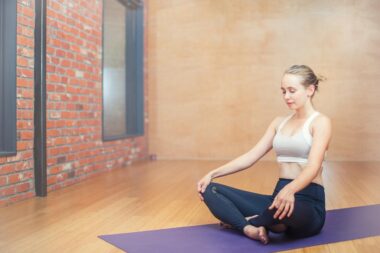
During the postpartum period, a woman’s body endures significant changes that require time to heal. An essential component of postpartum fitness is recognizing these changes and adapting exercise routines accordingly. The myth of “no pain, no gain” can create unrealistic standards and foster anxiety around fitness. Instead, a focus on rehabilitation, strength-building, and gentle movement is far more beneficial. Prioritizing activities that promote abdominal and pelvic floor strengthening can aid recovery and enhance overall well-being. Importantly, revisiting core strength with caution will support essential muscle groups affected during pregnancy. Emphasizing pelvic floor exercises and stabilizing muscles through low-impact workouts can significantly help in regaining stability. Incorporating stretches can also alleviate tension caused by the physical demands of motherhood. Ideally, fitness should be an enjoyable experience to foster healthy habits. Engaging in activities that stimulate joy facilitates consistency and allows for a balanced perspective towards fitness. Listening to one’s body and adjusting accordingly contributes to a safer, more effective fitness journey. Additionally, including mindfulness practices like meditation can further alleviate postpartum stress, enhancing physical recovery while nurturing mental health.
One of the significant hurdles in postpartum fitness is separating personal goals from societal pressures. Social media and advertising frequently promote unrealistic images of postpartum bodies, reinforcing the notion that pain is essential for achievement in fitness. This can lead to feelings of inadequacy—especially when comparing oneself to easily attributed success stories that may not reflect real experiences. Following the myth of “no pain, no gain” can undermine the natural healing process, leading to unnecessary physical challenges during recovery. Instead, embracing the postpartum journey involves focusing on personal milestones rather than adhering to established societal standards. Every mother’s path to fitness is distinct, and taking pride in gradual improvements fosters a positive mindset. Setting realistic fitness goals can inspire a sense of accomplishment without resorting to drastic measures or excessive discomfort. Additionally, joining supportive communities can offer motivation through shared experiences and successes. These settings encourage mutual understanding while reinforcing healthy habits. Hence, stepping away from comparison encourages body positivity, allowing women to appreciate and respect their bodies during this transformative time. This perspective ultimately leads to a more sustainable and enjoyable approach to postpartum fitness.
The Role of Safe Exercise in Recovery
Incorporating safe exercise into postpartum fitness routines plays a fundamental role in physical recovery. By understanding the significance of low-impact workouts, new mothers can rebuild strength without risking injury. Activities such as walking, swimming, or postpartum yoga provide gentle avenues for progress. These exercises contribute to physical recovery while enhancing mood, yielding significant mental health benefits. Moreover, postpartum fitness does not have to equate to traditional workout routines. Instead, incorporating playful interactions with infants can contribute significantly to one’s activity level. Simple movements while holding a baby or engaging in fun activities can transform fitness into a joyful experience. It’s important to dismantle any preconceived notions that fitness should always feel grueling. Engaging in regular physical activity, even at lower intensities, stimulates the release of endorphins, fostering overall happiness and connection during the early stages of motherhood. Emphasizing the positive effects of gentle movement can foster an enduring relationship with exercise. Establishing realistic expectations rooted in self-care ultimately promotes a sustainable fitness journey. Acknowledging these principles cultivates a healthier mindset towards postpartum fitness while ensuring well-being during this significant life transition.
Moreover, recovery from childbirth can be a long journey, and each phase requires unique consideration. Motivating oneself without adhering to intense physical standards is crucial. The myth of prevailing soreness after workouts can also impede mental progress. Instead, striving for consistent, manageable routines fosters sustainable growth. Community support can play an invaluable role in positioning fitness as positive rather than punitive. Engaging in group classes or online sessions specifically tailored for postpartum mothers can provide motivation and emotional connection. It’s necessary to recognize the value in seeking out programs designed by professionals who understand the specific needs of postpartum women. Programs that emphasize gradual progress and focus on recovery can rejuvenate interest in physical fitness. Furthermore, exploring various modalities can be beneficial, from Pilates to strength training, allowing mothers to discover what resonates with them. Ultimately, a balanced approach enables personal creativity during workouts. Customizing routines according to individual preferences aligns fitness with a joyful experience rather than a chore. This shift encourages consistency essential for long-term health and wellness, proving that incorporating fitness into motherhood can indeed be enjoyable and fulfilling.
Conclusion: Emphasizing Joy in Fitness
The overarching message in redefining postpartum fitness is that joy should replace the persistent myth of “no pain, no gain.” Women deserve to embrace their journeys by nurturing themselves physically and mentally. Understanding bodies after birth requires compassion, patience, and a willingness to celebrate small victories. Focusing on feelings of happiness rather than discomfort alters the approach to fitness positively, ensuring mothers create enjoyable routines. Letting go of pain-related expectations allows for healthier growth and loyalty to fitness as a lifelong pursuit. It’s essential to advocate for realistic portrayals of postpartum journeys within communities and media spaces. Promoting achievable goals prioritizes physical and mental health, providing support systems for mothers embarking on their fitness adventures. This approach reinforces self-love while encouraging empowerment instead of pressure. Engaging with fitness should allow for the exploration of fun and upliftment, rather than relentless striving for discomfort. In advocating for joy and connection amidst postpartum recovery, communities can cultivate environments that foster healthier practices, ultimately rewriting the narrative of postpartum fitness into one of inclusivity, support, and celebration of every woman’s journey.
As we continue to debunk the misconceptions surrounding postpartum fitness, it becomes increasingly essential to share experiences and stories. Women are not alone on this journey; every mother navigates unique challenges and triumphs that shape personal fitness paths. By valuing individual stories, we not only inspire one another but also create a sense of solidarity. It’s crucial that mothers recognize their strength during this transformative period. Connecting with others—whether through fitness classes, social media groups, or community events—can provide reassurance and encouragement to embrace one’s fitness journey. Sharing successes may motivate individuals to persevere and discover sustainable routines that resonate personally. By reframing fitness discussions to focus on enjoyment and empowerment, we collectively challenge the narrative that equates achievement with pain. The journey of postpartum fitness is varied and multifaceted. Therefore, exploring different perspectives can help women redefine their relationships with exercise. Ultimately, prioritizing joy, connection, and shared experiences can foster resilience. Let’s adopt a community-focused approach to postpartum fitness, inspiring every mother to thrive without the overshadowing myth of pain. Together, we can celebrate each other’s journeys towards health and happiness.