
Pilates for Seniors: Common Myths Debunked
Pilates has often been misunderstood, especially among seniors who can benefit significantly from its practice. One prevalent myth is that Pilates is too strenuous for older adults. In truth, Pilates exercises can be adapted to fit individual fitness levels and abilities. The controlled movements help in improving strength, flexibility, and balance without the risk of injury typically associated with high-impact workouts. Instructors can easily modify exercises to accommodate various limitations. Moreover, Pilates is generally gentle on the joints, which is a crucial consideration for older individuals. There are also misconceptions about needing special equipment. While props such as mats, bands, and pilates balls enhance workouts, they are not mandatory. Many effective Pilates routines can be completed using only body weight. Additionally, some think that only younger people can benefit from attending Pilates classes. This could not be further from the truth, as seniors often experience enhanced core strength and greater overall mobility, which allows them to perform daily activities more comfortably. The notion that Pilates is a solitary activity is also untrue. Many studios offer group classes, providing social interaction; this can be tremendously beneficial for seniors.
The Benefits of Pilates for Seniors
Engaging in Pilates offers numerous benefits specifically tailored for seniors. Enhanced core strength is perhaps the most crucial, as it directly correlates with better posture and balance, reducing the likelihood of falls. Furthermore, Pilates fosters increased flexibility, which is essential for seniors to maintain their mobility over time. A regular Pilates routine significantly enhances functional strength, which allows seniors to perform daily tasks such as reaching for items or standing up from a seated position with relative ease. Additionally, in Pilates, breathing techniques taught help manage stress and improve lung capacity, thereby promoting a sense of well-being. This is particularly important as age often invokes challenges that can lead to a decline in mental health. Moreover, Pilates activity can improve circulation, leading to better overall health. Enhanced muscular endurance is a further benefit, allowing seniors to enjoy longer periods of activity without tiring. Pilates also fosters a strong mind-body connection, forcing individuals to focus on movements, thereby improving cognitive function. Many studios provide classes specifically designed for seniors, making it easier to find a safe environment to engage in this beneficial exercise.
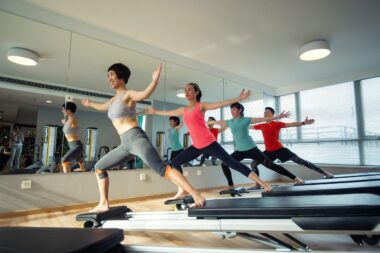
Another common misconception surrounding Pilates for seniors is that it lacks cardiovascular benefits. While it may not be as intensive as running or cycling, Pilates does elevate heart rate during sessions, particularly when performed in a flowing sequence. Classes focusing on reformer equipment can also significantly enhance heart health. Additionally, Pilates promotes better posture, contributing to decreased back pain and improved spinal alignment that many seniors encounter. As they find comfort in enhanced posture, they experience fewer obstacles in completing daily tasks. Another myth is that Pilates doesn’t yield fast results, which can deter seniors from starting. On the contrary, participants can often notice improvements in strength and flexibility quite quickly when participating regularly. Building a strong community is yet another element seniors can benefit from in Pilates classes. Being in group settings fosters friendships, and encouragement often leads to better commitment toward fitness goals. Pilates can also contribute positively to mental clarity and emotional health by reducing anxiety and depression. The effectiveness of Pilates in creating social situations and enhancing relationships underscores its value, making it an excellent choice for seniors seeking both physical and mental stimulation.
Is Pilates Too Difficult for Seniors?
A myth persists that Pilates is universally challenging and difficult for older adults. This stigma often keeps seniors from exploring this beneficial exercise form. In reality, most Pilates exercises can be modified to suit individual abilities. Many instructors are trained to work specifically with seniors, adapting movements to their personal needs. The ability to perform exercises on a mat, which can be modified based on individual capacity, debunks the myth of excess difficulty for seniors. Classes can be tailored to include various modifications allowing each person to work within their comfort zones. Besides, Pilates emphasizes careful movements rather than competition, promoting a non-threatening environment that helps participants feel successful regardless of their physical ability. The supportive atmosphere observed in senior-focused Pilates classes often builds confidence, encouraging attendees to push through their perceived limits. This gentle method allows older adults to gain strength without any feelings of intimidation. Seniors who engage in Pilates often report feeling empowered by their progress. This includes the ability to perform movements that seemed unattainable previously. Instead of viewing Pilates as prohibitively hard, think of it as an opportunity to enhance physical health while enjoying the process.
One topic that arises frequently is that Pilates can only be practiced in classes and requires expensive membership fees. In fact, many effective Pilates exercises can be performed at home with little more than a mat. Online resources are abundant, providing seniors with access to varied Pilates routines that suit their schedules and preferences. Additionally, community centers or senior centers may even offer affordable Pilates classes, making this practice accessible for everyone. It’s simple for seniors to incorporate Pilates into their daily routines without investing significantly in gym memberships. Another prevalent myth surrounds the idea that Pilates will lead to weight loss alone without needing dietary changes. While improved fitness from Pilates can support weight loss efforts, many experts emphasize that nutrition plays a critical role in achieving specific health goals. To maximize the effectiveness of Pilates in promoting weight loss or maintenance, seniors should aim for a balanced diet alongside regular physical activity. Pilates should not be considered a quick-fix solution; rather, it’s part of a comprehensive approach to health and well-being. When seniors understand that Pilates complements a healthier lifestyle, this fosters a more sustainable approach to fitness.
Conclusion: Embracing Pilates as a Senior
In conclusion, the many myths surrounding Pilates for seniors should not deter individuals from considering its remarkable benefits. As a low-impact exercise suitable for all fitness levels, Pilates can significantly enhance core strength, flexibility, and balance while diminishing the chances of injuries or falls. The practice is widely adaptable; instructors will personalize sessions to ensure comfort and safety. Mental health benefits, such as stress reduction and improved cognitive function, are also vital; these elements promote an overall sense of well-being. Emphasizing that Pilates is friendly to seniors dispels myths that may keep them from enjoying this fulfilling exercise. Embracing this fitness approach encourages social interactions, which are crucial for the well-being of many seniors. Realizing that this can also be practiced at home with minimal equipment allows older adults the freedom to incorporate Pilates into their lives according to their preferences. Finally, with a balanced diet and lifestyle, Pilates can support weight loss or maintenance goals alongside improved fitness. In light of these revelations, seniors are encouraged to dive into Pilates, breaking through the myths and discovering the transformative benefits for their health and happiness.
The world of Pilates offers numerous opportunities for seniors; understanding it is vital to choosing this exercise. As many myths have been debunked, seniors should feel empowered to explore this practice, enjoying the numerous benefits that come from it. Realizing the many modifications available renders Pilates accessible to all fitness levels. In light of its adaptability, improvements can quickly be felt, encouraging potential lifelong involvement. This exercise can serve as a tool for enhancing not only physical health but also emotional well-being. Building community connections through group classes or even finding online classes helps create a more enjoyable experience. The dual benefits for the physical body alongside the emotional health found in Pilates help foster a lifelong dedication to fitness. Overall, encouraging seniors to participate in Pilates is essential in empowering them toward a healthier lifestyle. With so much at stake regarding health, understanding and sharing the many truths about this exercise can transform lives. Pilates may very well be one of the best-kept secrets for enhancing the lives of seniors. Ultimately, the goal is encouraging an active, fulfilling life, which Pilates undeniably supports.