
Pilates Equipment for Physical Therapy Applications
Pilates equipment has become increasingly recognized for its applications in physical therapy. The use of specialized equipment, such as Reformer, Cadillac, and Stability Chair, allows physical therapists to address various rehabilitation needs effectively. With the combination of resistance and support, these tools help patients in the recovery process. Furthermore, Pilates promotes core strength and flexibility, which are essential for rehabilitation. The versatility of Pilates equipment enables therapists to customize workouts based on individual requirements. For instance, the Reformer assists in controlled movements while providing support and resistance simultaneously. This aids in muscle strengthening while maintaining joint stability during recovery sessions. Additionally, the low-impact nature of Pilates exercises minimizes the risk of injury, making it a suitable choice for rehabilitative practices. The integration of Pilates principles encourages patients to engage their core, enhancing overall body awareness. As patients progress, they can gradually increase the intensity and complexity of exercises, fostering confidence and independence. Overall, Pilates equipment serves as a pivotal tool in enhancing physical therapy, transforming rehabilitation into a holistic workout experience that not only heals but also empowers.
The Reformer is one of the most iconic pieces of Pilates equipment used in physical therapy. This apparatus features a movable carriage, which glides on tracks, and resistance springs that adjust the level of difficulty. Patients can perform a range of exercises that focus on strengthening core muscle groups. The adjustable nature of the spring system allows therapists to tailor the resistance level to match the patient’s strength and capabilities. Clients recovering from injury can reap substantial benefits as they build strength and flexibility. Therapists often use the Reformer to help patients regain mobility and to improve overall coordination. The design encourages proper alignment and posture which is essential in any therapeutic program. Furthermore, the continuous engagement of the core throughout the exercises helps to enhance stability. Many physical therapists find that incorporating the Reformer into their sessions contributes significantly to recovery timelines. Additionally, working on the Reformer can boost patient motivation by adding variety to rehabilitation exercises. Overall, the Reformer serves not just as a rehabilitation tool, but as a functional training device that enhances mobility and resilience.
The Cadillac and Its Importance
The Cadillac is another essential piece of Pilates equipment that plays a crucial role in physical therapy. This apparatus features a rectangular frame with a mattress-style platform and various attachments, including springs, bars, and straps. The Cadillac allows for a wide range of exercises that target different muscle groups, making it incredibly versatile. Patients can engage in exercises that help with spinal decompression, stretching, and strength building. Its supportive structure makes it suitable for individuals with limited mobility. The springs offer adjustable resistance, facilitating progress at each patient’s pace. Moreover, the Cadillac enables therapists to provide assistance and feedback during exercises, enhancing the safety and effectiveness of the session. Therapists can guide patients through controlled movements crucial for recovery from surgeries or injuries. The Cadillac’s unique design also allows patients to perform exercises in suspended positions, which can significantly enhance their muscular engagement and balance. In this way, the Cadillac keeps rehabilitation diverse and engaging, allowing for continuous improvement in physical function and overall well-being.
The Stability Chair is yet another valuable tool in the realm of Pilates and physical therapy. This compact equipment combines the benefits of a Reformer and a chair, providing a unique platform for different exercises. One of the primary advantages of the Stability Chair is its ability to target smaller muscle groups that may not receive adequate attention during standard workouts. This specificity is particularly beneficial for rehabilitation as it allows patients to strengthen weak muscles. Additionally, the chair promotes balance and functional strength, which are needed for daily activities. Its compact size makes it suitable for environments with limited space, such as rehabilitation centers or clinics. Through various adjustable settings, patients can perform exercises that enhance stability, flexibility, and core strength. Moreover, the chair supports a variety of functional movements, reducing the risk of injury when returning to regular activities post-rehabilitation. The versatility of the Stability Chair can also help in keeping patients engaged, preventing monotony during recovery. Thus, incorporating the Stability Chair can lead to more efficient outcomes in physical therapy settings, specifically catering to individual needs and goals.
Using the Balanced Body Equipment
Equipment from Balanced Body is highly regarded within the Pilates community for both fitness and therapeutic applications. This brand offers a range of equipment designed specifically to facilitate rehabilitation exercises. Products such as the Allegro Reformer and the Wall Unit have received praise for their durability and versatility. Physical therapists appreciate how these tools enable safe and effective workouts tailored to various patient needs. The Allegro Reformer, for instance, features a user-friendly design, allowing patients with limited strength or mobility to engage in effective movements without strain. The Wall Unit encourages patients to explore a range of exercises that promote strength and flexibility. Additionally, the positioning of the equipment supports optimal alignment during rehabilitation sessions. These innovative designs foster a safe environment for patients to progress gradually in their recovery journey. Moreover, Balanced Body emphasizes the importance of education for professionals using their equipment. They offer courses and resources focusing on the rehabilitation aspects, ensuring that therapists are well-equipped to provide quality care. This commitment contributes to better patient outcomes and broader acceptance of Pilates within the physical therapy landscape.
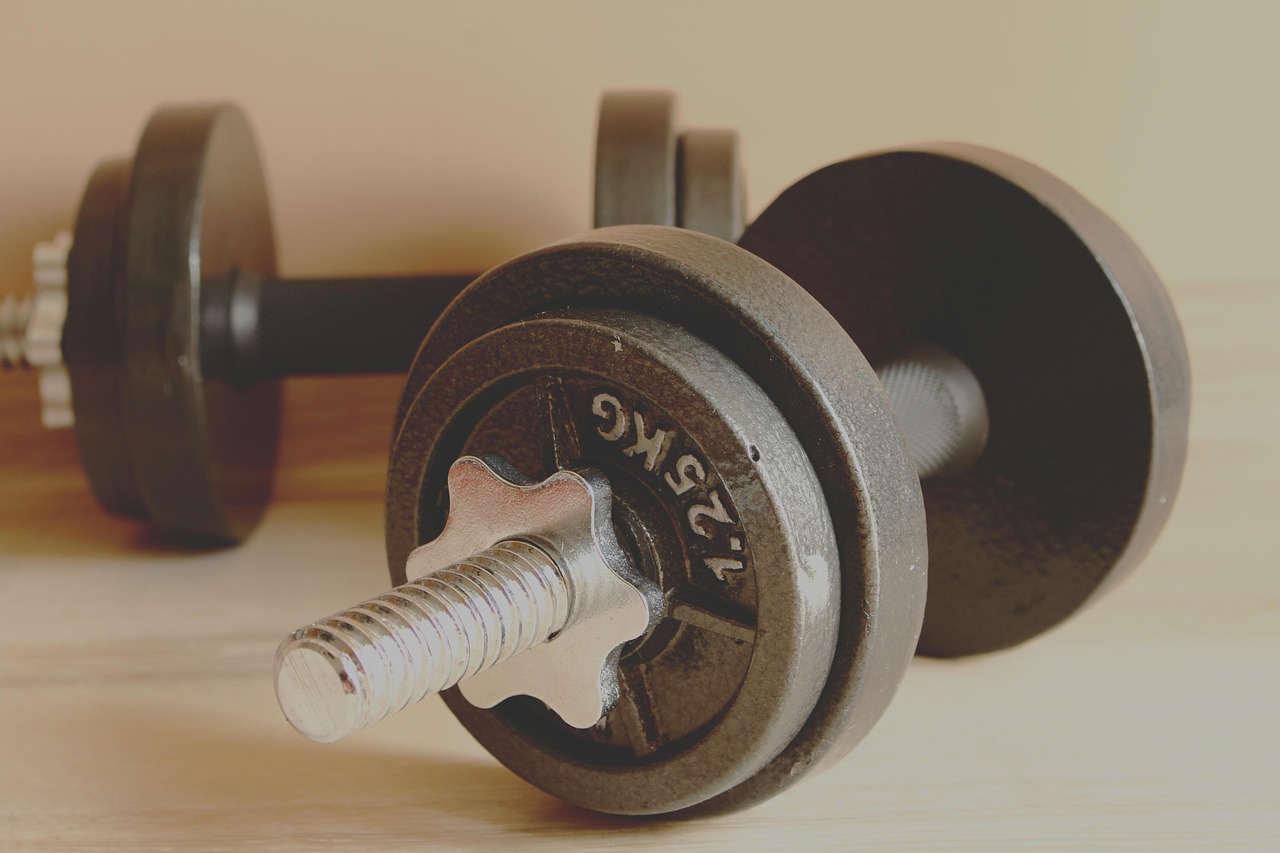
Strength training combined with Pilates principles is an effective approach for physical therapy. Incorporating resistance training into rehabilitation exercises enhances muscle strength, which is essential for recovery. Pilates equipment, such as resistance bands and small weights, can be integrated easily into therapy sessions. Resistance bands, in particular, are lightweight and portable, making them suitable for both in-clinic and at-home exercises. They ensure a full range of motion while providing resistance that strengthens both major and minor muscle groups. Additionally, therapy involving small weights can be highly beneficial for patients recovering from injuries as it allows for controlled strengthening without excessive strain. By utilizing Pilates principles, therapists can encourage holistic recovery that encompasses physical, mental, and emotional aspects. The focus on breathing and body awareness contributes positively to mental health, helping to cultivate a strong mind-body connection. This multifaceted approach benefits patients by reducing pain, increasing mobility, and fostering resilience. As patients progress, they will find themselves feeling stronger and more confident in their movements, ultimately enhancing their recovery journey and promoting better overall health.
The Role of Instructors in Rehabilitation
The role of Pilates instructors within a physical therapy context cannot be underestimated. Certified instructors provide valuable expertise, ensuring the safe and effective use of equipment during therapeutic sessions. Their knowledge allows specialists to combine traditional physical therapy with Pilates principles effectively. Instructors understand the nuances of each piece of equipment, optimizing exercises to meet individual recovery goals. This collaboration fosters a supportive environment for healing, where patients feel motivated and engaged throughout their therapy. Instructors also play a significant role in instructing proper form and alignment, which minimizes the risk of further injury. Their support can help patients regain confidence as they progress through various exercises. Additionally, instructors often monitor progress closely, adapting programs based on the patient’s performance and feedback. This individualized approach enhances recovery outcomes, as therapists can make informed decisions about the next steps. By incorporating Pilates into rehabilitation practices, instructors promote holistic recovery that encompasses physical fitness, emotional wellness, and improved quality of life. In summary, the combined efforts of therapists and instructors create a dynamic team aimed at successful patient rehabilitation.
Finally, it is essential to consider the future of Pilates equipment in physical therapy. As the field evolves, so too does the technology behind Pilates tools. Manufacturers are increasingly focusing on creating innovative designs that enhance the therapeutic benefits of Pilates equipment. Advancements in biomechanics may lead to even more specialized equipment aimed at addressing specific rehabilitation needs. This evolution encourages therapists and trainers to stay informed about new developments and research in the field. Stakeholders must also recognize the growing demand for Pilates as a complementary therapy to traditional rehabilitation methods. As awareness increases, more clinics may begin to integrate Pilates programs into their offerings. Furthermore, continued education and collaboration between Pilates professionals and healthcare organizations can promote shared understanding and best practices. Acting on these developments can significantly influence the perception of Pilates within medical communities. Ultimately, recognizing the effectiveness of Pilates equipment in physical therapy can lead to broader acceptance, improving patient outcomes across various settings. The combination of ongoing innovation and commitment to effective rehabilitation underscores the importance of Pilates as a beneficial resource for recovery and wellness.