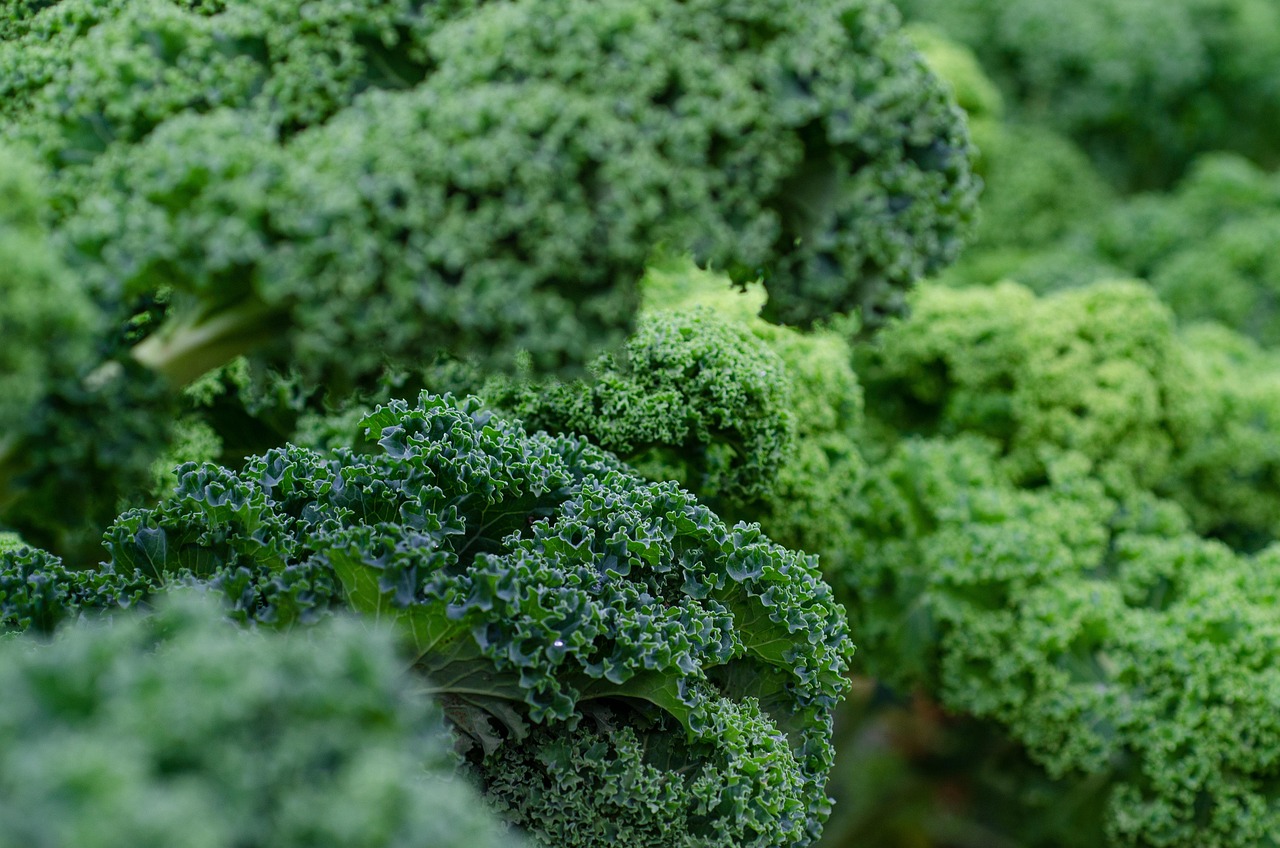

Kale, Quinoa, and Other Everyday Superfoods Explained
In recent years, superfoods like kale and quinoa have gained immense popularity in the nutrition and diet landscape. These foods are packed with essential nutrients that contribute to overall health and wellness. Kale, for instance, is a leafy green vegetable that belongs to the cabbage family. It is recognized for its high levels of vitamins A, K, C, and various antioxidants. Rich in fiber and low in calories, kale is an excellent choice for those looking to boost their nutrient intake. Quinoa, on the other hand, is often referred to as a grain but is technically a seed. It is unique due to its complete protein profile, containing all nine essential amino acids. Moreover, quinoa is gluten-free and provides a good source of iron, magnesium, and B vitamins. Incorporating these superfoods into your diet can lead to improved digestion, enhanced energy levels, and a stronger immune system. While kale and quinoa serve as excellent staples, there are numerous other superfoods to explore, each contributing uniquely to nutritious culinary experiences. Incorporating variety is essential for a balanced diet.
The Nutritional Power of Kale
Kale offers a myriad of health benefits that make it a staple superfood in many diets. Firstly, its high concentration of antioxidants helps combat oxidative stress, reducing risk factors associated with chronic diseases. Notably, compounds like sulforaphane possess anti-cancer properties. Furthermore, kale is rich in vitamin K, essential for proper blood clotting and bone health. Including kale in your salads, smoothies, or cooked dishes can significantly enhance your daily vitamin intake. Additionally, its fiber content aids in digestion, promoting a healthy gut microbiome. The presence of calcium in kale supports bone density and overall skeletal health. It can be easily incorporated into various meals; try sautéing it with garlic or adding it to soups. Beyond its nutritional profile, kale’s versatility allows it to be enjoyed raw or cooked. For optimal absorption of nutrients, consider pairing kale with healthy fats, such as olive oil or avocado. Emphasizing green leafy vegetables, especially kale, encourages a healthy diet rich in nutrients essential for maintaining vitality and energy.
In addition to kale, quinoa stands as a formidable superfood, celebrated for its versatility and nutritional benefits. Quinoa is often heralded as a complete protein, making it an ideal choice for vegetarians and vegans. This unique quality stems from its amino acid profile, which supports muscle repair and overall health. Beyond protein, quinoa is a potent source of fiber, enhancing digestive processes and contributing to a feeling of satiety. This means that quinoa can aid in weight management, serving as a component of filling meals without excessive calories. Moreover, the presence of essential minerals such as magnesium and zinc further boosts its health benefits. Quinoa can be prepared in various ways: as a base for salads, a side dish, or even in breakfast bowls. Its subtle, nutty flavor complements many ingredients and dishes. Additionally, quinoa’s gluten-free nature makes it a suitable alternative for those with gluten sensitivities. By incorporating quinoa into your meals, you not only add flavor and texture but also significantly enhance the nutritional value of your diet, making it a wonderful ingredient to explore further.
Exploring Other Superfoods
While kale and quinoa are among the most popular superfoods, several other options can contribute to a well-rounded diet. For instance, blueberries are often celebrated for their high antioxidant content, particularly anthocyanins, which can enhance heart health and improve brain function. Adding a handful of blueberries to your morning oatmeal or smoothies can provide an extra health boost. Similarly, chia seeds have become popular for their omega-3 fatty acids, fiber, and ability to absorb water, forming a gel-like consistency that aids in hydration. Incorporating chia seeds into puddings or wellness drinks enhances nutritional value significantly. Furthermore, sweet potatoes deserve a mention for their rich supply of vitamins A and C, potassium, and fiber. They are particularly beneficial for energy and immune support. Many superfoods are easy to integrate into meals, whether in smoothies, salads, or side dishes. Exploring various superfoods enables better nutrient diversity in your diet, maximizing health benefits. Embracing these nutrient-dense foods not only supports your personal health journey but also inspires creativity in meal preparation.
In summary, the world of superfoods is vast and varied, offering an array of options aside from kale and quinoa. For individuals aiming to enhance their nutrition, exploring diverse sources of superfoods can significantly impact overall health. Foods such as avocados provide healthy fats, while lentils offer plant-based protein and iron. Incorporating these foods into your meals will promote satiety and nutritional completeness. Additionally, exploring the less common superfoods, like spirulina or maca root, can provide unique nutritional profiles that benefit your health. Spirulina is known for its high protein content and is often consumed in powdered form, while maca root can enhance energy and endurance. Experimenting with superfoods in various recipes can lead to discovering new favorites while enriching your diet. Creativity with food leads to not only better dietary habits but also medical benefits. Prioritizing these nutrient-dense foods will contribute to long-term health goals, serving as a foundation for a balanced diet that supports overall well-being. Small changes in dietary habits today can yield significant health benefits in the long run.
Practical Tips for Incorporation
Integrating superfoods into your daily meals does not have to be overwhelming. Start by gradually incorporating these foods into your current diet. Begin with simple additions: add spinach or kale to your morning smoothie, toss quinoa into salads, or snack on a handful of nuts or seeds. Preparing meals in bulk, such as making a large batch of quinoa or sweet potato, allows for quick meal assembly during busy days. Prepare versatile snacks like overnight oats topped with nut butter and berries or chia pudding for nutrition on the go. Remember to mix and match ingredients to create balanced meals that provide various nutrients. Maintain a colorful plate, including various superfoods, vegetables, and whole grains, allowing your body to benefit from diverse nutrients and phytochemicals. Additionally, explore different cooking methods – steaming, roasting, or sautéing – to find what flavors you enjoy most. Keeping your pantry stocked with a variety of superfoods encourages spontaneous and healthy cooking efforts. With little effort, superfoods can become a delightful part of your regular meals while promoting long-lasting health and vitality.
As knowledge of superfoods continues to expand, more people are recognizing their importance in promoting health and preventing chronic illnesses. However, it’s essential to remember that no single food can offer all the nutrients your body needs. A well-rounded diet includes a variety of food groups, ensuring that nutritional needs are met comprehensively. Emphasizing superfoods as part of your diet is about balance and moderation. It’s crucial to assess personal dietary preferences and nutritional requirements, adapting superfood choices accordingly. The approach to superfoods should reflect individual health goals, whether weight loss, muscle building, or enhanced cognitive function. Achieving nutritional goals involves a combination of nutrient-dense foods, regular physical activity, and mindfulness in food choices. While kale, quinoa, and other superfoods undoubtedly contribute significantly to health, lifestyle factors play a critical role in overall well-being. Focusing on holistic health enforces the idea that nutrition is integral to overall wellness. By making informed food choices and actively incorporating superfoods into meals, you pave the way for a healthier lifestyle.
Conclusion
In conclusion, the incorporation of superfoods such as kale and quinoa in your daily diet can greatly enhance your overall health. Their unique flavors and high nutritional content make them indispensable for various culinary applications. With the plethora of superfoods available today, there are endless opportunities to diversify your meals while prioritizing health. By staying informed about the nutritional benefits of these foods, you can make smarter dietary choices that will contribute to long-term wellness. Superfoods not only provide essential vitamins and minerals but also support sustainable eating practices. As you embark on your health journey, remember to prioritize variety in your diet, ensuring the inclusion of various superfoods alongside other whole foods. By doing so, you will cultivate a balanced relationship with food and foster healthier eating habits. The journey to better health is an ongoing process, but embracing superfoods can serve as a powerful ally in your quest for improved well-being. Emphasize consistency, explore different recipes, and enjoy the delicious benefits of superfoods. Together, they can play an integral role in fostering a healthier lifestyle for individuals aiming to thrive.