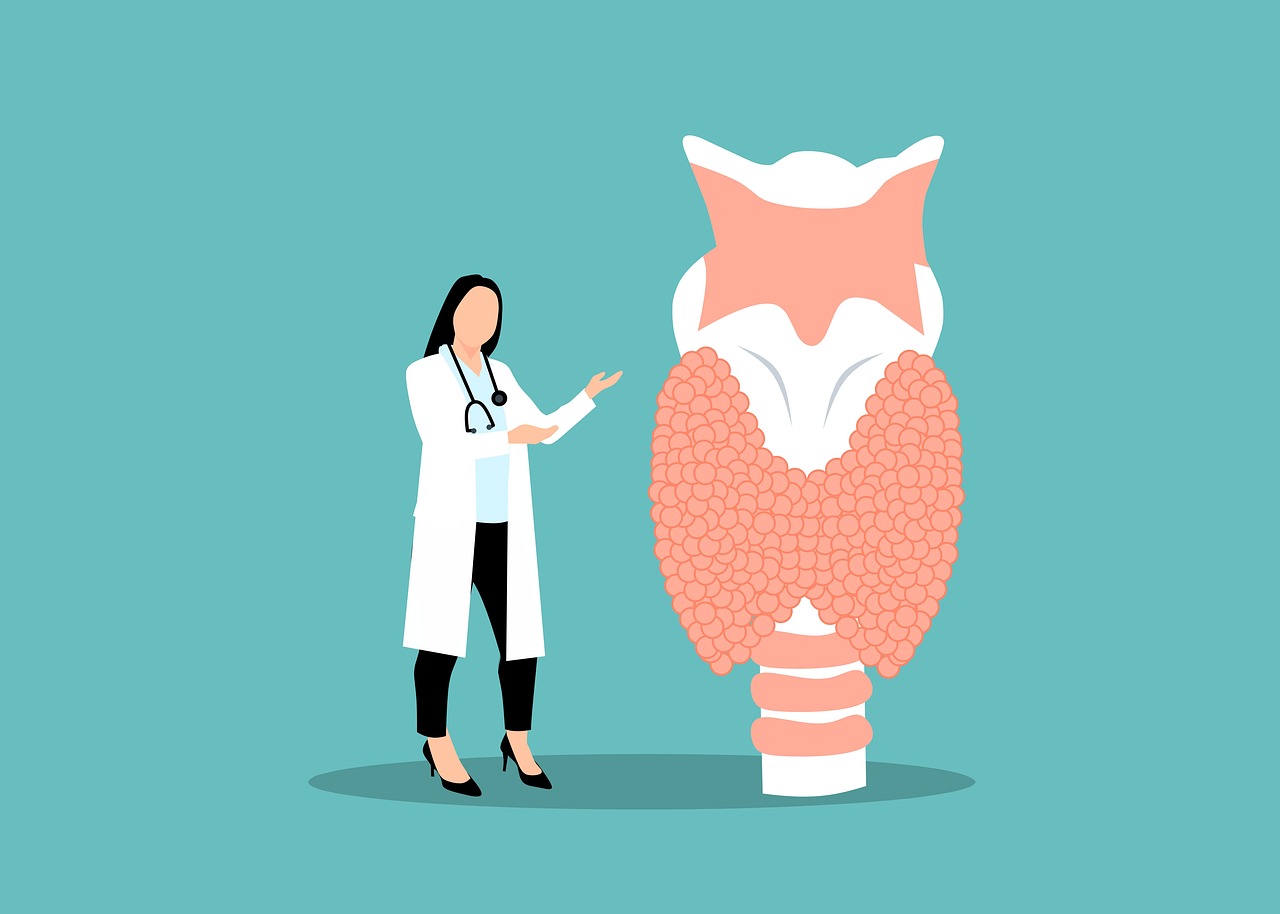

Hormonal Imbalance and Thyroid Health: What Women Should Know
Among various hormonal imbalances, thyroid disorders are particularly common among women. The thyroid gland, located in the neck, is responsible for regulating metabolism, energy production, and overall hormonal balance. When this gland is overactive or underactive, it can lead to significant health issues. Women are diagnosed with thyroid dysfunction more frequently than men, largely due to the impact of hormonal fluctuations related to the menstrual cycle, pregnancy, and menopause. Symptoms of thyroid conditions can be confusing, as they often overlap with other hormonal issues. Common symptoms include fatigue, weight changes, mood swings, and changes in menstrual patterns. For many women, recognizing these symptoms may be challenging, as they can be dismissed as typical stress or fatigue. Early diagnosis is critical for managing thyroid conditions effectively. Regular check-ups and blood tests can help detect any imbalances early on. Women should educate themselves about thyroid health and consider seeking further investigations if they exhibit signs of hormone disruption. Taking proactive steps can lead to a more balanced and healthy life.
Understanding Thyroid Hormones
The thyroid produces several hormones, the most significant being thyroxine (T4) and triiodothyronine (T3). These hormones are critical for regulating metabolism, heart rate, and body temperature. When the body produces an insufficient amount of these hormones, known as hypothyroidism, it can lead to symptoms like weight gain, lethargy, and depression. Conversely, hyperthyroidism occurs when the thyroid is overactive, leading to weight loss, anxiety, and irritability. Both conditions can significantly impact a woman’s quality of life. Diagnosing these conditions typically involves blood tests that measure levels of TSH (Thyroid-Stimulating Hormone), T4, and T3. A high TSH level usually indicates hypothyroidism, while low levels of TSH indicate hyperthyroidism. Treatment typically involves medication, lifestyle adjustments, and in some cases, surgery. Understanding how these hormones affect the body enables women to take informed steps towards managing their health. Women should maintain open communication with healthcare providers regarding hormone levels, especially during transition phases such as pregnancy and menopause.
Hormonal imbalance can also cause psychological symptoms, including mood swings, anxiety, and depression. These emotional symptoms are often overlooked in clinical settings, and many women suffer silently. Mental health is closely tied to physical health, and thyroid hormones play a critical role in mood regulation. It’s crucial to assess not only physical symptoms but also psychological well-being. Patients may benefit from a holistic treatment approach that addresses both aspects, including therapies aimed at improving mental health. Nutritional support and lifestyle changes can also play a pivotal role in hormone regulation. For instance, diets rich in iodine, selenium, and zinc have been known to support optimal thyroid function. Consulting a nutritionist can help tailor a diet that meets individual needs. Joining support groups or therapy can also aid in addressing emotional aspects of hormonal imbalance. Women should understand the importance of caring for both physical and mental health. This comprehensive approach can foster holistic wellness and lead to improved overall well-being.
Impact of Lifestyle on Thyroid Health
Diet, exercise, and lifestyle choices significantly impact thyroid health. A sedentary lifestyle can lead to weight gain and further exacerbate thyroid problems. Engaging in regular physical activity not only helps maintain a healthy weight but also improves energy levels and mood. Incorporating aerobic and strength training exercises has proven benefits for women with thyroid issues. Diet plays a pivotal role; consuming a balanced diet with whole foods can support thyroid function. Incorporating anti-inflammatory foods can be especially beneficial. Foods rich in omega-3 fatty acids, such as fish, walnuts, and flaxseed, help combat inflammation in the body. It is also crucial to avoid genetically modified organisms (GMOs) and processed sugars. Make sure to stay adequately hydrated and manage stress effectively. Chronic stress can lead to hormonal imbalance, which aggravates thyroid issues. Practicing mindfulness, yoga, or meditation can help alleviate stress. Women should be proactive about integrating heart-healthy habits into their daily lives for optimal thyroid function. Understanding the significance of lifestyle choices is critical for long-term thyroid health.
Women may also experience fluctuations in thyroid hormone levels across different life stages, particularly during menstruation, pregnancy, and menopause. Such fluctuations can lead to extreme symptoms, necessitating close monitoring by healthcare providers. In pregnancy, hypothyroidism can potentially lead to complications, necessitating careful management to ensure both maternal and fetal health. Many doctors recommend additional testing during pregnancy to account for increased demands on the thyroid. Signs of thyroid dysfunction during this time should not be ignored and must be evaluated systematically. Similarly, during menopause, hormonal changes can exacerbate existing thyroid conditions. Regular check-ups help to reevaluate thyroid function and treatment plans during these transitional phases. Women should engage with their doctors to discuss symptoms and potential adjustments in medication or lifestyle. Taking a proactive approach during life transitions can mitigate the effects of hormonal changes on thyroid health. Awareness is paramount, as many women mistake hormonal fluctuations for typical aging symptoms. Maintaining an open dialogue with healthcare providers ensures women receive the care necessary for effective hormone balance.
Common Myths about Thyroid Health
Despite increased awareness, numerous myths about thyroid health persist, causing misinformation. For instance, many believe that hypothyroidism only occurs in older women, whereas it can affect women at any age. Another common myth is thinking that weight gain due to hypothyroidism is irreversible, while effective treatment can yield significant results. Some women might also wrongly assume that they can manage thyroid conditions solely through diet and lifestyle, ignoring the need for medical intervention. It is crucial to debunk these myths to encourage women to seek medical advice when experiencing any symptoms of imbalance. Misconceptions often cause delays in treatment, leading to adverse outcomes. Understanding realistic expectations regarding thyroid health can empower women. Resources, including informative websites and support groups, can provide valuable insights and accurate information on thyroid health. Women should also share their experiences with peers to help reduce stigma surrounding hormonal health. Collective knowledge can foster a more supportive environment for others grappling with similar issues. Seeking out verified information will prove invaluable to women navigating their health journey.
In conclusion, understanding hormonal imbalances, particularly concerning thyroid health, is essential for women. By educating themselves on symptoms, risks, and effective treatment plans, women can advocate more effectively for their health. Regular assessments and understanding the link between lifestyle choices and hormonal health enable women to take control. Proactive measures, supported by adequate medical advice, are paramount to achieving optimal health. Knowledge about dietary adjustments, exercise, and mental health awareness is crucial in maintaining hormonal balance. Additionally, busting myths related to thyroid health and hormonal imbalances increases awareness and promotes proactive health management. Women are encouraged to engage with their health practitioners regularly, discussing any concerns about hormonal changes. Connecting with peers can offer emotional support during challenging times. Ultimately, understanding the intricacies of hormonal health lets women take actionable steps toward improving their quality of life. Every woman deserves to feel empowered in managing her health effectively. Do not hesitate to seek help—your well-being depends on it!