
Exercise and Vegan Pregnancy: Staying Fit Safely
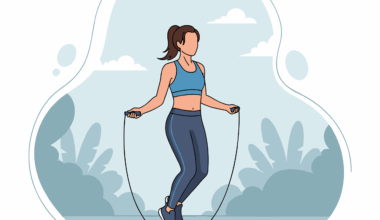
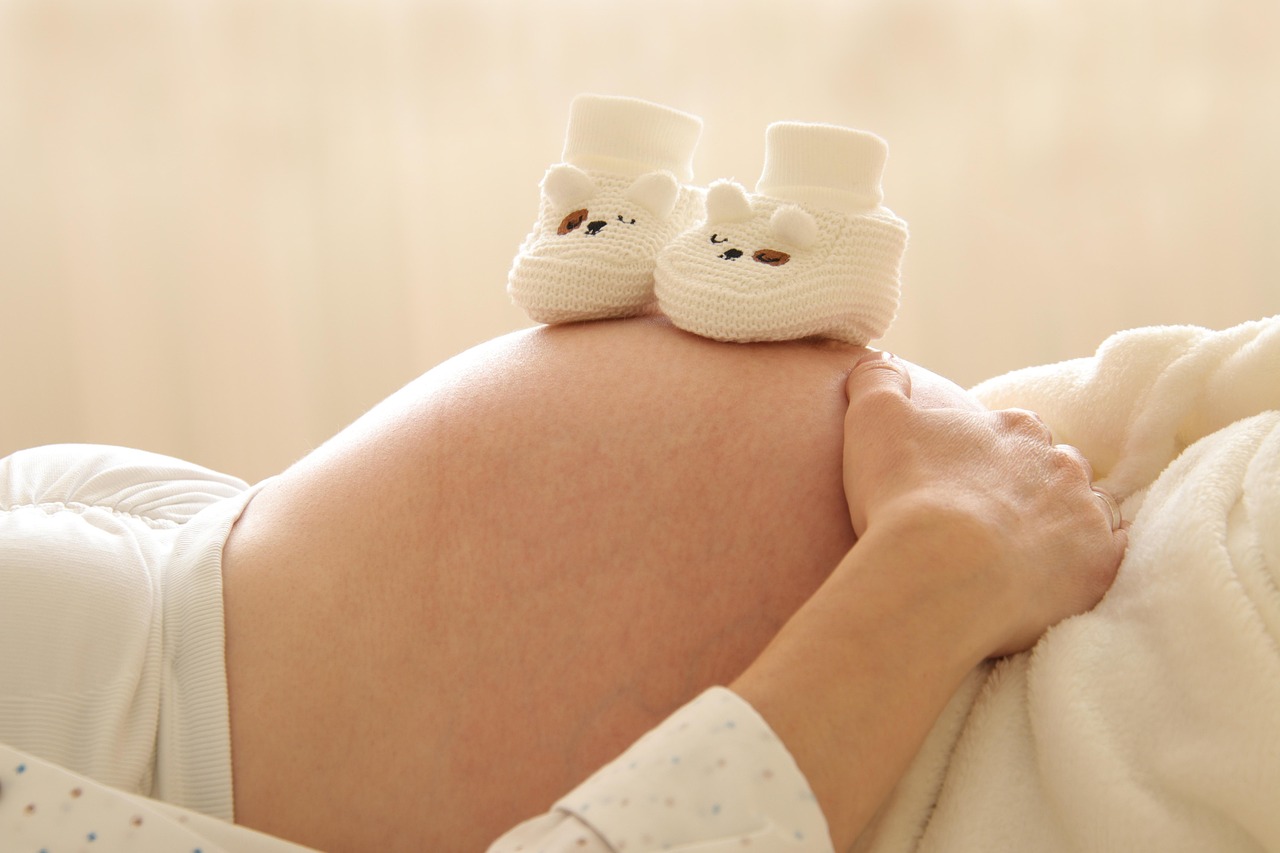
During pregnancy, adopting a vegan diet requires careful planning to ensure both mother and baby receive essential nutrients. Regular exercise during this time can offer numerous benefits but must be approached thoughtfully. Exercise helps maintain a healthy weight, improves mood, and may even ease the discomfort of pregnancy. However, it is essential to consult a healthcare provider before starting any routine. They can provide tailored advice based on individual health needs and pregnancy progression. Pregnant women should aim to incorporate a mixture of aerobic and strength-training exercises, while also listening to their bodies. Yoga and swimming are excellent options, promoting relaxation and flexibility. Additionally, it is crucial to ensure proper hydration and nutrition when exercising, especially on a vegan diet. This includes consuming sufficient calories to support both the energy demands of exercise and fetal growth. Special attention should be paid to nutrients like protein, iron, calcium, and omega-3 fatty acids. B12 supplementation may also be necessary, especially for vegans. Being informed and prepared will help ensure a healthy and active pregnancy for mothers choosing a vegan lifestyle.
Maintaining a balanced vegan diet during pregnancy is crucial for both mother and child. Pregnant women must pay attention to their protein intake, which supports fetal development. Plant-based sources of protein include legumes, nuts, seeds, and whole grains. Each food group provides unique benefits, so variety is key. Calcium is also vital, as it supports the growing baby’s bones and teeth. Good vegan sources include fortified plant milks, tofu, broccoli, and almonds. Additionally, iron is essential, especially because pregnancy increases iron requirements. Consuming foods rich in vitamin C, such as citrus fruits, can enhance the absorption of iron when paired with plant-based sources. Omega-3 fatty acids are crucial for brain development; flaxseeds and chia seeds are excellent vegan options. Rather than relying solely on processed foods, pregnant women should focus on whole, nutrient-dense meals. This helps ensure they receive a wide range of vitamins and minerals necessary for a healthy pregnancy. Consulting a registered dietitian can provide tailored meal plans to meet nutritional needs. With careful planning, a vegan diet can support a healthy pregnancy and provide all the required nutrients.
Safe Exercises for Pregnant Vegans
Choosing the right exercises during pregnancy is essential, especially for those following a vegan diet. Low-impact aerobic exercises are often recommended, as they promote cardiovascular health without putting undue stress on the body. Walking is simple and effective, making it one of the best forms of exercise during pregnancy. Swimming is another excellent choice, providing full-body exercise while easing pressure on joints. Moreover, practicing prenatal yoga can enhance flexibility and help alleviate stress and anxiety that come with pregnancy. As the pregnancy progresses, maintaining a routine that evolves with the body’s changes is necessary. Engaging in strength training can be beneficial too, focusing on light weights, resistance bands, or bodyweight exercises. It’s important to listen to your body, modifying exercises as needed to avoid discomfort or strain. Always avoid exercises that involve lying flat on your back after the first trimester, as this can restrict blood flow. Prioritize exercises that can be done alongside daily tasks, allowing for a sustainable and enjoyable routine throughout pregnancy. Overall, a mix of exercises can provide physical and mental health benefits, contributing to a positive pregnancy experience.
Hydration is especially important for pregnant women, as it directly impacts both maternal and fetal health. Staying adequately hydrated helps maintain energy levels and facilitates nutrient transport throughout the body. During exercise, consuming plenty of water is vital. Pregnant vegans should also consider electrolyte balance, especially after vigorous exercise or on particularly hot days. Natural sources of electrolytes can include coconut water, which is rich in potassium, and consuming plenty of fruits and vegetables, like bananas and leafy greens. Additionally, engaging in regular hydration during meals ensures optimal digestion and nutrient absorption. Pregnant women should listen to their thirst cues and drink throughout the day, especially if they engage in exercise. Herbal teas, particularly those deemed safe during pregnancy, can also contribute to hydration. Always consult with a healthcare provider about which beverages are suitable. It’s crucial to limit caffeine intake and avoid excessive sugary drinks, as these may negatively impact health. By prioritizing hydration, pregnant vegan women can better support their wellness and ensure their body’s needs are met, contributing to a thriving pregnancy journey.
Consulting Health Professionals
Maintaining an open dialogue with healthcare professionals is crucial for pregnant women following vegan diets. Regular check-ups are essential to monitor both maternal and fetal health. Pregnant vegans should consider discussing their diet with a registered dietitian who specializes in plant-based nutrition. Such professionals can provide specific guidance tailored to individual nutritional needs and preferences. Moreover, ensuring nutrient-dense meals is vital, as deficiencies may affect pregnancy outcomes. During consultations, nurses or obstetricians can also advise about safe exercise routines and any modifications needed as the pregnancy advances. Blood tests can help determine whether additional supplementation is necessary, especially for nutrients like iron and vitamin B12. Having a support system in place can also assist in navigating challenges during pregnancy. Joining local or online communities of vegan mothers can provide emotional support, sharing experiences and advice. Engaging with fellow women encourages healthy habits and motivates staying active. This combined approach not only promotes better health outcomes but also cultivates a positive mindset for the entire pregnancy journey.
Pacing yourself is essential while exercising during pregnancy. Understand that fatigue is common, especially during the first and third trimesters. As energy levels fluctuate, it is best to adopt a schedule that allows for rest days. Sliding in shorter workouts rather than lengthy sessions can also make it more manageable. A balanced routine should emphasize a mix of cardio, strength training, and flexibility exercises. Additionally, practicing mindfulness during workouts can further enhance the experience. Engaging in focused breathing techniques during yoga or pilates can complement physical exercises and reduce anxiety. It’s also an excellent opportunity to connect with the baby, bringing about emotional moments. If any unusual symptoms arise during or after exercising, it’s best to consult a healthcare professional immediately. Common concerns may include dizziness, shortness of breath, or sharp pains. Understanding the importance of self-care, including physical and mental health maintenance, is paramount. Utilizing various types of relaxation and exercise can contribute to a lasting sense of wellness throughout pregnancy and beyond. Striking a balance can create a nurturing environment for both mother and child.
Conclusion: Celebrating Vegan Pregnancy
Embracing a vegan diet during pregnancy opens various pathways to ensuring both maternal well-being and optimal fetal development. With thoughtful planning, pregnant vegans can enjoy a nutritious diet promoting health and vitality. Focusing on balanced meals, combining proper exercises, and staying hydrated are essential elements of successful prenatal care. As families grow and evolve, sharing culinary practices rooted in plant-based nutrition can foster a nurturing home environment. Additionally, maintaining support networks through community involvement can add psychological and emotional wellness advantages. Moms can connect with peers to share experiences, creating a sense of solidarity during this transformative time. It’s vital for pregnant vegans to prioritize self-care, both physically and mentally, allowing for a joyful pregnancy journey. Recognizing that each individual’s path will be different sparks empowerment in achieving health goals. As pregnant women celebrate their unique journeys, they will also create lifelong memories with their children. Tracking progress and celebrating small milestones can be motivational. Overall, promoting a healthy lifestyle while practicing veganism adds to a meaningful pregnancy experience. By blending nutrition, fitness, and care, mothers-to-be can pave the way for thriving families.
Integrating relaxation techniques such as meditation can foster a holistic approach, enhancing both physical well-being and mental resilience.