
Creative Uses of Ergonomic Tools Beyond the Office
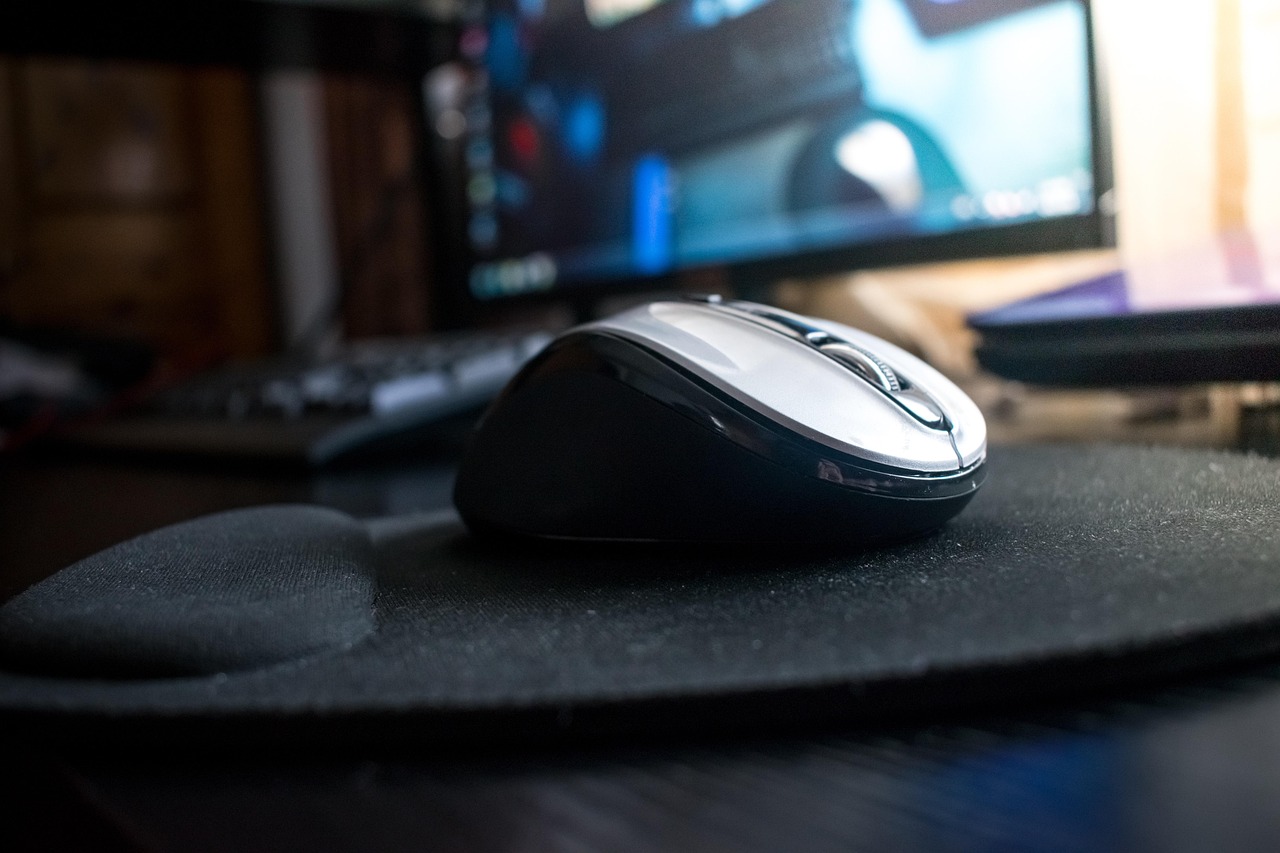
When we think about ergonomic tools, offices often come to mind. However, their benefits extend well beyond office walls. For instance, ergonomic chairs are incredible for home use, especially for those residents spending countless hours in front of a computer for various purposes such as gaming or streaming movies. These chairs can significantly reduce back pain and promote better posture, enhancing comfort and productivity. Beyond seating, ergonomic wrist supports are useful for anyone using a keyboard or mouse. Various activities like crafting or playing musical instruments can lead to repetitive strain injuries. Thus, integrating ergonomic tools into life outside work is crucial. Another exceptional use is in daily household chores. Ergonomic tools like specially designed kitchen utensils, such as peelers or cutting boards, minimize strain on the wrists and arms while cooking. When hosting gatherings, these ergonomic tools can make meal prep enjoyable and comfortable. Taking breaks with the proper use of these items not only promotes relaxation but enhances efficiency in any task being performed at home. The ultimate goal is to create a more comfortable living environment while maintaining productivity and enjoyment.
Ergonomics in Home Fitness
Another area where ergonomic tools shine is in home fitness. Many may not consider that workout equipment can be designed ergonomically, ensuring safer and more effective workouts. For instance, using an ergonomic yoga mat can prevent unnecessary strain on your joints during practice sessions. These mats offer improved grip and cushioning, vital for a successful yoga experience. Likewise, resistance bands, which can be easy on your body, can be purchased with ergonomic grips to enhance comfort. Moreover, adjustable weights can benefit users of varied sizes, allowing for modifications that support proper form. Joining online classes or workouts without sturdy, ergonomic tools may lead to injuries, deterring individuals from maintaining fitness. Balance balls are an incredible addition to any exercise routine, helping with core strength while providing additional stability. They can also double as desk chairs, promoting better posture during long hours of work or study. Setting up an ergonomic fitness program can greatly encourage consistency while enhancing physical and mental health. Encouraging the use of these tools allows individuals to explore fitness without sustaining injuries, making workouts effective and enjoyable.
Engaging in hobbies is another wonderful way ergonomic tools can be creatively utilized. Many people have hobbies that require prolonged postures or repetitive motions, making them prone to discomfort or injury. For example, painting or woodworking can strain wrists and arms without proper ergonomic setups. Using ergonomic easels or workstations can help artists maintain better posture. Adjustable height tables enable craftsmen or artists to switch between sitting and standing positions, reducing fatigue during lengthy sessions. Moreover, specialized grip tools for painting can ease the finger strain, allowing for hours of creativity without discomfort. In addition, activities like gardening often involve repetitive hand movements and awkward postures. Ergonomic gardening tools, such as lightweight trowels with cushioned grips, can alleviate stress and promote enjoyment in outdoor activities. When people engage in hobbies, ensuring comfort allows for deeper immersion and can enhance creativity. Individuals can better relax, express, and create when ergonomic principles are applied. Incorporating these tools leads to sustainable practices fostering happier, healthier hobbies and activities. Encouraging ergonomic uses can unlock an enhanced experience and greater satisfaction in these leisurely pursuits.
Ergonomic Tools in Education
Education settings are another realm where ergonomic tools play a vital role, particularly for students enduring endless hours of studying. Many schools now recognize the importance of implementing ergonomic furniture in classrooms. For example, adjustable desks allow students to alternate between sitting and standing while learning, thus preventing fatigue during lengthy sessions. Schools can significantly benefit from the use of ergonomic chairs that promote better back support, helping girls and boys maintain focus on their studies. Materials for writing, such as ergonomic pens and pencils, can improve grip comfort for young learners, which enhances handwriting quality. Online learning environments, prevalent in recent years, also benefit immensely from the right ergonomic tools. An ergonomic chair with proper lumbar support can make lengthy virtual classes more bearable and productive. Those in higher education will find that specialized keyboards or lap desks can facilitate better posture during extended study sessions. Implementing these ergonomic principles helps create a learning atmosphere that fosters productivity. Overall, assessing and improving student environments through ergonomic tools will enhance their academic experience while prioritizing their long-term health and comfort.
Home office setups are fast becoming a necessity for many remote workers and entrepreneurs. Ergonomic tools can make a significant difference in productivity and comfort during long hours spent working at a desk. Investing in an adjustable standing desk encourages movement throughout the day, allowing individuals to alternate between sitting and standing, promoting better circulation. Furthermore, ergonomic office chairs with lumbar support can reduce backache and discomfort from prolonged sitting. A proper office layout is essential; computer monitors should be at eye level to reduce neck strain. Creative workspace arrangements can encourage comfort; using monitor stands or risers can help achieve this. Additionally, footrests and wrist supports contribute to a positive workspace setup. Even portable ergonomic tools like lap desks become invaluable for those opting to work from their couches, ensuring they maintain a healthy posture while going about their tasks. Implementing these tools creates an inviting atmosphere for innovation and productivity. Remote workers can thrive when they feel good in their workspaces, so investing in ergonomic tools is crucial to long-term success. As we adapt to evolving work environments, prioritizing ergonomics becomes imperative.
Ergonomics and Traveling
Finally, ergonomic tools can significantly enhance the traveling experience. Long flights or extensive road trips can often lead to discomfort and stiffness for travelers. Therefore, investing in travel-sized ergonomic pillows and cushions can make a world of difference. An inflatable lumbar support device or neck pillow can provide essential support while ensuring comfort during long hours in transit. Choosing ergonomic luggage with wheels designed to minimize the strain of lifting can contribute to efficient travel. Rolling backpacks designed with ergonomics in mind reduce load on the back and minimize discomfort. Individuals can also choose to wear comfortable shoes or utilize insoles that provide arch support. These small but impactful tools can lessen the physical toll of travel and make experiences much more enjoyable. Similarly, portable desks designed for travelers enable individuals to work or study in airports or hotel rooms comfortably. Ergonomics maximizes relaxation and productivity on the go. Firms even design travel kits incorporating various ergonomic supports specifically targeting common travel-related discomforts. Enhancing every stage of the journey creates happier travelers, making sure they arrive at their destinations in comfort and style.
In conclusion, it is evident that ergonomic tools find innovative applications beyond traditional office settings. They are indispensable in various aspects of our daily lives, whether for hobbies, education, fitness, or travel. The key to thriving in each of these areas is adopting tools designed with comfort and health in mind. As technology improves, the range and availability of these ergonomic products expand, allowing users to enjoy increased efficiency and reduced risk of injury. This versatility leads to embracing ergonomic solutions for tasks often overlooked. The potential for pain reduction and enhanced performance in daily activities can be remarkable. Being proactive in integrating these tools into everyday life can create environments conducive for well-being. As we navigate our modern lifestyles, it’s essential to consider how ergonomics contribute positively to our overall experience. We should aim for comfort and efficiency in each task, establishing habits beneficial for our physical health. Ultimately, understanding and applying ergonomic principles fosters healthier, more enjoyable interactions with our environment. Every effort made to use better tools contributes significantly to enhancing quality of life, allowing for richer experiences across all activities.