
Best Practices for Cardiovascular Training in High Pollution Areas
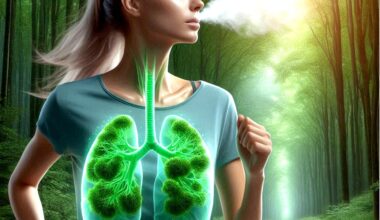
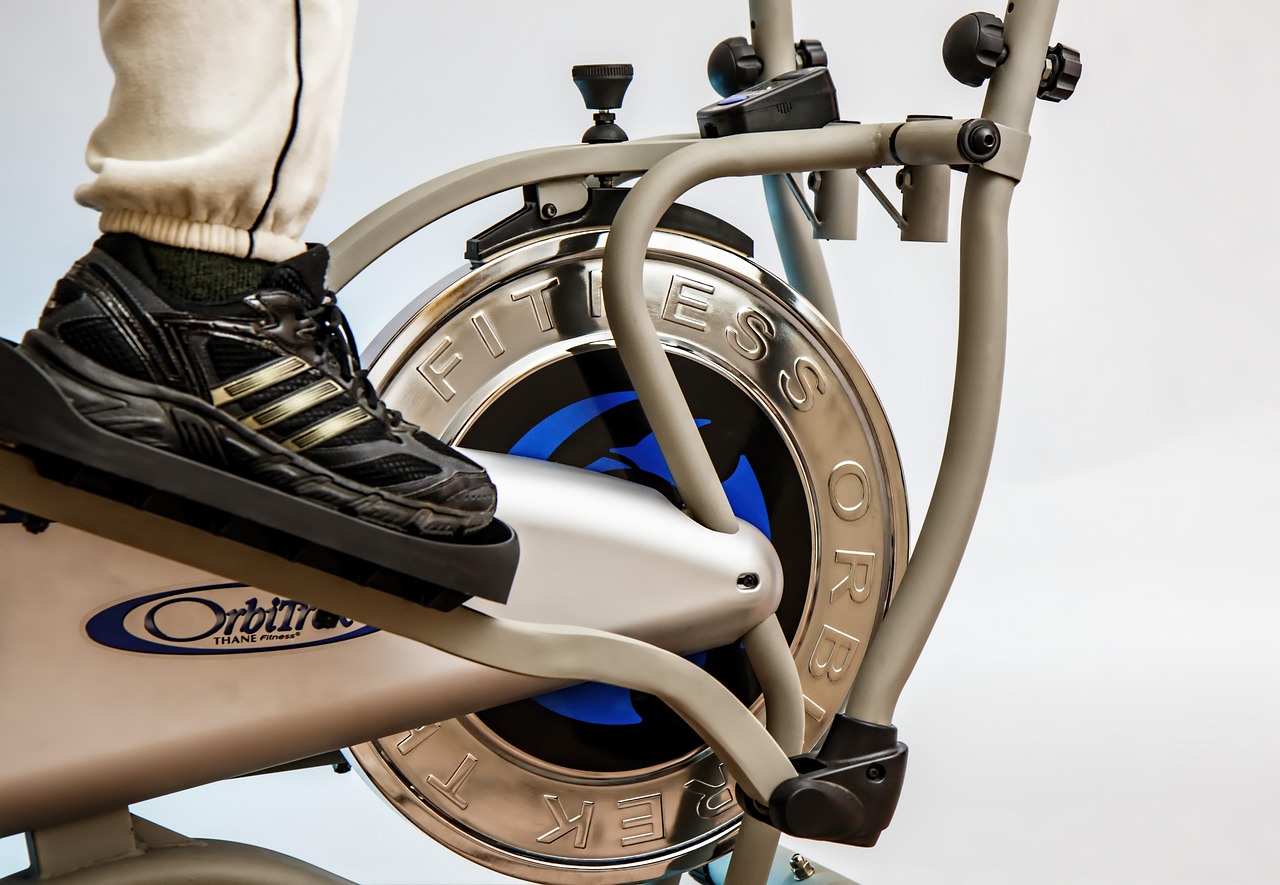
Cardiovascular training in high pollution areas poses unique challenges. The environment plays a significant role in the quality and effectiveness of workouts. First and foremost, it’s crucial to monitor air quality before exercising outdoors. Many areas have dedicated apps or websites that report air pollution levels. Pay attention to indicators such as PM2.5 and ozone levels. It’s typically advisable to avoid outdoor exercise when these are high. Instead, consider alternative indoor training options like treadmills or stationary bikes. Additionally, aim to schedule your workouts during times when pollution levels are lower, typically early mornings or late evenings. Choosing routes with less traffic can also significantly reduce exposure. Moreover, focusing on shorter, high-intensity interval training sessions can provide efficient cardiovascular benefits without prolonged exposure to pollutants. Utilizing a mask designed for filtering out harmful particles may also be beneficial during workouts. Taking these precautions ensures that your cardiovascular training is both effective and safe, maintaining overall health while reducing the adverse effects of pollution.
Adapting Your Training Regimen
Adapting your cardiovascular training regimen is essential in polluted environments. One of the best adjustments is to incorporate interval training into your sessions. Researchers have shown that brief bursts of intense exercise can yield significant cardiovascular benefits, while limiting exposure to poor air quality. These short sessions should be followed by adequate rest periods, allowing your body to recover and minimize respiratory strain. Also, consider indoor alternatives such as swimming pools or fitness centers. Indoor training spaces usually feature better air quality, enhancing workout effectiveness. If you choose to run or cycle outdoors, select routes that are away from heavy traffic and urban areas. Furthermore, choosing locations like parks or green spaces can improve your exercise experience. Always start your workout with a warm-up, gradually increasing your heart rate. This approach allows your body to adjust to heightened physical activity while minimizing stress on your respiratory system. Most importantly, listen to your body; if you feel breathlessness or discomfort, consider stopping or switching to a lower-intensity form of training. Safety and health should always come first during cardiovascular training.
Proper hydration and nutrition are key components of cardiovascular training, especially in polluted environments. The air quality can have a detrimental effect on hydration levels and overall performance. Aim to drink water before, during, and after your workouts to maintain peak performance. Additionally, consider incorporating foods abundant in antioxidants into your diet. Antioxidants play a significant role in combating oxidative stress caused by pollution. Foods rich in vitamin C, such as citrus fruits, or those high in omega-3 fatty acids, such as fish, can be incredibly beneficial. These nutrients support cardiovascular health and can potentially enhance your recovery times. Consuming a well-balanced meal or snack rich in complex carbohydrates before training can fuel your session effectively. Furthermore, be mindful of caffeine intake, as it can increase heart rate and exacerbate dehydration. Every individual is unique, and finding what works best for you is crucial. Consulting with a nutritionist can provide personalized advice tailored to your training demands in high pollution zones. With the right hydration and nutrition strategies, you can optimize your cardiovascular training and mitigate the negative effects of the environment.
Choosing the Right Gear
When training in high pollution areas, selecting the right gear is critical. Proper footwear is of utmost importance. Choose shoes that provide adequate support and cushioning, as they help absorb impact during workouts. Running shoes, for example, should be lightweight yet durable, enabling better performance without compromising foot health. Additionally, consider wearing garments made of breathable fabrics that wick away moisture. These materials ensure you remain comfortable even in humid conditions. Another essential item is wearing protective eyewear. Sunglasses can shield your eyes from pollution as well as harmful UV rays. Look for eyewear with polarized lenses for maximum protection. A face mask designed for exercise can filter out harmful pollutants, allowing you to breathe cleaner air during workouts. Ensure that the mask is comfortable and designed to prevent overheating. Finally, if you train in the evenings, consider wearing reflective clothing to increase visibility in low-light conditions. With the right gear, you can create a conducive environment for effective training while minimizing exposure to detrimental pollution.
Monitoring personal health metrics is vital for anyone engaging in cardiovascular training in polluted areas. Utilizing fitness trackers or smartwatches makes this process seamless and efficient. These devices can monitor your heart rate, distance covered, and calorie expenditure. By observing these metrics, you can gain valuable insights into your physical state during workouts. Tracking your respiratory rate is another essential metric to assess how pollution affects your breathing during exercise. If you notice unusual patterns, it’s a signal to readjust your training or seek fresh air alternatives. Additionally, recording how you feel post-workout may provide hints about your body’s response to various conditions. Keeping a training diary can help you identify personal trends and adjust your routine accordingly. Consider also consulting health professionals if you have underlying respiratory conditions, as they can provide tailored advice based on your unique situation. Your health should always be prioritized over fitness goals. By staying aware of your body’s signals and responses during exercises, you can ensure a safe and effective cardiovascular training experience.
Importance of Rest and Recovery
Rest and recovery are often overlooked aspects of cardiovascular training, particularly in polluted environments. The body requires adequate rest to recuperate from the strain of workouts and to adapt to training stimulus. Insufficient recovery can heighten the effects of pollution-related stress, potentially leading to health issues. It’s recommended to include at least one or two rest days per week in your training schedule. These days allow the body to repair muscle fibers and replenish energy stores. Gentle workouts, such as yoga or light walking, can be beneficial during rest days. These activities promote blood circulation without overly stressing the body. Additionally, getting sufficient sleep is equally crucial. Quality sleep aids in recovery and boosts immune system function, which can combat pollution’s adverse effects. Listening to your body is essential; if you feel fatigued or unwell, consider adjusting your workout intensity or frequency. Remember that consistency in training is significant, but so is the need for proper recovery. Taking the time to rest will ultimately improve your longevity and performance in cardiovascular activities.
In conclusion, maintaining a robust cardiovascular training regimen in high pollution areas requires careful planning and adaptation. By implementing the best practices discussed, individuals can effectively manage their fitness without compromising their health. Monitoring air quality should be at the forefront of decision-making regarding workout locations and times. Adaptations such as interval training, appropriate hydration, nutrition, and gear selection can significantly impact workout effectiveness. Prioritizing rest and recovery is essential for long-term success; overtraining can become counterproductive in polluted environments. Additionally, monitoring health metrics helps inform choices and adjustments tailored to individual responses. Finally, staying informed about pollution levels and being proactive ensures safe training conditions. Always remember, everyone’s body reacts differently to environmental factors, so what works for one might not work for another. Being flexible in training approaches and strategies while remaining attentive to one’s personal health will lead to a sustainable, effective cardiovascular fitness routine that adapts to the challenges of high pollution areas.