
Augmented Reality Applications in Cardiovascular Training Workouts
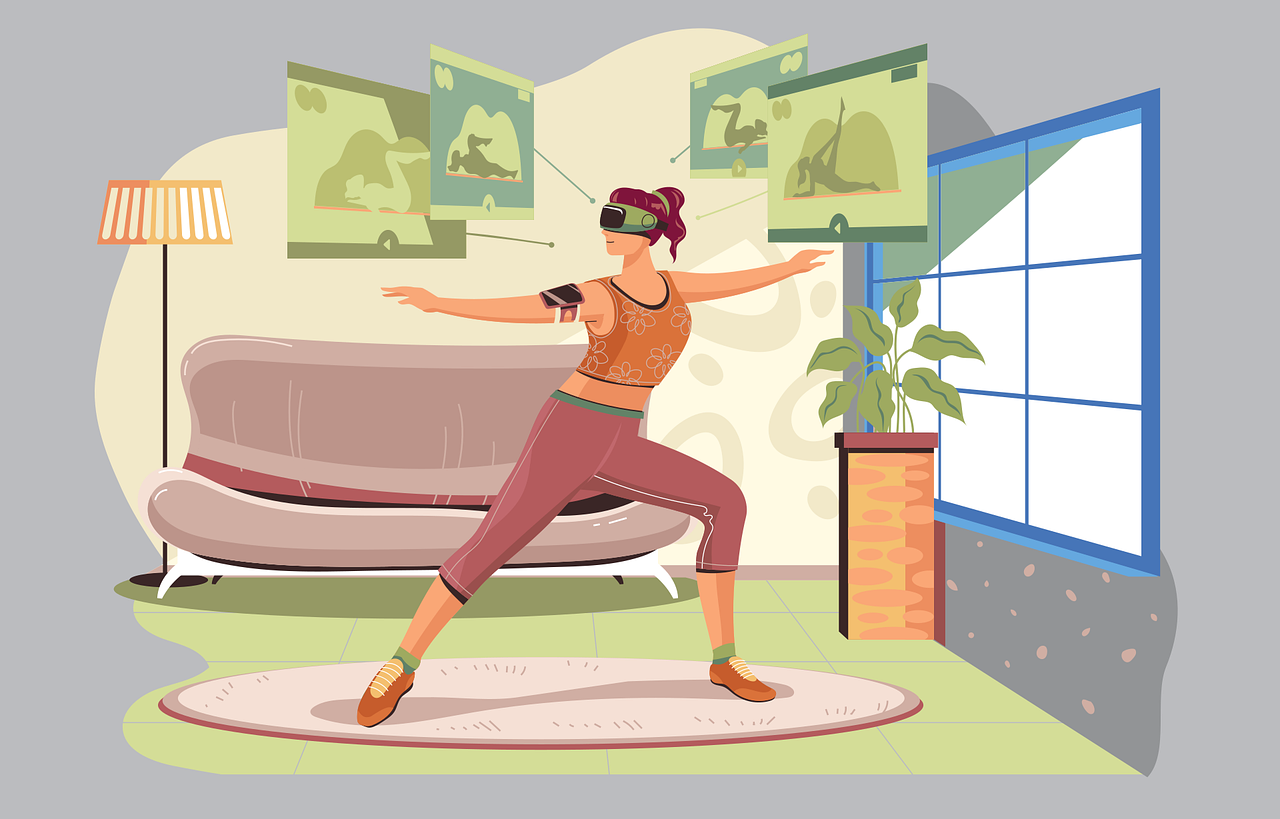
In recent years, augmented reality (AR) has emerged as a revolutionary tool in various fields, including cardiovascular training. This innovative technology enhances the workout experience by overlaying digital information on real-world environments, enabling users to visualize their performance in real time. One significant benefit of AR is the ability to provide instant feedback on metrics such as heart rate, workout intensity, and duration. By having this information readily accessible, individuals can make informed decisions about their training regimen and adjust their efforts accordingly. Furthermore, AR promotes engagement and motivation, as users can participate in immersive workouts that feel more like a game than a traditional exercise routine. This can be particularly advantageous for those who struggle with motivation or feel intimidated by standard workout environments. Some fitness platforms now integrate AR features into their apps, allowing users to set specific goals and visually track their progress during cardiovascular sessions. Overall, AR technology in cardiovascular training presents a unique way to improve fitness outcomes and promotes long-term adherence to exercise habits.
The use of augmented reality in cardiovascular training workouts also opens up new avenues for community engagement and social interaction. Many AR fitness applications enable users to connect with friends or fellow fitness enthusiasts virtually. This feature fosters a sense of camaraderie and friendly competition, motivating users to push their limits and achieve their fitness goals. Users can join virtual classes, participate in group challenges, or even share their performance data on social media platforms. The interactive elements of AR make workouts more enjoyable and less monotonous, as users can explore varying settings, receive virtual coaching, and adapt routines according to personal preferences. Additionally, community-oriented features empower users to seek support and share accomplishments, enhancing their overall fitness journey. Augmented reality also makes cardiovascular training more accessible to people with limited mobility or those living in remote areas. With just a smartphone or AR glasses, individuals can access tailored workouts designed to meet their specific needs, breaking down barriers often associated with traditional gym settings. This inclusivity positions AR technology as a vital component in democratizing health and fitness for everyone.
The Role of Data Analytics in AR Fitness Applications
Data analytics plays a crucial role in optimizing the effectiveness of augmented reality applications in cardiovascular training workouts. These applications leverage user data to personalize workout experiences, which can significantly enhance results. By analyzing metrics such as heart rate, pace, and calories burned, AR fitness apps can recommend customized exercise plans suited to individual goals and fitness levels. Data-driven insights enable users to see their progress over time, reinforcing positive behaviors and encouraging adherence to personalized routines. Additionally, the gamification of fitness through AR can foster a competitive edge. Users can participate in virtual races, earn badges, and track rankings against their friends or other participants worldwide. This competitive environment can further stimulate user engagement and motivate consistent effort. Fitness professionals are increasingly utilizing AR technology to create tailored training scenarios that adapt in real time based on user performance. Such dynamic adjustments make workouts not only more effective but also more enjoyable. As data analytics techniques evolve, they will continue to play a vital role in shaping the future of AR in cardiovascular fitness, ensuring users remain engaged and committed to reaching their health objectives.
Moreover, the integration of augmented reality within cardiovascular training offers tremendous potential for rehabilitation and recovery processes. For individuals recovering from heart surgery or managing chronic conditions, AR can provide guided workouts and educational resources tailored to their unique needs. By using interactive features, users can follow step-by-step demonstrations to ensure they perform exercises safely and effectively. These AR applications serve to demystify the rehabilitation process while offering reassurance and support for users navigating their recovery journey. Furthermore, by combining AR with telehealth services, healthcare professionals can remotely monitor patients’ progress, suggest modifications as needed, and offer virtual coaching sessions. This feature fosters a collaborative approach to health management, creating a safety net for patients who may feel isolated during recovery. The ability to engage with healthcare providers through immersive technology can also provide an invaluable source of motivation. As AR continues to evolve, its application in rehabilitation and recovery will undoubtedly transform how cardiovascular conditions are managed, ultimately enhancing overall patient quality of life.
Future Prospects of AR in Cardiovascular Training
The future of augmented reality in cardiovascular training workouts is poised for unprecedented growth and innovation. As technology advances, we can expect more immersive experiences that incorporate machine learning and artificial intelligence to further personalize training. These advancements will likely lead to more adaptive AR systems capable of predicting user needs and providing tailored workouts based on real-time feedback. Additionally, as the technology becomes more affordable and accessible, we could see augmented reality fitness solutions entering mainstream fitness culture. Virtual reality gyms and AR-enabled fitness wearables may become commonplace, blending real-world activities with digital enhancements. This evolution has the potential to reshape how we view fitness, making workouts more interactive, enjoyable, and engaging. Moreover, innovative partnerships between fitness companies, healthcare providers, and technology developers will undoubtedly drive the AR industry forward. By collaborating, these sectors can address wider health issues and ensure that cardiovascular training remains a top priority for global health initiatives. Ultimately, the proliferation of augmented reality in cardiovascular training signifies a transformative shift in how we approach fitness and wellness.
In conclusion, the emergence of augmented reality applications in cardiovascular training is revolutionizing the way individuals engage with fitness. By bridging the gap between technology and exercise, AR is making workouts more interactive, personalized, and enjoyable. Programs that provide real-time data feedback and social interaction offer a unique experience for users, allowing them to connect with others while reaching their fitness goals. Furthermore, data-driven insights enhance the effectiveness of training regimens and promote sustainable habits. Rehabilitation and recovery processes have also benefited from AR applications, providing accessible and guided workouts tailored to individual needs. As we look towards the future, the potential for augmented reality to reshape the cardiovascular fitness landscape is immense. The integration of AI and machine learning into AR systems will only amplify their ability to adapt to user requirements. With a greater focus on community engagement, inclusivity, and personalized experiences, the possibility of creating healthier lifestyles through augmented reality remains limitless. The continued evolution of technology will ensure that cardiovascular training remains a central element of health and fitness for years to come.
Ultimately, the intersection of augmented reality and cardiovascular training heralds a new era where fitness is not just a chore but a captivating journey. By leveraging immersive technologies, individuals are empowered to take control of their health in innovative ways. The future of fitness appears bright, with AR bringing fresh challenges that are suited to diverse fitness levels. With the global fitness industry embracing such advanced technologies, the stage is set for widespread adoption and incredible advancements. Research continues to illustrate the effectiveness of AR in engaging users and driving adherence, providing concrete evidence that these tools work. The integration of AR into everyday workouts serves to keep the environment dynamic and lively, ensuring that participants remain focused and motivated. Given the increasing emphasis on health and wellness, augmented reality’s applications will likely expand into various fitness categories, providing individuals with tailored solutions. The efficiencies gained through technology will not only improve performance but also ensure that cardiovascular training is more inclusive and accessible. With continuous innovation, we can look forward to a future rich in possibilities for augmented reality’s role in enhancing cardiovascular training workouts.
The landscape of cardiovascular training is undeniably evolving with the advent of augmented reality applications. While numerous fitness technologies exist, AR stands out by merging digital innovation with physical activities. By offering fun and engaging workouts, AR applications have successfully captured the interest of a diverse demographic, from seasoned athletes to beginners. Engaging with AR workouts inspires users to push beyond their limits, enhancing their overall performance. As technology continues to progress, integration with additional fitness technologies is anticipated to create even more extraordinary experiences. The fusion of fitness wearables and AR can track biological data and provide tailored feedback, creating an advanced training platform. As more users embrace AR, we can expect the development of networks and online communities focused on mutual health and fitness. This shift will further encourage users to lead balanced, active lifestyles. It is evident that the applications of AR in cardiovascular training have only just begun. Innovations will reshape future workout experiences and reinforce the importance of physical well-being in everyday life.