
Zinc’s Role in Immune Function and Pre-Workout Readiness
When discussing pre-workout nutrition, zinc often does not get the attention it deserves. This essential trace mineral plays a crucial role in supporting the immune system, especially for those who engage in regular intense exercise. Without sufficient zinc levels, your body’s ability to fend off illness can diminish, potentially leading to longer recovery times and decreased performance. Athletes should consider incorporating zinc-rich foods like oysters, beef, pumpkin seeds, and lentils into their diets. These foods provide not only zinc but also other vital nutrients that support overall health and wellbeing. Furthermore, a deficiency in zinc can lead to impaired muscle function, which is detrimental when looking to push your limits during workouts. Therefore, it’s essential to ensure adequate zinc intake as part of your pre-workout and overall nutrition strategy. Pay attention to your body’s signals regarding fatigue or illness, as these may indicate that your immunity is under strain due to insufficient zinc levels. Balancing nutrient intake effectively through food choices can lead to better workout readiness and athletic performance overall.
In addition to its role in immune function, zinc is critical for recovery after intense workouts. When your body undergoes physical exertion, it experiences oxidative stress, leading to inflammation and delayed onset muscle soreness (DOMS). Zinc plays a part in the body’s antioxidant defense system, thus helping to mitigate this oxidative damage. Adequate levels of zinc can assist in reducing inflammation and promoting quicker recovery. This is particularly beneficial for athletes who train frequently and need to be prepared for continuous performance. Sports nutritionists often recommend supplementing with zinc if dietary intake is insufficient, especially for those engaged in rigorous training regimens. By ensuring your pre-workout meals include zinc-rich foods or supplements, you can foster a more robust immune response and facilitate better recovery post-exercise. Furthermore, maintaining optimal zinc levels can improve overall energy metabolism, which is crucial as the workout intensifies. Regular checks on your nutrient levels could help in adjusting your diet effectively. Fostering the right habits around meal timing, particularly pre-workout, can greatly enhance your training outcomes.
The Synergy of Nutrition and Performance
Nutrition plays an essential role not just in fueling workouts but also in aiding recovery and immune health. Zinc synergizes with other nutrients, such as vitamins C and E, which are also recognized for their immune-boosting properties. It’s essential to craft a well-rounded dietary plan that includes an ample supply of these nutrients. Doing so will provide a robust buffer against the stresses of intense training. Foods rich in vitamin C, like oranges and green leafy vegetables, when combined with zinc-rich options, create a power-packed nutrition strategy. Additionally, a diet void of these crucial nutrients may lead to compromised immune function, leading to a higher likelihood of illness. Especially for those who train in colder months, it can be vital to pay attention to dietary choices. This nutrition synergy not only fortifies the immune system but also enhances performance output in athletes. Incorporating additional nutrient-dense foods into your meals can help ensure that you are supplementing your diet appropriately and also facilitating muscle recovery at the same time. Focusing on nutrition is key for athletes.
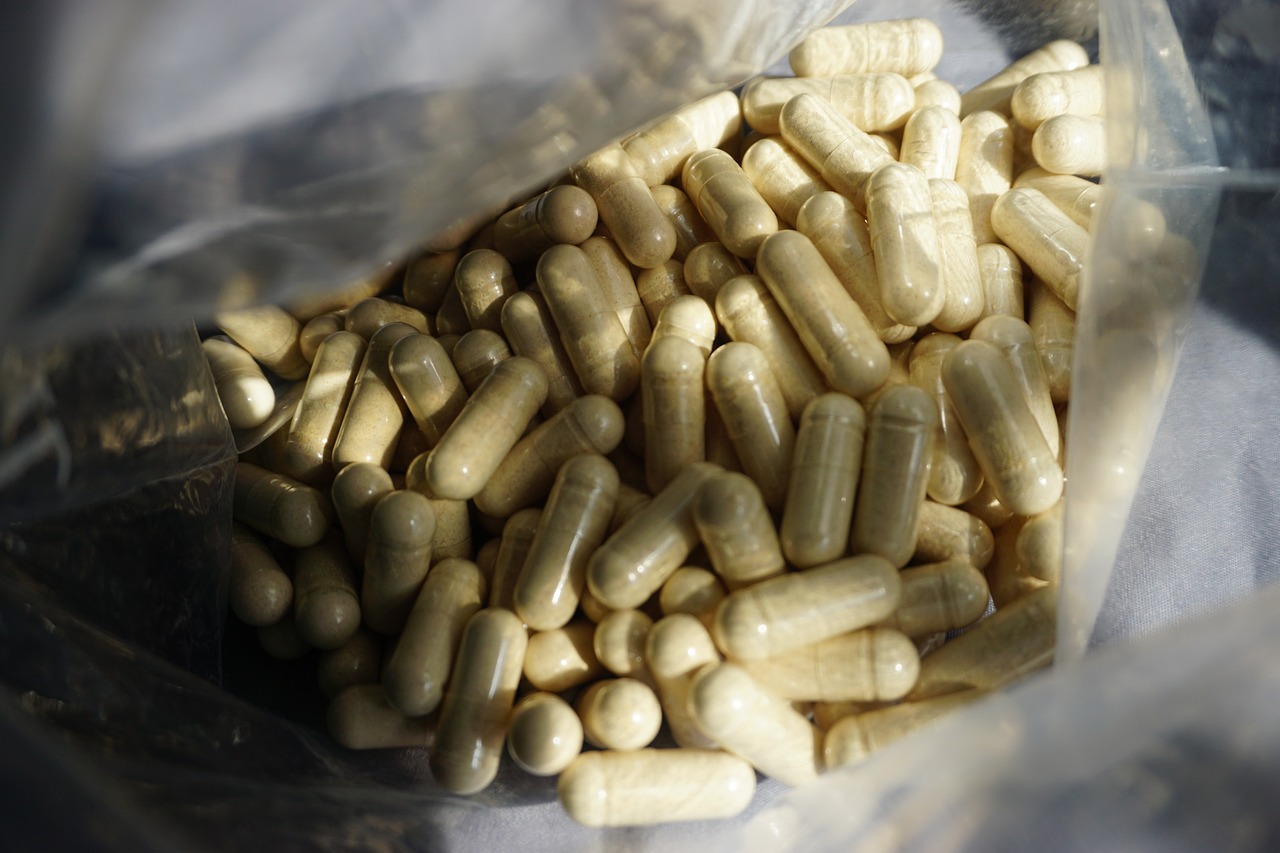
For those considering zinc supplementation, it’s essential to choose the right form and dosage. Zinc comes in several forms, including zinc oxide, zinc citrate, and zinc picolinate. Each of these forms offers varying degrees of bioavailability, meaning how well your body can absorb the mineral. Zinc picolinate is often regarded as one of the most effective forms, but it’s best to consult with healthcare professionals before beginning any new supplementation regimen. The recommended daily allowance for adults ranges from 8 mg for women to 11 mg for men, highlighting the need to align your intake with these figures. It’s important to ensure not to surpass the upper intake level of 40 mg, as excessive zinc can lead to adverse effects rather than benefits. Balancing your zinc intake through both diet and supplements contributes to improved performance and immune function. Doing so elevates your overall health, reducing the chances of falling ill while pursuing your fitness goals. This balance is crucial as it fortifies the immune system while ensuring your body is primed for maximum output during workouts.
Timing Your Nutritional Intake
Timing is a critical aspect of pre-workout nutrition, especially when including vital nutrients such as zinc. Ideally, consuming a meal that contains zinc approximately 1-2 hours before a workout maximizes the mineral’s benefits. This allows the body to digest and utilize the nutrients during the physical activity. Foods like whole grains paired with lean proteins are excellent options for a pre-workout meal. Additionally, consider combining zinc with carbohydrates to enhance energy levels during workouts. Furthermore, managing meal portions is just as important as nutrient choices. Eating too large portions may lead to discomfort or sluggishness when it comes time to exercise. Understanding your body and how it reacts to certain foods plays a role in achieving optimal workout performance. Observing the timing of nutrient intake can lead to more energy during training, promoting more effective workouts overall. Elements like hydration should not be overlooked, either, as water intake also supports bodily functions. In tandem with proper timing, hydration should be part of your diet plan and play a significant role in maximizing pre-workout effectiveness.
A common question among athletes is whether zinc can improve performance directly. While there are no clear-cut findings that suggest zinc itself enhances performance metrics, its indirect benefits are well-documented. Improved immune function reduces downtime from illness, allowing athletes to train consistently without interruption. Additionally, enhanced recovery from workouts can lead to better performance over time. Individuals should focus on effective pre-workout nutrition as a holistic approach, rather than relying solely on one mineral for results. While maintaining sufficient levels of zinc is essential, diversifying your nutrient intake should be a priority. Foods rich in omega-3 fatty acids, antioxidants, and other essential vitamins should complement your zinc intake. An overall balanced eating pattern will yield more significant benefits than singling out any nutrient as a performance enhancer. Consistent focus on overall health, combined with appropriate training, is crucial for sustained athletic performance. Engaging in a variety of nutrient-rich foods can additionally boost overall energy levels. Consequently, athletes will find they experience fewer injuries and can focus on improving their physical capabilities.
Conclusion on Zinc and Nutrition
In conclusion, zinc plays a significant role in pre-workout nutrition, particularly concerning immune health and recovery. Athletes should prioritize zinc intake, ensuring it becomes a staple in their pre-workout meals to boost performance. Beyond performance enhancement, focusing on zinc also nurtures the immune system for long-term health. More than just surviving the workout, athletes must ensure they thrive in their training regimes. Consequently, fostering good nutritional habits not only gives the body necessary support but can elevate overall performance and wellbeing. Incorporating foods that are rich in zinc can lead to improved overall physical health. As we have seen, food choices and timing are fundamental components of athletic success. Avoid overlooking zinc’s pivotal role in your nutrition plan. Recovery, performance, and immune health should be balanced holistically to maximize potential in athletics. Ultimately, consider creating a lifestyle that embraces well-rounded nutrition, including the necessary vitamins and minerals. The holistic approach will support athletes in reaching their fitness aspirations while preventing illness, allowing them to train effectively for longer periods.
By systematically implementing zinc-rich foods as part of a well-balanced pre-workout meal strategy, you can greatly enhance your overall experience in fitness and exercise. The inclusion of zinc alongside other essential nutrients creates a pathway for improved performance, robustness in immune health, and stabilization in recovery periods. Athletes who understand the importance of nutrition can thus build endurance and develop strength more effectively. Next time you prepare for an exercise routine, keep the importance of zinc in mind and adjust your meals accordingly. An athlete’s success hinges not just on the workout performed, but also on how well they support their bodies through nutrition. Relationships between macro and micronutrients create synergy contributing to optimum athletic output. Engage in meal planning that highlights zinc’s benefits, and you’ll likely observe a remarkable impact on your training sessions. This effort is well worth the time invested, as the body’s performance during workouts truly reflects how well nourished it is. In essence, zinc and other nutrients work together to promote optimal function during workouts, showcasing the necessity of pre-workout nutrition for athletes aiming for peak performance.