
Video Tutorial: Proper High Jump Technique for Beginners
The high jump is an exciting and challenging event that showcases not only speed but also the athlete’s ability to leap over a crossbar. If you’re a beginner looking to improve your high jump skills, following proper techniques is essential. Before you approach the bar, remember to warm up. Simple stretches and light jogging can significantly enhance your performance. In our video tutorial, we break down the essential steps and techniques required for a successful jump. Understanding the approach to the jump is critical; a consistent rhythm helps you build speed and momentum. As you gain confidence, you can practice your foot placement and technique during practice sessions. Foot positioning, along with the knee drive, plays a key role in your ability to clear the bar effectively. Each practice session should include a focus on form to prevent injury. By following these pointers and regularly watching our tutorials, you will be better equipped to face the high jump with confidence and skill, ensuring your performances improve as you develop your technique.
Understanding the Approach Phase
One crucial aspect of high jump technique is the approach phase. Properly executing this phase can improve your jump height and overall performance. The approach should be executed rhythmically, ensuring a gradual increase in speed as you near the jump. Focus on your run-up, aiming for the correct number of steps before the take-off. Most beginners benefit from around eight to twelve steps; experiment to find your best distance. During your approach, strive to maintain a straight body alignment, as this will help you generate more upward force. You can practice this segment by utilizing markers to define your run-up distance. Additionally, timing your steps accurately is essential; take off at the right moment for a powerful jump. You will see marked improvements by concentrating on this aspect during practice sessions. It’s equally important to remain relaxed but focused in your mindset as you approach the jump. Each aspect, from running speed to timing, plays an invaluable role in how well you perform in competition. With focused practice, you can significantly enhance your approach technique.
Another important technique is the take-off itself. The take-off involves driving your knee upward while pushing off the ground with your dominant leg. This motion is essential for gaining height efficiently; the better your take-off, the higher you will soar over the bar. Be sure to use the correct foot; most athletes find that their stronger leg should be used during take-off. During practice, focus on the positioning of your free leg, ensuring it drives upwards quickly. This upward motion counteracts gravity and adds more lift to your jump. Maintaining a strong core also supports better take-off stability, contributing to a successful jump. As you take off, remember to lean your body slightly backward; this position aids in clearing the bar successfully. Video tutorials can provide visual guidance for correct technique, making it easier to understand your body mechanics. Practice makes perfect, so dedicate time regularly to perfect your take-off. Each successful jump will build your confidence and contribute noticeably to your high jump performances over time.
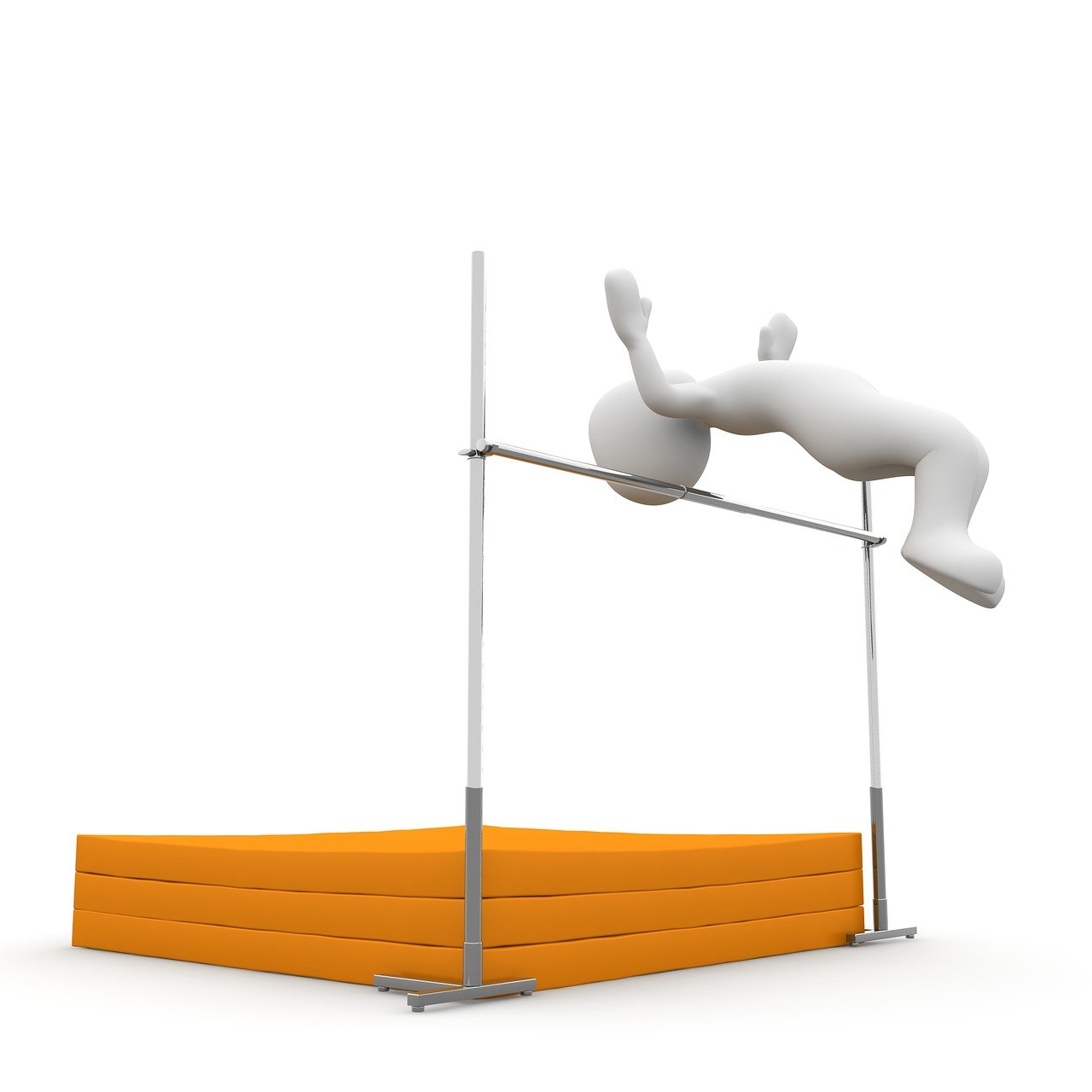
Additionally, the clearance phase is a significant component of high jump technique. Once you have left the ground, focus on your body position in the air. As you jump, you will angle your body to help elevate your center of gravity. Arching your back as you clear the bar is essential; this technique allows you to push your hips upwards while pulling your legs towards your chest. Practicing this phase can help enhance your comfort during competitions. Use drills that focus on jumping over objects of varying heights to simulate actual jumping situations. Incorporating flexibility exercises into your routine can also help improve your body’s movement in the air. Video tutorials often demonstrate proper clearance techniques, providing visual cues to guide effective performance. Another effective drill involves using a high jump mat to practice these techniques safely. As you advance, you will become accustomed to managing both body positioning and breathing during the jump, leading to improved high jump results. Commit to considerable practice in this phase, as it can greatly impact your overall jump height.
Landing technique is equally pivotal to overall high jump performance. Ensuring a proper landing can prevent injury and aid in the athlete’s confidence during the event. The landing area should always provide adequate cushioning; a typical high jump mat offers the necessary support for a safe landing. As you come down, remember to extend your body and control your fall. Practicing landing from various jump heights can also solidify this technique, strengthening this aspect of your performance. Focus on the position of your arms and legs; these appendages significantly affect your landing balance. During your fall, aim to land on your back to disperse the impact, rather than falling directly on your feet. This technique can effectively reduce the stress on your legs and lower back, minimizing potential injuries. Regular practice and drills specifically targeting landings will improve your confidence and technique. Watching our high jump video tutorials can provide additional insights into landing best practices. Adopting these methods will ensure you become a well-rounded athlete, improving your overall performance drastically.
The Importance of Regular Practice
Consistent practice is vital for mastering high jump techniques efficiently. Set aside dedicated practice times each week to hone your jumping skills effectively. During these sessions, focus on different aspects of your jump; allocate specific days for approach, take-off, clearance, and landing drills. Regularly scheduling exercise routines that blend strength training and flexibility will also aid in improving your jumping capability. It’s simply not enough to practice occasionally; the repetition will help reinforce muscle memory, ensuring you develop the skills necessary for high performance. Keeping track of your progress can also provide motivation. Many athletes find it beneficial to maintain a journal outlining jump heights, techniques practiced, and areas for improvement. Additionally, seeking feedback from coaches and peers can provide unique insights into your performance. Watching video tutorials can further enhance your technique without needing constant in-person guidance. Ultimately, integrating these routines into your training will build your confidence and help maintain steady progress. Dedicating time to high jump practice always proves to be valuable in developing better jump capabilities.
Lastly, don’t underestimate the role of mental focus during high jumps. High-level performance demands not only physical skill but also mental preparation. Developing a strong mental game can enhance your focus and confidence leading up to competitions. Visualization techniques are a great start; spending time imagining successful jumps and proper techniques can create positive mental connections. As a beginner, manage your thoughts by concentrating on specific jump aspects rather than feeling overwhelmed. Meditation and mindfulness practices can also help improve your concentration during jumps, resulting in better performance. Engaging sports psychologists for professional advice may also provide valuable insights. Merging physical practices with mental training creates a holistic approach to competition readiness. Balancing endurance, physical strength, and mental clarity will transform how you approach the event. Focused breathing can also reduce anxiety before the jump, promoting a consistent performance. By following this comprehensive approach, you will develop not only your physical skills but also the mental resilience necessary for high jump success.